


Chimpanzee Trekking in Mahale vs Gombe: Which Experience Should You Choose?
SEO title: Mahale vs Gombe Chimpanzee Trekking in Tanzania
Plan around your priorities02
Understand real logistics03
Compare options clearly04
Travel with confidence
Tanzania is famous for the Serengeti, Ngorongoro Crater and Mount Kilimanjaro, but one of the country's most powerful wildlife experiences lies far to the west. Along the eastern shore of Lake Tanganyika, wild chimpanzees live in forested mountains where visitors can follow experienced trackers and observe their social lives at respectful distance.
The two best-known destinations are Gombe National Park and Mahale Mountains National Park. Both protect chimpanzees. Both require boat travel and walking. Both are remote compared with the northern safari circuit. Yet the journeys feel very different.
Gombe is compact, historically significant and closely connected with the pioneering research of Dr Jane Goodall. It is normally approached through Kigoma and can fit into a relatively focused western Tanzania extension.
Mahale is larger, more remote and more expedition-like. Forested mountains rise directly from Lake Tanganyika, with beaches, boat journeys and longer stays creating a rare combination of primate trekking and wilderness retreat.
The right choice depends on much more than which park has chimpanzees. You need to compare access, time, budget, accommodation, fitness, trekking style and the wider journey you want to create. This guide explains those differences so you can choose with realistic expectations.
Mahale vs Gombe at a Glance
| Factor | Gombe National Park | Mahale Mountains National Park |
|---|---|---|
| Overall character | Compact, historic and focused | Remote, immersive and expedition-like |
| Main association | Jane Goodall's long-running chimpanzee research legacy | Mountain rainforest, Lake Tanganyika and habituated chimpanzee communities |
| Typical access | Flight or other transport to Kigoma, then boat to the park | Scheduled or charter flight and boat transfer, or a longer journey through Kigoma |
| Recommended trip style | Shorter dedicated extension with at least two trekking opportunities | Longer stay allowing trekking, lake time and weather flexibility |
| Terrain | Steep forested ridges, valleys and streams in a compact area | Mountain forest with potentially longer, humid and demanding routes |
| Accommodation range | Basic park accommodation and selected lodge-style options | Remote camps and lodges, often sold as more complete fly-in packages |
| Beyond chimpanzees | Research history, waterfalls, viewpoints, lake shore and other primates | Beaches, boat trips, kayaking, forest walks, birding and mountain scenery |
| Best suited to | Travellers prioritising history, a focused trip and access through Kigoma | Travellers prioritising seclusion, scenery and a deeper wilderness stay |
| Main planning challenge | Coordinating Kigoma flights, boats and limited trekking slots | Higher cost, remote access and limited operating schedules |
Neither park is simply the “better” destination. Gombe may be the better choice for a traveller with fewer days or a strong interest in primate research history. Mahale may be better for someone who wants the entire destination - forest, mountains, beach and lake - to feel like the centrepiece of the trip.
What Chimpanzee Trekking Is Really Like
Chimpanzee trekking is an active wildlife experience. Rangers and trackers use recent movements, calls, feeding signs and knowledge of the forest to locate a habituated community. Visitors then follow trails through humid, uneven terrain until the chimpanzees are found.
The trek may be relatively short when a community is feeding near the lower forest, or physically demanding when chimpanzees have moved higher into the hills. Distance cannot be promised in advance because chimpanzees are wild, mobile animals.
Once they are located and the ranger confirms that observation can begin, the experience changes from searching to watching. You may observe grooming, feeding, resting, playing, travelling, vocalising, tool use or interactions between adults and young chimpanzees. At other times, the forest is dense and visibility is brief or partial.
The value is not a staged close encounter. It is the privilege of seeing a complex wild society on its own terms.
Why Habituation Matters
Habituation is the gradual process through which a wild chimpanzee community becomes accustomed to the non-threatening presence of researchers, rangers and carefully managed visitors. It does not make the chimpanzees tame. They remain powerful wild animals with their own relationships, territories and responses.
The process allows observation without the animals immediately fleeing, but it also creates responsibility. Human illnesses can be dangerous to chimpanzees, and careless behaviour can cause stress or alter natural activity. This is why health screening, masks, small groups, minimum distance and strict time limits are central to responsible trekking.
Gombe National Park: Compact, Historic and Intense
Gombe occupies a narrow, mountainous strip beside Lake Tanganyika north of Kigoma. It is one of Tanzania's smallest national parks, but its global importance is much larger than its physical area.
Dr Jane Goodall began her landmark chimpanzee research at Gombe in 1960. The work transformed scientific understanding of chimpanzee behaviour and helped reshape the way people think about the relationship between humans and other animals. For many visitors, walking in this landscape carries a strong sense of history.
What Makes Gombe Special?
Gombe offers an unusually concentrated combination of:
- Habituated chimpanzee communities and long-term research history
- Steep forest trails rising quickly from the lakeshore
- Streams, valleys and waterfalls
- Views over Lake Tanganyika
- Other primates, including baboons, red-tailed monkeys and colobus monkeys
- Forest birds, butterflies and smaller wildlife
- A direct connection with conservation science
The park has no public road network connecting it to Kigoma. Arrival by boat is part of the experience. The shoreline approach reveals forested ridges falling directly into the lake, immediately separating Gombe from a conventional vehicle safari.
How Do You Reach Gombe?
Most itineraries first bring travellers to Kigoma in western Tanzania. Depending on the season and current schedules, this may involve a domestic flight from Dar es Salaam or another arranged route. From Kigoma, travellers continue by boat to the park.
The quality, speed and privacy of the boat transfer can vary. A private speedboat is faster and more flexible than a shared or public option, but costs more. Weather and lake conditions may affect departure and journey time.
Because domestic connections can be limited, Gombe should not be planned around a tight international departure. We prefer to create a buffer in Kigoma or Dar es Salaam and verify the operating schedule before confirming the rest of the journey.
Explore our three-day Gombe chimpanzee trekking itinerary for a focused example, or our seven-day Gombe experience for a more comfortable pace.
How Difficult Is Trekking in Gombe?
Do not mistake a small park for an easy walk. Gombe's terrain rises steeply from the lake, and trails can involve roots, rocks, mud, humidity and sharp elevation changes. The actual difficulty depends on where the chimpanzees have travelled that day.
A visitor with moderate fitness may cope well, especially with preparation and a measured pace. Someone with knee, hip, balance or cardiovascular limitations should discuss them honestly before booking. Trekking poles may be helpful where permitted and appropriate, but good footwear and realistic conditioning matter more.
What Else Can You Do in Gombe?
When time and conditions allow, a Gombe stay may include:
- A guided visit towards Kakombe Waterfall
- A hike to viewpoints associated with the park's research history
- Forest walks and primate observation
- Birding along the forest edge and lake shore
- Time to watch fishing boats and changing light over Lake Tanganyika
- Cultural or historical experiences in Kigoma and Ujiji before or after the park
These activities help justify a stay of more than one rushed night, particularly because one trekking attempt should never be treated as a guaranteed perfect sighting.
Mahale Mountains National Park: Remote, Scenic and Immersive
Mahale lies farther south along Lake Tanganyika and protects a much larger landscape of mountains, rainforest, streams and shoreline. Its setting is one of the most visually distinctive in Tanzania: densely forested slopes rise behind pale beaches and clear blue water.
Chimpanzee trekking is the central wildlife activity, but Mahale's appeal extends beyond the trek. The remoteness, absence of normal road-based safari routines and rhythm of boat, forest and beach create a destination experience rather than a single excursion.
What Makes Mahale Special?
Mahale is especially compelling for travellers who value:
- A deep sense of remoteness and limited visitor numbers
- Habituated chimpanzee communities observed with experienced trackers
- Forested mountain scenery beside Lake Tanganyika
- Beach time between treks
- Boat trips, kayaking or other lodge-led lake activities where available
- Birding, butterflies and other primates
- A longer stay in one wilderness rather than a rapid multi-park circuit
The famous M Group has been the focus of decades of research and habituation. Yet the encounter remains unpredictable. Chimpanzees may be near the shore one day and higher in the mountains another.
How Do You Reach Mahale?
Access is a defining part of Mahale. Some travellers use scheduled or charter flights to an airstrip serving the park area, followed by a boat transfer to their lodge or camp. Other itineraries route through Kigoma and continue by boat, creating a longer lake journey.
The best option depends on operating days, budget, travel month and accommodation. Many remote properties work around specific flight rotations and fixed arrival patterns. A trip that looks possible on a map may require an extra night because the flight and boat do not connect every day.
This is why Mahale is usually planned as a multi-night package rather than a quick add-on. The remote journey becomes worthwhile when there is enough time for repeated trekking opportunities, recovery and lake activities.
See our five-day Mahale Mountains chimpanzee safari or the longer nine-day Mahale chimpanzee experience .
How Difficult Is Trekking in Mahale?
Mahale can be demanding. The environment is mountainous, warm and humid, with natural forest surfaces that may become slippery after rain. The chimpanzees' location determines how far and how high the group must travel.
Travellers should prepare with regular walking, hill training and time on uneven trails. Fitness will not control where the chimpanzees go, but it will make the search safer and more enjoyable.
The longer stay typical of Mahale provides an advantage: you are not relying entirely on one morning. It also allows the body to recover between strenuous treks.
What Else Can You Do in Mahale?
Depending on the property, season and conditions, a Mahale stay may include:
- Boat trips along the Lake Tanganyika shoreline
- Kayaking or paddling in suitable areas
- Swimming only where local guidance confirms it is appropriate
- Beach relaxation
- Guided forest walks and birding
- Fishing experiences where permitted and arranged
- Longer mountain hikes for fit travellers
- Sunset views across the lake
These activities give Mahale a slow, retreat-like quality. Even without chimpanzees in view, the destination remains compelling.
The Trekking Rules in Both Parks
Tanzania National Parks manages chimpanzee viewing to protect both the animals and visitors. The current rules should always be reconfirmed before travel because procedures can be reviewed.
Core requirements include:
- Trek only with authorized guides and rangers
- Maintain at least the instructed distance, currently 10 metres under the published guidelines
- Wear a mask correctly when chimpanzees are located
- Do not trek if you have an infectious illness or flu-like symptoms
- Keep voices low and remain with the group
- Do not eat, drink, smoke or spit near chimpanzees
- Do not imitate calls, point, make sudden movements or challenge the animals with direct behaviour
- Never use flash photography
- Follow the guide if chimpanzees move closer
- Do not leave bags or personal belongings where chimpanzees can reach them
- Carry out all litter
Published national guidelines require participants to be older than 12 years. They also restrict group size and the number of daily visiting groups, with different limits in Gombe and Mahale. Once chimpanzees are located, the normal maximum observation time is one hour.
These limits are not inconveniences. Chimpanzees share much of our genetic makeup and can be vulnerable to human respiratory infections. Responsible distance and limited exposure help preserve the communities that make tourism possible.
Health: When You Should Not Trek
You may be refused participation if you show symptoms of an infectious illness. This can be deeply disappointing after a long journey, but protecting the chimpanzees must take priority.
Tell your guide immediately if you develop:
- Fever
- Persistent cough
- Sore throat
- Runny nose or flu-like symptoms
- Vomiting or diarrhoea
- Another potentially infectious condition
Do not hide symptoms to protect your trekking plan. A common human illness can have serious consequences for a chimpanzee community.
Before travel, consult a qualified medical or travel-health professional about vaccinations, malaria risk, personal medication and fitness for humid forest trekking. Comprehensive travel insurance should cover remote-area medical care, evacuation, missed connections and trip interruption.
Direct Comparison: Which Park Wins Each Category?
| Traveller priority | Better fit | Reason |
|---|---|---|
| Jane Goodall and research history | Gombe | The landscape is inseparable from the research story that began in 1960 |
| Most remote wilderness atmosphere | Mahale | The larger mountain-and-lake setting creates a deeper expedition feeling |
| Shorter western Tanzania extension | Gombe | Access through Kigoma can support a more compact programme |
| Beach and lake retreat alongside trekking | Mahale | Lake activities and lodge stays are a major part of the experience |
| Lower overall trip budget | Often Gombe | A shorter stay and simpler accommodation may reduce cost, though transport choices matter |
| High-comfort remote lodge experience | Often Mahale | Several itineraries are built around premium, multi-night remote packages |
| Historical and educational focus | Gombe | Research heritage can be combined with Kigoma and Ujiji |
| Landscape photography | Mahale | Mountains, forest and broad lakeshore scenes create exceptional visual variety |
| Travellers with very limited time | Gombe, cautiously | It can fit more easily, but weather and transport buffers are still essential |
| Slow travel and digital disconnection | Mahale | A longer remote stay rewards travellers who do not want to rush |
Which Park Offers Better Chimpanzee Sightings?
There is no honest universal answer. Both parks protect habituated chimpanzee communities and can provide extraordinary observation. The quality of a particular trek depends on factors that cannot be controlled:
- Where the chimpanzees travelled overnight
- Seasonal food availability
- The terrain between the group and the chimpanzees
- Whether the community is resting, feeding or moving
- Forest density and visibility
- Rain, heat and trail conditions
- The observer's patience and physical ability
Claims of guaranteed sightings or guaranteed close encounters should be treated cautiously. The better strategy is to allow multiple trekking opportunities. Two or three available mornings give you more resilience than a single tightly scheduled attempt.
Best Time for Mahale and Gombe
Both parks can be visited across much of the year, but conditions change the character of the trip.
Drier Months
From roughly June through October, trails are generally drier and trekking may be more comfortable. Chimpanzee movements can sometimes bring communities closer to lower areas as seasonal food and water patterns change. This is also a popular travel period, so flights, rooms and trekking places may be limited.
Greener Months
Wetter months bring lush forest, active streams, butterflies, birds and dramatic skies. Trails can be muddy and more physically challenging. Lake weather and boat travel may also require flexibility.
December to February
This period can offer another useful travel window, although short rains, heat and local conditions still vary. Exact access and accommodation operating dates need confirmation.
The “best” time depends on whether your priority is trail comfort, photography, birding, lower visitor numbers, accommodation availability or connection with another Tanzania itinerary. Weather patterns are not perfectly predictable, so an extra day remains more valuable than selecting a supposedly perfect date.
Accommodation: Basic Focus or Remote Retreat?
Staying in Gombe
Gombe can support a relatively simple, activity-led trip. Park bandas, guesthouse-style options and selected lodges or camps may be available depending on the season and current operation. Travellers should clarify whether the accommodation has private bathrooms, reliable power, charging, hot water, full-board meals and boat transfers included.
The experience can be comfortable, but its main purpose is access to the forest and the research landscape rather than a broad luxury-resort programme.
Staying in Mahale
Mahale is often associated with remote tented camps and lodges that combine accommodation, meals, guiding, lake transport and activities. The isolation and complex supply chain raise the cost, but they can also create a highly polished, secluded stay.
“Luxury” in Mahale should be understood in context. The real luxury is space, scenery, expert guiding and access to a remote ecosystem. Internet, power and service rhythms may still reflect the realities of wilderness logistics.
Cost: Why Mahale Is Usually More Expensive
Mahale commonly costs more because of:
- Scheduled or charter air access
- Boat transfers and remote fuel logistics
- Limited room inventory
- Longer minimum stays or package structures
- Imported food, equipment and supplies
- Specialist guiding and a high staff-to-guest ratio
Gombe can be more accessible to a traveller controlling costs, particularly with simpler accommodation and a focused schedule. However, private boats, domestic flights, extra buffer nights and individual travel can still make it a significant investment.
Your quote should identify:
- Domestic flights or ground connections
- Airport and hotel transfers
- Boat type and whether it is private or shared
- Park entry and chimpanzee trekking charges
- Ranger or guide fees
- Accommodation and meal plan
- Drinks and optional lake activities
- Extra trekking days
- Taxes
- Cancellation terms for flights, weather or illness
We use current park tariffs and operator rates for the proposed dates rather than publishing a fixed price that may quickly become inaccurate.
Photography in Mahale and Gombe
Chimpanzee photography is technically challenging. Forest light can be dim and uneven, subjects may move quickly, and branches can interrupt focus.
Useful principles include:
- Use a camera with reliable performance at higher ISO settings
- Choose a versatile mid-range telephoto rather than carrying excessive equipment
- Use faster shutter speeds for movement where light allows
- Turn off flash before entering the viewing area
- Silence electronic sounds where possible
- Protect equipment from humidity and sudden rain
- Carry spare batteries and memory cards in a secure, light bag
- Photograph behaviour and relationships, not only faces
- Include forest context rather than seeking only tight portraits
Do not block trails, separate from the group or move ahead of the guide for a photograph. A safe, ethical encounter is always more important than the image.
What to Pack for Chimpanzee Trekking
Your daypack should be light enough to carry comfortably on steep terrain. Recommended items include:
- Worn-in hiking shoes or boots with good grip
- Lightweight long trousers
- Long-sleeved, breathable shirt in a neutral colour
- Rain jacket or compact poncho
- Small reusable water bottle or hydration system
- Sun protection for exposed lake sections
- Insect repellent appropriate for your needs
- Personal medication
- Dry bag or waterproof camera protection
- Spare socks
- Compact binoculars
- A walking pole if recommended for your route
- A mask that fits securely, plus spares if requested
Avoid strong perfume. Pack luggage with domestic aircraft limitations in mind; soft-sided bags are usually more practical than hard suitcases on light-aircraft and boat journeys.
Gombe for Families and Older Travellers
Chimpanzee trekking is not suitable for young children because the official minimum-age rule must be respected. Families with eligible teenagers should consider whether each participant can walk quietly, follow instructions and cope with steep humid terrain.
Gombe's shorter potential itinerary can appeal to families, but its slopes remain demanding. A non-trekking parent and younger child would need a realistic alternative programme, and childcare should never be assumed without confirmation.
Older travellers should be assessed by ability, not age alone. A fit traveller in their sixties or seventies may manage well, while a younger person with poor balance or no hill training may struggle. Discuss recent hiking experience, joint health and pace before booking.
Mahale for Honeymoons, Couples and Slow Travellers
Mahale can be exceptional for couples because it combines a shared adventure with time to recover on the lake shore. The contrast between a demanding forest trek and a quiet afternoon on the beach gives the stay emotional range.
It is particularly well suited to:
- Honeymoons seeking something less conventional than a safari-and-beach itinerary
- Anniversary or milestone journeys
- Wildlife travellers who value privacy
- Photographers wanting forest and landscape variety
- Repeat safari visitors looking beyond the northern circuit
- Travellers willing to spend several nights in one place
It is less suitable for anyone trying to see many parks in very few days or seeking predictable urban-style connectivity.
Combining Chimpanzee Trekking with a Tanzania Safari
Gombe and a Northern Safari
A traveller can connect a northern wildlife safari with flights through Dar es Salaam or another workable domestic routing, then continue to Kigoma and Gombe. The schedule needs buffers because western connections do not operate with the frequency of major international routes.
Mahale and Katavi
Mahale and Katavi form one of Tanzania's most distinctive remote combinations. Katavi provides vehicle-based savanna and floodplain wildlife, while Mahale adds forest trekking and Lake Tanganyika. Flight rotations and lodge operating seasons determine whether the pairing is practical on specific dates.
Learn more about Katavi National Park and Mahale Mountains National Park .
Chimpanzees and Zanzibar
A western Tanzania expedition can end with Zanzibar, but the routing may require an overnight in Dar es Salaam. Avoid building a same-day chain of boat, domestic flight and international connection without protection against delay.
Chimpanzees After Kilimanjaro
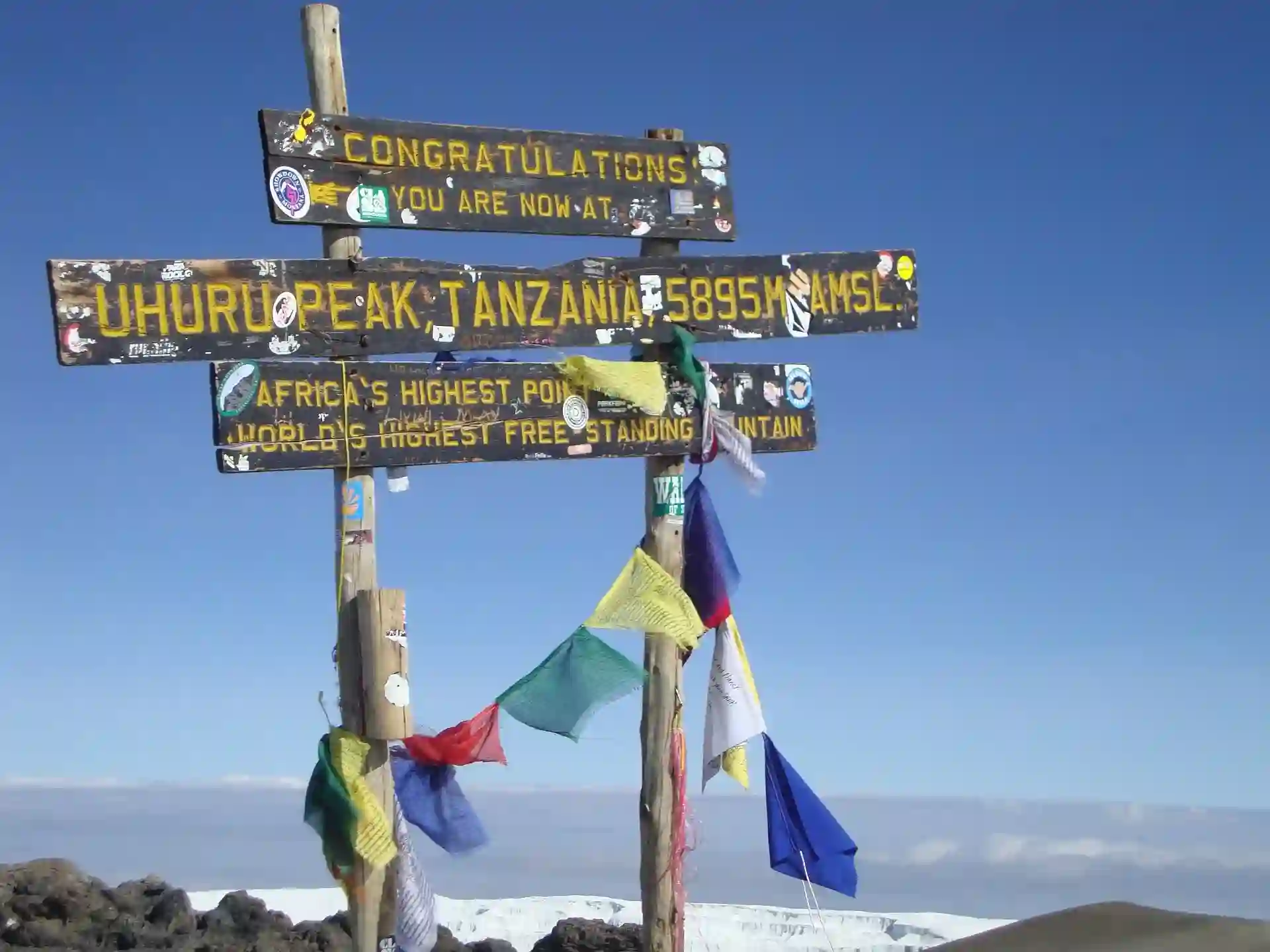
Gombe or Mahale can create a remarkable contrast after climbing Kilimanjaro: from alpine terrain to tropical forest and lake shore. Allow enough recovery time, especially if the chimpanzee trek will involve steep climbing soon after the mountain.
Sample Gombe Itinerary Framework
Five-Day Gombe and Kigoma Journey
- Day 1: Arrive in Kigoma, transfer, briefing and historical context
- Day 2: Boat to Gombe, settle in and forest orientation
- Day 3: Chimpanzee trek and optional waterfall or lakeshore activity
- Day 4: Second trekking opportunity, then return towards Kigoma as scheduled
- Day 5: Buffer and onward flight
This structure is more resilient than trying to compress every transfer and trek into three days.
Sample Mahale Itinerary Framework
Six-Day Mahale Wilderness Stay
- Day 1: Fly towards Mahale, boat transfer and arrival briefing
- Day 2: First chimpanzee trek and lakeside recovery
- Day 3: Second trek or forest activity, depending on tracking information
- Day 4: Additional trekking opportunity, boat trip or kayaking where available
- Day 5: Flexible weather and activity day
- Day 6: Boat and flight departure according to the operating schedule
The flexible day is not wasted time. It protects the journey against weather, difficult chimpanzee movements and physical fatigue.
Common Planning Mistakes
Booking Only One Trek
One morning may produce an extraordinary encounter, but it can also involve a long search or limited visibility. Multiple opportunities reduce pressure and improve the overall experience.
Treating Western Tanzania Like the Northern Circuit
Flights, boats, rooms and supplies operate on a different rhythm. Remote logistics require flexibility and careful sequencing.
Ignoring Fitness
Chimpanzee trekking is not a gentle zoo walk. Train on hills and uneven surfaces, particularly for Mahale and Gombe's steeper routes.
Choosing by Price Alone
A cheaper boat or shortened stay may reduce comfort, increase transfer time or remove the buffer that makes the trip successful. Compare the entire package.
Hiding Illness
Protecting chimpanzees is more important than completing a trek. Report infectious symptoms honestly.
Assuming Luxury Removes Wilderness Conditions
A beautiful remote lodge cannot control rain, lake wind, chimpanzee movement or forest terrain. Comfort supports the expedition; it does not domesticate it.
Connecting Too Tightly to an International Flight
Always build a margin after remote boat and air travel. A protected final night is part of responsible planning.
Questions to Ask Before Booking
1
How many chimpanzee trekking opportunities are included?
2
Which current flight and boat schedule supports the itinerary?
3
Is the boat private, shared or public, and how long is the expected journey?
4
Which park and trekking charges are included?
5
What are the current age, health and group-size rules?
6
What happens if I am ill and cannot trek?
7
What fitness level and terrain should I expect?
8
Is a porter or additional assistance available where permitted?
9
What is the accommodation standard and power arrangement?
10
Which activities are included beyond chimpanzee trekking?
11
What luggage limits apply to the domestic flight?
12
Where is the buffer before my international departure?
So, Should You Choose Mahale or Gombe?
Choose Gombe if you want a focused chimpanzee experience, are deeply interested in Jane Goodall's research legacy, prefer to route through Kigoma or have fewer days available. Its compact scale does not make the trekking easy, but it can make the overall expedition shorter and more accessible.
Choose Mahale if you want the destination itself to be a major chapter of your Tanzania journey. It rewards a larger budget and more time with seclusion, mountain forest, beaches, lake activities and a powerful sense of remoteness.
Choose both only if you have enough time and a specific interest in primates, research or western Tanzania. Visiting both in a rushed itinerary can turn a meaningful journey into a sequence of difficult transfers.
For many travellers, the honest decision is between Gombe's history and focus and Mahale's depth and atmosphere.
How Tanzania Inside Safari Plans Western Tanzania
Western Tanzania requires detailed local coordination. At Tanzania Inside Safari, we plan the journey around real flight rotations, boat transfers, park rules, accommodation operating periods and the traveller's physical ability.
Our approach includes:
- Comparing Gombe and Mahale according to your time, interests and budget
- Checking current domestic flight schedules before fixing dates
- Arranging private or shared boat transfers clearly in the proposal
- Including multiple trekking opportunities where the itinerary allows
- Confirming current park charges and chimpanzee rules
- Creating buffer nights around remote transport
- Matching accommodation to your preferred comfort level
- Integrating Katavi, the northern circuit, Kilimanjaro or Zanzibar logically
- Explaining luggage limits, health responsibilities and trail conditions before arrival
- Providing one point of coordination throughout the Tanzania journey
We do not sell chimpanzee trekking as a guaranteed photograph. We design a journey that respects the animals, gives you a realistic opportunity to observe them and makes the surrounding forest, lake and people part of the experience.
Plan Your Mahale or Gombe Chimpanzee Journey
Tell us how many days you have, your preferred comfort level, recent hiking experience and whether chimpanzee trekking will be a standalone journey or part of a wider Tanzania safari.
Explore our primate trekking experiences , Gombe National Park guide and Mahale Mountains National Park guide .
Then use our trip-planning form so our local team can recommend the right route.
Start planning a western Tanzania journey that brings you closer to the forest, the lake and one of our nearest living relatives.
Contact Tanzania Inside Safari
Planning note: park conditions, flight schedules, lodge operations, road access and wildlife movement can change. Confirm the final details that apply to your travel dates before booking.