



How Many Days Do You Need for a Tanzania Safari?
Learn how many days to allow for a Tanzania safari based on the parks, season, travel pace, family needs, migration plans and Zanzibar extensions.
Plan around your priorities02
Understand real logistics03
Compare options clearly04
Travel with confidence
For most first-time visitors, seven to nine calendar days in Tanzania is the best starting point for a northern-circuit safari. Once arrival and departure are counted, that usually provides about five to seven active wildlife days - enough time for Tarangire, the Serengeti and Ngorongoro without turning the journey into a race.
That is a recommendation, not a rule. A focused three- or four-day safari can be worthwhile when time is limited. A migration journey, family holiday, photographic safari, southern-circuit expedition or safari-and-Zanzibar combination normally benefits from more time.
The right duration depends less on how many park names you can fit into the itinerary and more on how much meaningful time you will have in each landscape.
Itinerary examples and website details in this guide were checked on 7 October 2026. Flight schedules, road conditions, accommodation availability and park operations can change. Your final route should be designed around your exact dates.
The Short Answer
| Total trip length | What it can realistically provide |
|---|---|
| 3-4 days | One or two accessible parks, or a highly focused fly-in experience |
| 5-6 days | A compact northern safari, usually with faster pacing and fewer nights in each area |
| 7-9 days | The best range for most first-time northern-circuit travellers |
| 10-12 days | A slower safari, a seasonal migration focus, family pacing or deeper photography |
| Total trip length | What it can realistically provide |
|---|---|
| 12-14 days | A balanced safari-and-Zanzibar holiday |
| 14+ days | Multiple circuits, remote western parks, Kilimanjaro combinations or a very unhurried journey |
The table counts the full trip, including arrival and departure. Always ask how many active safari days are inside the advertised duration.
Count Nights and Wildlife Days, Not Just the Headline
A “7-day safari” may mean six nights from arrival to departure. If Day 1 is an airport transfer and Day 7 is the flight home, there are five main touring days between them.
Those arrival and departure days are not wasted. An arrival night gives you time to recover, meet the team and handle delayed luggage without sacrificing the safari. A final night near the airport reduces the risk of missing an international flight after a long drive or weather disruption.
However, they should be counted honestly. When comparing itineraries, identify:
- Total calendar days
- Total nights in Tanzania
- Full and partial game-drive days
- Transfer-only or flight days
- Number of nights in each wildlife area
- Arrival and departure arrangements
An eight-day itinerary with six well-planned wildlife days can offer more than a ten-day itinerary filled with hotel changes and long transfers.
Why Seven to Nine Days Works So Well
The northern circuit is Tanzania's most familiar safari region. It includes Tarangire, Lake Manyara, the Ngorongoro highlands and crater, and the Serengeti. These destinations fit together geographically, but they are not next door to one another.
Seven to nine calendar days creates room for:
- An arrival night in Arusha
- One or two nights around Tarangire
- Two or three nights in the Serengeti
- One or two nights around Ngorongoro
- A final transfer or fly-out day
This pace allows early and late game drives, protects time for unexpected sightings and reduces the pressure to leave an excellent wildlife encounter simply because another park must be reached before dark.
For a first safari, we would normally prioritise three areas experienced properly rather than five areas visited briefly.
What Each Trip Length Really Feels Like
Three to Four Days: Focused and Time-Sensitive
A short safari is best when it accepts its limits. From Arusha, a traveller can focus on Tarangire and Ngorongoro, or combine one of them with Lake Manyara or Arusha National Park. From Dar es Salaam or Zanzibar, a flight can create a short experience in Nyerere or another accessible southern park.
Three or four days works for:
- A short wildlife extension after a business trip or beach stay
- Travellers with a strict time limit
- Families testing how young children respond to game drives
- A return visitor focusing on one landscape
It is less suitable for a road-based itinerary that tries to include Tarangire, Ngorongoro and meaningful Serengeti time. The Serengeti can be reached, but the driving may dominate the schedule.
The best short safari is selective, not compressed.
Five to Six Days: A Compact Northern Circuit
Five or six days can include the Serengeti, Ngorongoro and Tarangire if the route is efficient. Tanzania Inside Safari's published 5-day luxury itinerary uses an arrival day, Tarangire, two Serengeti days and a Ngorongoro day before returning to Arusha.
This can work for energetic travellers who accept a quicker rhythm. The trade-offs are important:
- Fewer nights in each park
- Less flexibility for weather or wildlife movements
- More frequent packing
- Longer drive days
- Less time for cultural activities or lodge relaxation
A one-way flight can improve a short itinerary by removing a long return drive. It adds cost but can protect valuable wildlife time.
Seven to Nine Days: The First-Time Sweet Spot
This is the strongest range for most first-time visitors. Tanzania Inside Safari's current portfolio includes a 7-day northern safari, an 8-day migration itinerary and several 9-day family and cultural journeys.
At this length, the itinerary can include:
- A calm arrival and briefing
- A full Tarangire experience rather than a quick pass-through
- Multiple Serengeti game drives
- A properly timed Ngorongoro Crater day
- A cultural visit, walking activity or relaxed lodge afternoon when appropriate
- A flight back from the Serengeti if it improves the route
Seven to nine days also gives the guide more room to respond to what is happening. Wildlife viewing is not an appointment. Sometimes the best morning unfolds slowly, and sometimes a road, storm or animal movement changes the plan.
Ten to Twelve Days: Depth, Special Interests and Slower Travel
Ten to twelve days is ideal when the journey has a clear purpose beyond a general first safari. It supports:
- A migration-focused route that includes two Serengeti regions
- A photographic safari with repeated dawn and evening drives
- A family itinerary with shorter daily drives and rest time
- Cultural experiences around Lake Natron, Mto wa Mbu, Hadzabe or Maasai communities
- Two or three nights in each major wildlife area
- A private, unhurried honeymoon safari
Tanzania Inside Safari's 11-day photographic itinerary reflects this deeper style. More time is not added simply to collect parks. It is used to revisit habitats in changing light and to wait for behaviour instead of constantly moving on.
Twelve to Fourteen Days: Safari and Zanzibar
A balanced safari-and-beach holiday usually needs at least twelve days. A common structure is:
- Arrival night in Arusha
- Five to seven active safari days
- Flight to Zanzibar
- Four to six nights on the islands
- Departure from Zanzibar
Tanzania Inside Safari currently offers 12-day safari-and-Zanzibar journeys and a 14-day luxury family safari-and-beach itinerary. Twelve days creates a good combination; fourteen days allows a calmer beach stay or additional safari depth.
Trying to fit a major northern safari and meaningful Zanzibar stay into eight or nine days often leaves both halves feeling shortened.
Fourteen Days or More: Tanzania in Greater Depth
Two weeks or more opens several possibilities:
- Northern circuit plus southern Tanzania
- Northern wildlife safari plus Gombe or Mahale chimpanzee trekking
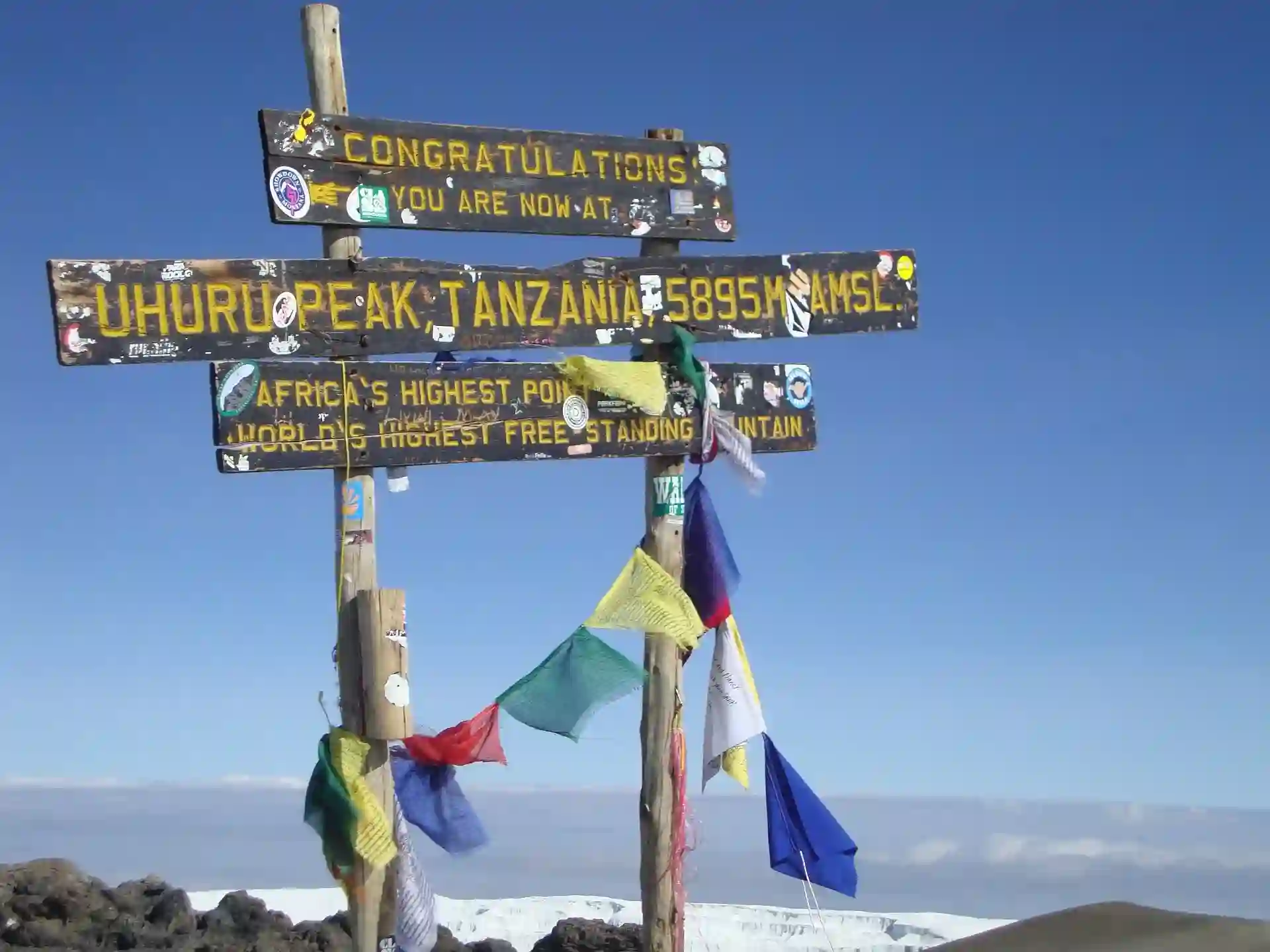
- Kilimanjaro followed by a recovery safari or Zanzibar
- A long family holiday with rest days
- Safari, culture and beach in one journey
The extra time only helps when the route is coherent. North, south and west are separated by large distances. Domestic flights are often essential, and flight days must be treated as real travel days.
Recommended Time by Safari Circuit
Northern Circuit: Six to Eight Safari Days
For Tarangire, Serengeti and Ngorongoro, six to eight active safari days is an excellent range. Add arrival and departure, and the total trip becomes roughly eight to ten calendar days.
A shorter five-day northern journey can work, but it will be more concentrated. A longer journey can add Lake Manyara, Lake Natron, seasonal Serengeti regions or cultural experiences without reducing core wildlife time.
Southern Circuit: Six to Ten Days
Nyerere and Ruaha are large, less crowded and well suited to travellers who value wilderness, walking, boating and a slower rhythm. A fly-in combination of two southern parks can work in about seven or eight days. A road itinerary involving Nyerere, Mikumi, Udzungwa and Ruaha requires more time because the distances are substantial.
Tanzania Inside Safari's published 6-day southern itinerary combines Dar es Salaam, Nyerere and Mikumi. Travellers wanting both Nyerere and Ruaha with several activities in each should plan a longer trip or use scheduled flights.
Western Tanzania: Seven to Twelve Days
Gombe and Mahale are remote. Reaching them may involve flights through Dar es Salaam and Kigoma plus a boat transfer. The travel is part of the expedition, but it cannot be ignored in the day count.
Tanzania Inside Safari's current Gombe program is seven days including Dar es Salaam and Kigoma travel. The Mahale chimpanzee and habituation program is nine days and includes three principal trekking days in the park.
If you combine western Tanzania with a northern safari, allow at least two weeks and plan the flight connections carefully.
How Many Nights Should You Spend in Each Park?
| Area | Useful minimum | Better for depth |
|---|---|---|
| Tarangire | 1 night | 2 nights |
| Central Serengeti | 2 nights | 3-4 nights |
| Seasonal Serengeti region | 2 nights | 3 nights |
| Ngorongoro highlands and crater | 1 night | 2 nights |
| Lake Manyara | Day visit | 1 night with nearby activities |
| Lake Natron | 2 nights | 2-3 nights |
| Nyerere | 2 nights | 3-4 nights |
| Ruaha | 3 nights | 4 nights |
| Gombe | 2 trekking days | 3 trekking days |
| Mahale | 3 park nights | 4-5 park nights |
These are planning guides, not fixed rules. Camp location, flight times, road access, season and personal interests can change the calculation.
The Serengeti Needs More Time Than Many Travellers Expect
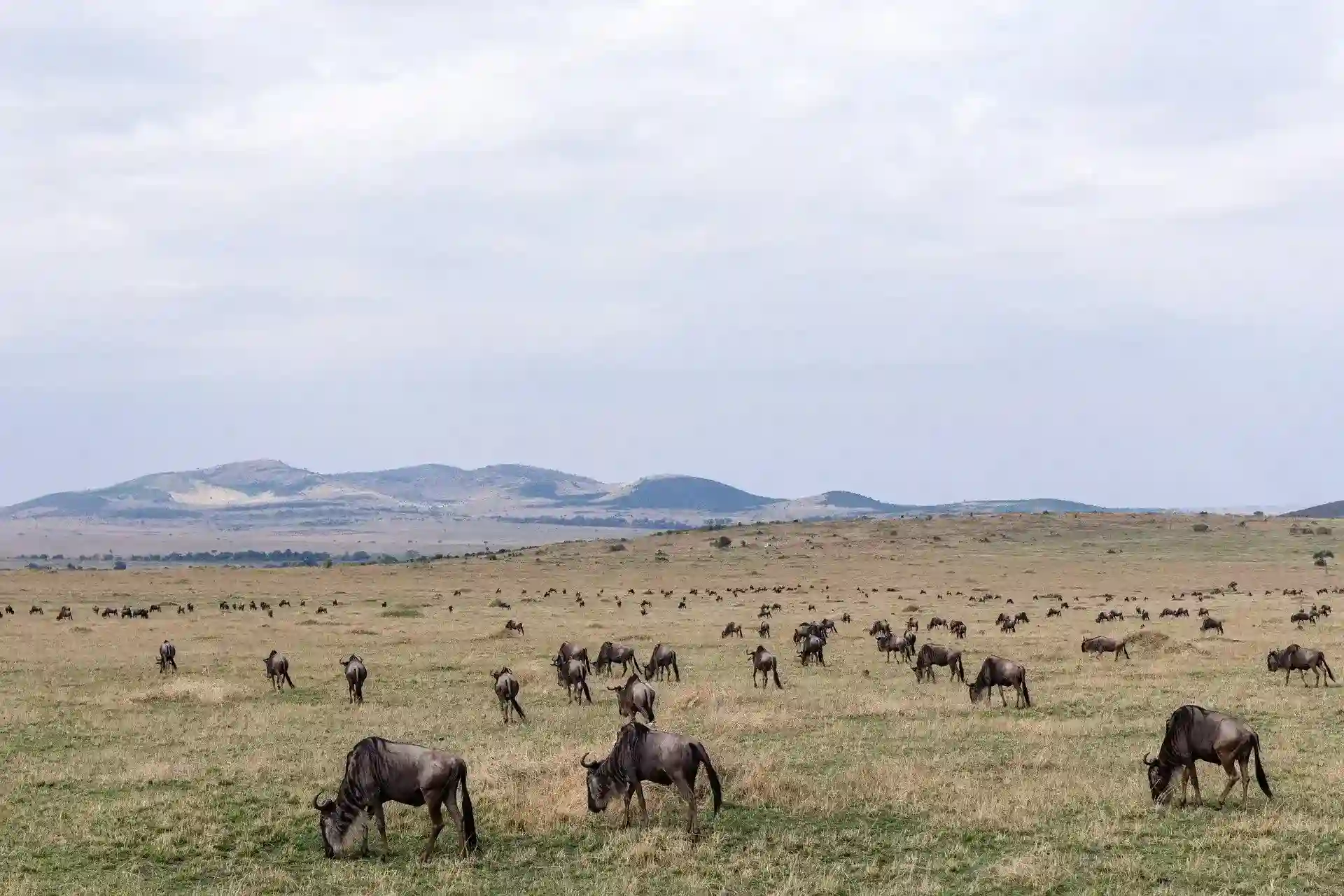
The Serengeti is not one small destination. Central Serengeti, the northern river area, the western corridor and the southern plains serve different seasonal purposes. A camp that is perfect in February may be poorly placed for a July river-crossing plan.
For a general safari, two nights in central Serengeti is a practical minimum. Three nights is better because it provides at least two strong morning-and-evening cycles and more flexibility to explore different habitats.
For a migration-focused safari, consider:
- Two or three nights in the seasonal migration region
- Two nights in central Serengeti for year-round resident wildlife
- A flight in or out when it prevents an unnecessary full-day drive
No operator can guarantee a crossing or a particular animal encounter. More time in the correct region improves opportunity; it does not create certainty.
How Season Changes the Number of Days You Need
River-Crossing Season
For northern Serengeti travel, allow enough time to reach the area and remain there for several game-drive periods. An eight- to ten-day total Tanzania itinerary is usually more practical than a hurried five-day road loop.
Calving Season
The southern Serengeti and Ndutu area can be combined with central Serengeti, Ngorongoro and Tarangire. Eight to ten calendar days gives the route space to follow the seasonal focus without treating every night as a transfer.
Green Season
Green-season safaris can provide beautiful light, birdlife, fewer vehicles and lower rates. Rain can occasionally slow roads or alter plans, so a flexible itinerary and an extra night in a key area can be valuable.
Peak Holiday Periods
In July, August and the Christmas/New Year period, availability may determine the route. Booking earlier gives access to better-positioned camps and reduces the need for awkward one-night substitutions.
Recommended Duration by Traveller Type
| Traveller | Recommended total trip length | Why |
|---|---|---|
| First-time couple | 7-9 days | Balanced northern circuit with manageable pace |
| Family with young children | 8-10 days | Shorter drives, two-night stays and rest time |
| Teen or multigenerational family | 9-12 days | Variety, cultural activities and flexible vehicle use |
| Photographer | 9-12 days | Repeated light, patient sightings and fewer lodge changes |
| Migration-focused traveller | 8-10 days | Time in the correct seasonal Serengeti region |
| Honeymoon safari only | 7-10 days | Privacy, special stays and a relaxed rhythm |
| Traveller | Recommended total trip length | Why |
|---|---|---|
| Safari and Zanzibar | 12-14 days | Strong safari plus a real beach stay |
| Solo traveller | 5-9 days | Depends on budget and private or scheduled departure |
| Returning safari traveller | 6-10 days | Focus on one region, species or specialist activity |
Families Should Usually Add Time, Not More Parks
Children can have an extraordinary safari, but long vehicle days affect them differently from adults. A family itinerary should consider nap times, meals, swimming pools, family rooms, bathroom stops and the possibility of returning to camp early.
Useful family planning choices include:
- Two-night stays instead of changing lodge daily
- A private vehicle so the family controls the pace
- One vehicle for up to six travellers when space and luggage allow
- Two vehicles for seven or more travellers, supporting comfort and flexibility
- A flight out of the Serengeti to remove a long return drive
- A lighter activity after an intense game-drive day
The published 9-day Tanzania Inside Safari family itinerary uses two nights in Tarangire, a crater day, two nights in Ndutu and two nights in central Serengeti before flying to Arusha. This is a good example of using time to reduce pressure rather than merely adding destinations.
Photographers Need Repetition
A photographic safari is not improved by changing parks every day. Good wildlife photography depends on light, position, patience and behaviour. Spending three or four nights in one Serengeti region allows the guide to learn what is happening locally and return to promising areas.
Photographers should prioritise:
- Private vehicle space
- Early starts and flexible return times
- Several nights in productive habitats
- Limited lodge changes
- Seasonal camp placement
- Enough luggage planning for bush flights
Nine to twelve days is a strong range for a dedicated northern photographic journey.
Road Safari or Fly-In Safari?
Road travel is part of the northern-circuit experience. You see towns, farmland, highlands and changing ecosystems between the parks. For a small private group, driving can also provide strong value.
Flights become useful when they protect time rather than simply add luxury. Examples include:
- Northern Serengeti to Arusha
- Serengeti to Zanzibar
- Dar es Salaam or Zanzibar to Nyerere
- Connections to remote western Tanzania
A mixed route often works best: drive through the northern circuit, then fly out of the Serengeti. This preserves the scenic progression while avoiding a long return journey.
Common Itinerary-Length Mistakes
Counting Arrival Day as a Full Safari Day
International flights can arrive late, and luggage may be delayed. Starting a long game-drive transfer immediately creates unnecessary pressure.
Adding Every Famous Park
More parks do not automatically mean more wildlife. Each move costs time. Repeated one-night stays can reduce early and late game-drive opportunities.
Ignoring the Location of the Lodge
A camp described as “Serengeti area” may be outside the gate or far from the part of the park you intend to explore. Location can turn a nominal two-night stay into one useful wildlife day.
Treating the Great Migration as One Place
The herds move through a vast ecosystem. Your dates should determine the region, and the route should allow enough nights there.
Combining Too Many Regions
North, south, west, Zanzibar and Kilimanjaro cannot all be treated as nearby additions. A multi-region holiday needs flights, buffer time and enough nights to justify each transfer.
Removing Every Buffer Day
Airline delays, weather, road conditions and luggage problems happen. A sensible arrival night and careful final connection protect the experience.
Six Sample Trip Shapes
Compact First Safari: 5-6 Days
- Arrival in Arusha
- Tarangire
- Two Serengeti nights
- Ngorongoro Crater
- Return or fly onward
Best for travellers who accept a brisk pace.
Classic Northern Safari: 7-9 Days
- Arrival in Arusha
- Two Tarangire nights
- Three Serengeti nights
- One or two Ngorongoro nights
- Departure or fly onward
Our strongest all-round recommendation for a first visit.
Migration Safari: 8-10 Days
- Arrival
- Tarangire or Ngorongoro
- Central Serengeti
- Seasonal migration region
- Fly back to Arusha or onward to Zanzibar
Best when the camp locations are chosen around the month.
Family Safari: 9-10 Days
- Arrival and recovery
- Two-night park stays
- Flexible game-drive days
- Family-friendly lodges
- Flight out of the Serengeti
Best for comfort, patience and shared enjoyment.
Safari and Zanzibar: 12-14 Days
- Arrival night
- Six to eight safari days
- Flight to Zanzibar
- Four to six beach nights
- Departure from Zanzibar
Best for travellers wanting adventure followed by restoration.
North and West Tanzania: 14-18 Days
- Northern circuit
- Flight through Dar es Salaam or Kigoma
- Gombe or Mahale
- Buffer and departure days
Best for travellers who value rare primate experiences and remote landscapes.
Questions to Ask Before Choosing the Duration
1
Does the advertised duration include arrival and departure days?
2
How many full or partial game-drive days are included?
3
How many nights are spent inside or close to each park?
4
Which days involve more than one major transfer?
5
Is the Serengeti camp in the correct region for the season?
6
Would a one-way flight create more useful safari time?
7
Are we trying to include too many parks?
8
Does the pace suit children, older travellers or medical needs?
9
Is there enough time for photography, culture or relaxation?
10
What happens if our international flight or luggage is delayed?
Our Recommendation
If this is your first Tanzania safari, begin with seven to nine calendar days for a northern-circuit journey. Use the extra time for longer stays in Tarangire, Serengeti and Ngorongoro rather than adding every possible stop.
Choose ten to twelve days when migration, photography, family comfort or deeper cultural experiences are priorities. Choose twelve to fourteen days for a balanced safari-and-Zanzibar holiday. For southern, western or multi-region Tanzania, let geography and flight schedules determine the plan rather than forcing the trip into a standard number of days.
At Tanzania Inside Safari, our published itineraries are starting points. We adjust the number of nights, camp locations, vehicle arrangements and flights around your dates, travel party and interests. The goal is not to make the itinerary look busy. It is to create a journey with enough time to notice, understand and remember what Tanzania gives you.
Explore our Tanzania safari itineraries
Tell us how much time you have
Sources and Route Examples
- Tanzania Inside Safari, Tanzania Safari Experiences: https://www.tanzaniainsideandsafari.com/tanzania-safari-experiences
- Tanzania Inside Safari, 5-Day Tanzania Luxury Safari: https://www.tanzaniainsideandsafari.com/5-day-tanzania-luxury-safari-featuring-serengeti
- Tanzania Inside Safari, 7-Day Tanzania Wildlife Safari: https://www.tanzaniainsideandsafari.com/7-day-tanzania-wildlife-safari
- Tanzania Inside Safari, 9-Day Luxury Family Calving Safari: https://www.tanzaniainsideandsafari.com/9-day-wildebeest-calving-season-family-safari
- Tanzania Inside Safari, 12-Day Luxury Safari and Zanzibar: https://www.tanzaniainsideandsafari.com/12-day-tanzania-luxury-safari
- Tanzania Inside Safari, 6-Day Southern Tanzania Safari: https://www.tanzaniainsideandsafari.com/6-day-best-of-southern-tanzania-luxury-safari
- Tanzania Inside Safari, 7-Day Gombe Chimpanzee Trekking: https://www.tanzaniainsideandsafari.com/7-day-gombe-chimpanzee-trekking
- Tanzania Inside Safari, 9-Day Mahale Chimpanzee Experience: https://www.tanzaniainsideandsafari.com/9-day-mahale-chimpanzee-experience
This article provides general planning guidance. Travel times, flight schedules, camp operations and wildlife movements vary. A tailor-made itinerary should be confirmed for your exact dates.
Planning note: park conditions, flight schedules, lodge operations, road access and wildlife movement can change. Confirm the final details that apply to your travel dates before booking.