


How to Plan a Tanzania Safari: A Complete First-Time Visitor’s Guide
Plan your first Tanzania safari with local advice on parks, seasons, trip length, costs, lodges, vehicles, flights, packing and choosing an itinerary.
Plan around your priorities02
Understand real logistics03
Compare options clearly04
Travel with confidence
Planning your first Tanzania safari is exciting, but the number of decisions can feel overwhelming. Should you visit the Serengeti or include the quieter parks of southern Tanzania? Is seven days enough? Should you travel by road or fly between camps? Which season offers the experience you want—and what should a well-designed safari actually cost?
The best safari is not simply the itinerary with the most parks or the most expensive lodges. It is the journey that matches your available time, preferred pace, interests, group and budget.
Tanzania Inside Safari is a locally owned company based in Moshi and Arusha. We plan private journeys by speaking directly with each traveller and then combining the right destinations, accommodation and logistics. This guide explains the decisions we help first-time visitors make before they book.
Planning a Tanzania Safari at a Glance
- For a first safari, the Northern Circuit is usually the easiest and most varied introduction to Tanzania.
- A well-paced Northern Circuit safari normally needs at least five to seven safari days; eight to ten days provides more time and fewer rushed transfers.
- Allow twelve to fourteen days if you want to combine a substantial safari with Zanzibar.
- Tanzania offers rewarding wildlife viewing throughout the year, but the best month depends on whether you prioritise dry-season game viewing, migration events, green landscapes, birdlife, fewer vehicles or value.
- Private safaris provide greater flexibility for families, couples, photographers and travellers who prefer to set their own pace.
- Accommodation category, season, group size, park fees, internal flights and itinerary length are the main factors affecting price.
- Road travel works particularly well on the Northern Circuit. Flights save time when connecting remote regions or adding Zanzibar.
- Migration river crossings and predator sightings are natural events and can never be guaranteed.
- Book early for July to October, Christmas and New Year, and the most popular migration camps.
- Choose an operator that explains both the experience and the logistics clearly.
Step 1: Decide What You Want From the Safari
Begin with the experience rather than a list of park names. Two travellers visiting Tanzania in the same month may need completely different itineraries.
Ask yourself:
- Is this your first African safari?
- Are the Big Five your main priority?
- Do you want to follow a particular stage of the Great Migration?
- Would you prefer fewer crowds, even if that means visiting less famous parks?
- Are you travelling with young children, teenagers or older relatives?
- Is wildlife photography a major purpose of the trip?
- Do you want cultural experiences, walking, boating or chimpanzee trekking?
- Would you like to finish with Zanzibar?
- Do you prefer active days or a slower pace with time to enjoy the lodge?
The answers determine the route more effectively than copying somebody else’s itinerary.
Step 2: Choose the Right Tanzania Safari Circuit
Tanzania is much larger than many first-time visitors expect. Its major safari areas are divided into circuits, and moving between them may require a domestic flight.
Northern Circuit: Best for Most First-Time Visitors
The Northern Circuit includes Tarangire National Park, Lake Manyara National Park, the Ngorongoro Conservation Area and the Serengeti. Arusha National Park and Lake Natron can also be incorporated.
It is the most practical first-safari circuit because it combines famous wildlife areas with a logical road route from Arusha. Each destination contributes something different:
- Tarangire: elephants, baobabs, seasonal wildlife concentrations and a landscape that feels very different from the Serengeti
- Lake Manyara: groundwater forest, Rift Valley scenery, birdlife and a useful shorter stop within a wider itinerary
- Ngorongoro Crater: concentrated wildlife within a dramatic volcanic caldera
- Serengeti: vast plains, resident predators and different stages of the Great Migration
- Lake Natron: remote scenery, flamingos when conditions are favourable and cultural or walking experiences
For many first-time travellers, a combination of Tarangire, Serengeti and Ngorongoro provides the strongest balance.
Southern Circuit: Best for Space and Varied Activities
Southern Tanzania includes Nyerere National Park, Ruaha National Park, Mikumi National Park and the Udzungwa Mountains region.
These areas suit travellers who want fewer vehicles, a more remote atmosphere and activities beyond standard game drives. Depending on the park and camp, itineraries may include boat safaris or guided walking experiences.
The south is not simply a quieter copy of the Northern Circuit. It has different ecosystems, travel logistics and seasonal patterns. Flying is often the most efficient way to connect its remote parks.
Western Circuit: Best for Remote Wilderness and Chimpanzees
Western Tanzania is for travellers seeking a specialised expedition. Mahale Mountains and Gombe Stream are known for chimpanzee trekking, while Katavi offers remote big-game wilderness.
Travel requires more time and careful coordination of flights and boat transfers. The reward is a distinctive experience far removed from a conventional first safari.
Combining Circuits
Combining northern, southern and western Tanzania is possible, but it should be done because the experiences complement one another—not simply to collect destinations. Domestic flights and additional nights increase cost and logistical complexity.
For a first trip of fewer than ten safari days, it is generally better to explore one circuit properly.
Step 3: Choose the Best Time for Your Priorities
There is no single month that is best for every traveller.
June to October: Dry Season
The long dry season generally offers cooler mornings, increasingly dry landscapes and wildlife gathering around permanent water. July through October is also the main period associated with the northern Serengeti and Mara River crossing season.
Advantages include predictable game-viewing conditions and easier road access. The trade-offs are higher demand, premium lodge rates and more safari vehicles around famous sightings.
December to March: Calving and Green-Season Wildlife
From roughly late December through March, the southern Serengeti and Ndutu region become important for the migration’s calving period. Large numbers of young wildebeest attract predators and create excellent wildlife and photographic opportunities.
The landscape is greener than during the dry season. January and February can be busy in migration areas, so the term green season does not always mean empty camps or low prices.
April and May: Long Rains
These months can bring heavy or prolonged rain, muddy roads and operational closures at some seasonal camps. They also offer dramatic skies, fresh landscapes, fewer visitors and lower rates at participating properties.
A well-planned rainy-season safari can be rewarding, but the route and accommodation must be selected carefully.
November and Early December: Short Rains
Rain usually arrives in showers rather than continuously, although patterns vary. Dust settles, vegetation becomes greener and visitor numbers may be lower than during peak dry-season months.
Rainfall and migration movement are never perfectly predictable. Climate patterns can shift, so use month-by-month guidance as planning context rather than a promise.
Step 4: Decide How Many Days You Need
Trying to include too many parks is one of the most common first-safari mistakes. Time spent driving between destinations must be considered alongside time spent observing wildlife.
Three to Four Days
This works for a short introduction from Arusha or as an extension after Kilimanjaro. Concentrate on two or three nearby areas rather than attempting the entire Northern Circuit.
Five to Seven Days
This is a strong first-time Northern Circuit range. A five-day trip can cover Tarangire, Serengeti and Ngorongoro with a fairly active pace. Seven days allows more time in the Serengeti and creates a more balanced experience.
Explore our 7-day Tanzania wildlife safari for an example.
Eight to Ten Days
This range provides room for longer stays, more flexible game drives and additional experiences. It is particularly useful for migration-focused, family, cultural or photographic safaris.
Eleven to Fourteen Days
This works well for slow travel, specialist photography, combining safari regions or adding Zanzibar. A safari-and-beach journey should protect enough time for both parts rather than reducing the wildlife experience to a rushed prelude.
See our 12-day Serengeti safari and Zanzibar beach vacation for one possible structure.
Step 5: Choose Private or Group Travel
A private safari means the vehicle and guide are dedicated to your booking. You choose the people travelling with you and have more control over departure times, stops and the daily rhythm.
Private travel is particularly valuable for:
- Families who need breaks or shorter drives
- Photographers who may spend longer at one sighting
- Couples and honeymooners seeking privacy
- Older travellers who prefer a gentler pace
- Friends with shared interests
- Travellers with dietary, mobility or medical considerations
Group departures can reduce the per-person cost because vehicle expenses are shared, but they require compromise. Travellers may have different interests, photography styles and expectations about timing.
Tanzania Inside Safari primarily designs private safari journeys. Groups of up to six guests can normally travel in one vehicle. For seven or more guests, we use two vehicles so that space, viewing comfort and flexibility are not sacrificed.
Step 6: Understand Safari Accommodation
Accommodation names can be confusing because camp does not necessarily mean basic camping.
Safari Lodges
Lodges are permanent properties with private rooms or cottages, restaurants and established facilities. They may range from comfortable mid-range options to highly luxurious properties.
Tented Camps
Tented camps combine canvas structures with proper beds, private bathrooms and hosted service. Some are permanent; others operate seasonally.
The word tent may describe the walls rather than the comfort level. Always examine the room, bathroom, electricity, location and included services.
Mobile Migration Camps
Some camps move between regions of the Serengeti to remain close to expected migration areas. They can provide excellent access but are still subject to unpredictable herd movement.
Public or Special Campsites
Camping safaris range from basic public sites to private mobile arrangements. They require additional equipment and crew logistics but can create a close-to-nature experience.
Inside or Outside the Park?
Staying inside a park or conservation area may reduce morning transfer time and place you closer to wildlife. Staying outside can offer different price points, views or cultural access. The best choice depends on the day-by-day route, not a simple rule that one is always superior.
Step 7: Understand What Determines Safari Cost
Tanzania safari prices cannot be compared responsibly without checking what each quotation includes.
The main cost factors are:
- Travel season
- Accommodation category and location
- Number of travellers sharing a vehicle
- Length of the safari
- Park and conservation fees
- Road travel versus internal flights
- Private versus shared activities
- Room configuration, especially for solo travellers and families
- Optional activities such as balloon flights, walks or cultural visits
- Airport transfers and pre- or post-safari hotels
A quotation that appears cheaper may exclude transfers, drinks, taxes, flights, park fees or accommodation before the safari. Ask for written inclusions and exclusions.
Government park tariffs are published by Tanzania National Parks and may change. Accommodation and flight prices also vary by season and availability. A dated, itemised proposal is more reliable than a general price found in an old article.
At Tanzania Inside Safari, we explain the route, accommodation level and major inclusions before requesting a deposit. Our itineraries can be adjusted to protect the experience while working within a realistic budget.
Road Safari or Fly-In Safari?
Road and air travel create different experiences rather than simply cheap and expensive versions of the same trip.
Road Safari Advantages
- The same private guide can accompany you across the route
- You see changing landscapes and communities between parks
- Luggage rules are usually more flexible
- Cost is shared across the vehicle
- The Northern Circuit connects naturally by road
Fly-In Safari Advantages
- Long transfers can be reduced
- More time can be spent inside remote wildlife areas
- It is easier to connect Zanzibar, southern Tanzania or western Tanzania
- Scenic flights add a different perspective
Small aircraft normally have strict weight and bag-type limits. These vary by airline and route, so confirm the allowance shown on your ticket. Soft-sided luggage is generally easier to load than a rigid suitcase.
Many successful itineraries combine both methods—for example, driving from Arusha through Tarangire and Ngorongoro, continuing into the Serengeti and flying back to Arusha or onward to Zanzibar.
What Happens During a Typical Safari Day?
Safari days are flexible, but an early start is common because temperatures are cooler and wildlife may be more active.
A typical full day may include:
1
Early breakfast or coffee at the lodge
2
Morning game drive
3
Picnic lunch inside the park or lunch at the lodge
4
Afternoon game viewing
5
Return to camp before or around the required time
6
Dinner and a briefing about the following day
Some days use separate morning and afternoon drives with a rest in between. Others involve a full-day game drive because the best wildlife area is far from the lodge.
Private travel allows the guide to adjust the day around weather, wildlife information and your interests. It does not remove park regulations or lodge operating limits.
How the Great Migration Should Influence Your Plan
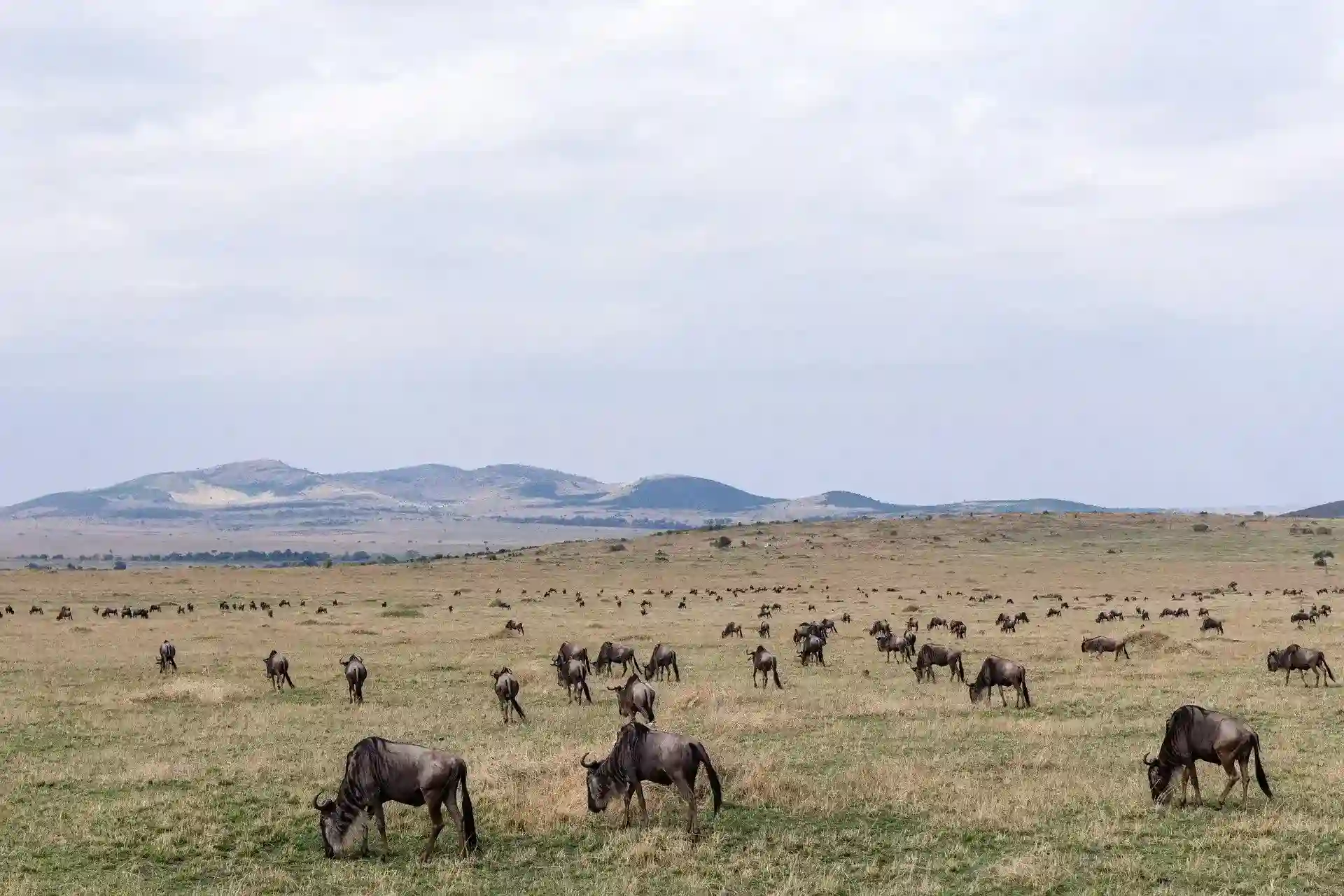
The Great Migration is a continuous annual movement rather than one event held on fixed dates. Rainfall, grazing conditions and river levels affect where the herds move.
Broadly:
- Southern Serengeti and Ndutu are important during the calving period
- The herds usually move through central and western areas as the year progresses
- Northern Serengeti becomes the focus during the main Mara River season
- Movement begins south again later in the year
Exact timings vary. No operator can guarantee a river crossing on a particular day. A responsible migration itinerary places you in the most suitable region for the season and gives you enough time to search without turning the safari into a race.
Vehicles and Guides Matter More Than Many Travellers Expect
Your guide and vehicle influence every day of the safari.
A good guide does more than locate animals. They read tracks and behaviour, understand light and positioning, communicate with other guides, manage safe distances and know when to wait rather than chase the next sighting.
Tanzania Inside Safari uses customised Toyota Land Cruiser 4x4 vehicles with pop-up roofs, charging points, a fridge, binoculars and first-aid equipment. We maintain our fleet through our local operations and workshop systems.
Before booking, ask:
- How many guests will share the vehicle?
- Will every traveller have a window position?
- Is the vehicle private?
- What happens in the event of a mechanical problem?
- What equipment is carried?
- Who will be your driver-guide?
Packing for a Tanzania Safari
Pack for comfort, dust, changing temperatures and limited luggage space.
Useful items include:
- Lightweight clothing in neutral colours
- Long trousers and long sleeves for sun and insects
- A warm layer for early mornings and the Ngorongoro highlands
- Comfortable closed shoes
- Hat, sunglasses and high-protection sunscreen
- Insect repellent
- Prescribed medication in your hand luggage
- Camera equipment and spare storage
- Charging cables and a suitable plug adapter
- A soft-sided bag if using internal flights
Avoid relying on camouflage clothing, and do not pack drones without researching the permissions required for import and use. Your operator should send a detailed list suited to your itinerary.
Health, Safety and Travel Insurance
Discuss vaccinations, malaria prevention and personal medical needs with a qualified travel-health professional. Advice depends on your health history, itinerary and recent travel.
Purchase comprehensive insurance that covers medical treatment, evacuation, trip interruption, cancellation and the activities included in your journey. Read altitude clauses if combining safari with Kilimanjaro.
During the safari:
- Follow your guide’s instructions around wildlife
- Do not leave the vehicle except in authorised areas
- Keep doors and tent closures secured as instructed
- Do not feed animals
- Tell the guide about allergies or health concerns
- Drink water regularly and protect yourself from the sun
Safety also depends on realistic driving days. An itinerary should not pressure a guide to drive excessive distances after dark simply to fit in another destination.
Which Airport Should You Use?
For Northern Circuit safaris, Kilimanjaro International Airport (JRO) is usually the most practical international gateway. Arusha Airport (ARK) primarily handles domestic and regional connections.
Julius Nyerere International Airport (DAR) serves Dar es Salaam and is useful for southern or western connections. Abeid Amani Karume International Airport (ZNZ) serves Zanzibar.
If your trip combines a Northern Circuit safari with Zanzibar, arriving through JRO and departing from ZNZ can prevent unnecessary backtracking. The best flight pattern depends on your complete itinerary, so discuss it with your operator before buying non-refundable tickets.
Visa and entry rules depend on nationality and can change. Use the official Tanzania Immigration eVisa service and confirm any transit-country requirements.
Planning for Families, Couples and Photographers
Families
Private vehicles, family rooms, shorter drives and lodges with space between activities make a significant difference. Minimum ages may apply to walking, ballooning or certain camps.
Couples and Honeymooners
Prioritise privacy, room location and pacing rather than filling every day. A safari-and-Zanzibar combination can balance adventure and relaxation.
Photographers
Fewer people per vehicle, patient guides, accessible charging and longer stays in productive wildlife areas are more important than visiting the maximum number of parks.
See our 11-day photographic Tanzania safari for an example of a photography-led itinerary.
How to Choose a Tanzania Safari Operator
Ask each operator:
1
Is the company registered and licensed in Tanzania?
2
Who plans and operates the trip on the ground?
3
Is the vehicle private, and how many guests will it carry?
4
Which accommodation is confirmed, and which is only an example?
5
Are park fees, taxes, meals, drinks, transfers and flights included?
6
What happens if a lodge becomes unavailable?
7
How are dietary and medical needs communicated?
8
What support is available during the trip?
9
What are the deposit, payment and cancellation terms?
10
Can recent independent reviews be verified?
Look beyond a beautiful itinerary. Clear communication before payment is often the best indication of how problems will be handled during the trip.
How Tanzania Inside Safari Plans Your Journey
We begin with a conversation about your dates, group, budget, interests and preferred pace. We then recommend the parks, number of nights, accommodation level and transport pattern that fit those priorities.
Our safari approach includes:
- Direct planning with a locally based Moshi and Arusha team
- Private, tailor-made itineraries
- Professional Tanzanian driver-guides
- Customised 4x4 Land Cruisers
- Airport transfers and coordinated domestic flights where included
- Carefully selected mid-range, luxury and premium accommodation
- Drinking water throughout the safari
- Support for dietary requirements when communicated in advance
- Clear inclusions, pricing and pre-departure guidance
- Seamless combinations with Kilimanjaro, Zanzibar, cultural experiences and chimpanzee trekking
We do not believe that the best safari is the one with the longest destination list. The best safari gives you enough time to observe, understand and connect with Tanzania.
Frequently Asked Questions
What is the best Tanzania safari for a first-time visitor?
A private five- to seven-day Northern Circuit safari combining Tarangire, Serengeti and Ngorongoro is an excellent starting point. Add more days if you prefer a relaxed pace or want to focus on the migration.
Is seven days enough for Tanzania?
Seven safari days can provide a strong Northern Circuit experience. If the trip also includes Zanzibar, arrival days or long international travel, plan additional time.
Can I see the Big Five in Tanzania?
Tanzania supports all five species, but wildlife sightings are never guaranteed. A well-designed itinerary and experienced guide improve your opportunities without turning animals into a checklist.
When should I book?
For July to October, Christmas, New Year and popular migration camps, begin planning well in advance—often nine to twelve months before travel. Other periods may offer more flexibility, but early planning still improves accommodation choice.
Is Tanzania suitable for children?
Yes, when the route, vehicle and accommodation match the children’s ages. Private safaris allow families to adjust drive length, meal timing and rest stops.
Do I need a private safari vehicle?
It is not essential for every traveller, but it provides valuable flexibility. It is especially useful for families, photographers, couples and anyone who does not want their day determined by strangers.
Can I combine a safari with Zanzibar?
Yes. Northern Tanzania connects well with Zanzibar by scheduled domestic flight. A twelve- to fourteen-day trip allows a meaningful safari and enough beach time.
Are migration crossings guaranteed?
No. River crossings depend on wildlife movement and local conditions. Treat them as a possibility within a wider Serengeti experience.
Start Planning Your Tanzania Safari
Your first safari should feel exciting, not confusing. Tell us when you want to travel, who is joining you, how many days you have and what matters most to you. Our local team will turn those priorities into a carefully paced itinerary.
Explore Tanzania Inside Safari’s safari experiences
Plan your private Tanzania safari
Planning note: park conditions, flight schedules, lodge operations, road access and wildlife movement can change. Confirm the final details that apply to your travel dates before booking.