
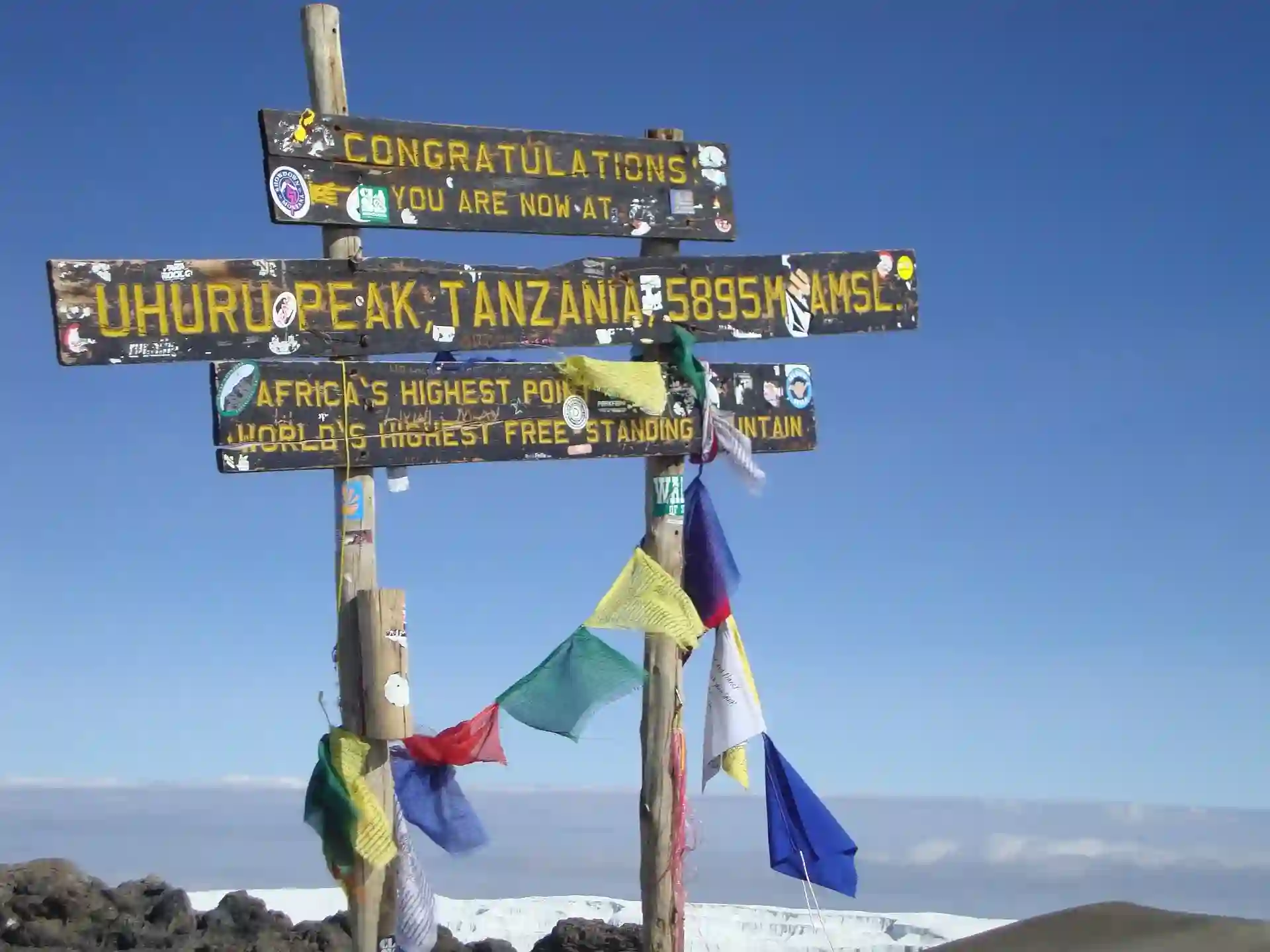


Kilimanjaro for Beginners: Everything First-Time Climbers Need to Know
A complete first-time climber's guide to choosing a route, preparing safely, understanding mountain life and approaching the summit with realistic expectations.

Kilimanjaro for Beginners at a Glance
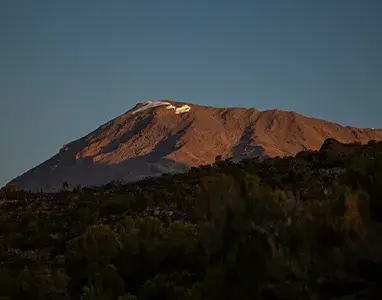
- Summit: Uhuru Peak, 5,895 metres (19,341 feet)
- Normal climbing style: guided trekking on established trails
- Technical skills: not normally required on the standard routes
- Recommended experience: regular hiking is valuable, but previous mountaineering is not essential
- Time on the mountain: route schedules vary; most first-time climbers should prioritise at least seven trekking days
- Main challenge: rapid altitude gain rather than technical climbing
- Accommodation: tents on most routes; shared huts on Marangu
- Typical trekking day: often four to seven hours, with longer days depending on the route and conditions
- Summit day: commonly the longest day, combining a night ascent with a major descent
- Best preparation: endurance hiking, hills or stairs, strength work, tested equipment and realistic expectations
Can a Complete Beginner Climb Kilimanjaro?
Yes. Many people make Kilimanjaro their first high-altitude mountain. You do not need to be a rock climber, and the standard trekking routes are not technical expeditions in normal conditions.
You do need enough aerobic endurance to walk for consecutive days, enough leg and core strength to manage long descents, and enough patience to move at the deliberately slow "pole pole" pace. You must also be willing to follow your guide's instructions when altitude, weather or your health changes the plan.
Strong fitness cannot guarantee acclimatization. An endurance athlete can develop altitude illness while a moderately fit walker acclimatizes well. Previous response to altitude is useful information, but it does not guarantee how you will respond on Kilimanjaro.
The Difference Between Non-Technical and Easy
Calling Kilimanjaro a walk-up mountain describes the absence of routine technical climbing. It does not describe the complete experience.
The difficulty comes from several factors acting together:
- A rapid ascent from low elevation to almost 6,000 metres
- Repeated days of walking with limited recovery
- Cold, wind, rain, dust or snow across several ecological zones
- Basic mountain accommodation and interrupted sleep
- Uneven trails, scree and sustained uphill walking
- A summit attempt that normally starts around midnight
- A long descent after reaching the crater rim or summit
For many beginners, the hardest moment is not a steep obstacle. It is continuing slowly in the dark at high altitude when breathing feels harder, the temperature is low and fatigue has accumulated over several days.
Choosing the Right Kilimanjaro Route
The best route is not simply the shortest or the one with the most famous name. Compare the number of days, sleeping-altitude profile, scenery, traffic, accommodation and your previous experience.
| Route | Beginner perspective | Important trade-off |
|---|---|---|
| 8-day Lemosho | One of our preferred options for first-time climbers, with a varied western approach and useful high-and-low movements | Camping route; joins busier southern trails later |
| Northern Circuit | Long, quieter and well suited to climbers who prioritise acclimatization time | More trekking days, time and cost; the summit remains demanding |
| 7-day Machame | Scenic, popular and includes the Lava Tower acclimatization day | Busier camps and the Barranco Wall; avoid compressing it unnecessarily |
| 7-day Rongai | Quieter northern approach with a different landscape and useful time near Mawenzi | Less of the classic southern circuit scenery; descent uses Marangu |
| 6-day Marangu | The only standard route with shared huts; the extra Horombo night is valuable | Large altitude gains remain; huts do not make acclimatization easier |
| Umbwe | Steep, direct and dramatic | Rapid early altitude gain; better reserved for experienced or pre-acclimatized climbers |
Route descriptions and camp sequences can change, and operators sometimes use the same route name for schedules of different lengths. Compare the actual day-by-day itinerary before booking.
How Many Days Should a Beginner Book?
For most first-time climbers, Tanzania Inside Safari recommends at least seven trekking days on Kilimanjaro. An eight-day Lemosho or longer Northern Circuit itinerary provides more time for the body to adapt than a compressed climb. On Marangu, six days with an additional night at Horombo is preferable to the five-day version.
An extra day is not a guarantee of reaching the summit, but it can improve the sleeping-altitude progression, create opportunities for acclimatization walks and give guides more time to observe how you are responding.
Do not compare itineraries only by total holiday length. A package may also include hotel nights in Moshi before and after the climb. Ask specifically how many days and nights are spent trekking inside the national park.
When Is the Best Time to Climb?
The generally drier climbing periods are from late December into early March and from around mid-June through October. Conditions can still change quickly, and rain, wind, cloud, frost or snow are possible at any time.
The long-rain period is usually associated with March through May, while November often brings shorter rains. Quieter trails can be appealing, but wet-season climbs require stronger waterproofing, more tolerance for mud and damp equipment, and flexible expectations.
Severe weather can cause guides, the operator or park authorities to delay, alter or end a climb. No itinerary or summit date overrides a safety decision.Read full guide
What a Normal Day on Kilimanjaro Feels Like
A typical day begins with a wake-up call, washing water and breakfast. You pack your sleeping gear and personal items into the duffel for the porter team, then carry your daypack while trekking with the guides.
Most regular days involve a controlled pace, rest stops and lunch either on the trail or at camp. When you arrive, your camp team will normally have established the sleeping and dining area. The afternoon may include rest, an acclimatization walk, a health check, dinner and a briefing for the following day.
Distances can look modest on paper. At altitude, however, a short climb may take several hours. Trail conditions, group pace, weather and health mean quoted walking times are estimates rather than promises.
Understanding Altitude Before You Book
As elevation increases, atmospheric pressure falls. The air still contains approximately the same percentage of oxygen, but fewer oxygen molecules enter your lungs with each breath. Kilimanjaro's summit is in the extreme-altitude zone, where the body cannot fully acclimatize for a prolonged stay.
Common symptoms of Acute Mountain Sickness, or AMS, include:
- Headache
- Nausea or loss of appetite
- Dizziness or light-headedness
- Unusual fatigue or weakness
- Vomiting
- A noticeable reduction in normal walking performance
Symptoms following an altitude gain must be reported to your guide. Do not hide them to protect a summit attempt.
The essential rules are:
Do not ascend to a higher sleeping altitude while experiencing altitude-illness symptoms.
Descend if symptoms worsen or fail to improve at the same altitude.
Treat confusion, loss of coordination or breathlessness at rest as an emergency.
High-Altitude Cerebral Edema (HACE) and High-Altitude Pulmonary Edema (HAPE) are life-threatening emergencies. Oxygen, medication and evacuation support may be used by trained personnel, but urgent descent is the decisive treatment and must not be delayed.Read full guide on aclimatization
How Our Guides Monitor Climbers
Our approach combines conversation, observation and measured trends. Health reviews may include:
- Asking about headache, appetite, nausea, dizziness, sleep and fatigue
- Measuring pulse rate and oxygen saturation
- Observing walking speed, balance, breathing and behaviour
- Comparing findings with previous checks
- Assessing whether the climber can eat, drink, communicate and walk normally
A pulse oximeter is useful, but a single number cannot declare a climber fit to continue. Cold fingers, movement, circulation, nail coverings and measurement technique can affect the reading. Symptoms, function and guide judgement remain central.
Our trained local mountain guides carry mountain first-aid equipment and emergency oxygen. Oxygen is for emergency support while descent or evacuation is organised; it is not used to mask worsening symptoms and push a climber towards the summit. The lead guide has authority to stop an ascent when continuing is unsafe.
How Fit Do You Need to Be?
You do not need elite speed. You need durable, repeatable fitness. A useful training goal is to walk comfortably for several hours on consecutive days while carrying the daypack you will use on the mountain.
Most beginners benefit from a structured programme beginning roughly eight to twelve weeks before departure, with more time if they are starting from a low fitness base. Include:
- Brisk walking, hiking, cycling or other steady aerobic exercise
- Hills, stairs or an inclined treadmill
- Gradually longer weekend hikes
- Back-to-back walking days to practise recovery
- Squats, lunges, step-ups, calf work and core stability
- Descending practice, which prepares the legs for summit-day fatigue
- Sessions carrying a 25-35 litre daypack
Increase training gradually and include recovery days. If you have an injury, chronic medical condition or significant uncertainty about exercise at altitude, consult a qualified medical professional.
Practise With Your Equipment
New boots, unfamiliar trekking poles and an untested hydration system create avoidable problems. Complete several training walks wearing the boots, socks, layers and daypack you plan to use.
Learn how to add and remove layers without unpacking everything. Test your rain jacket, headlamp, gloves and water containers. Practise adjusting trekking poles for both ascent and descent. Small problems are easier to solve at home than above 4,000 metres.
Essential Gear for a First Climb
Kilimanjaro crosses warm rainforest, exposed heath and moorland, alpine desert and a freezing summit zone. A flexible layering system is more useful than one very heavy outfit.
Your critical equipment includes:
- Broken-in waterproof hiking boots
- Moisture-managing base layers
- Warm mid-layers and an insulated jacket
- Waterproof jacket and trousers
- Warm hat, sun hat, liner gloves and insulated outer gloves
- Comfortable trekking trousers and hiking socks
- Trekking poles
- Headlamp with spare batteries
- Sunglasses, sunscreen and lip protection
- A four-season sleeping bag suitable for freezing nights
- A 25-35 litre daypack with rain protection
- A 70-90 litre soft duffel for porter-carried equipment
- Reusable water bottles or a combination of bottles and hydration reservoir
- Personal medicines, toiletries and blister-care items
Your porter-carried duffel must remain within the company's 15-kilogram client-bag limit. You carry the items required during the day, so the daypack should always contain water, rain protection, warm layers, sun protection, snacks, medication and valuables.
Some equipment can be rented in Tanzania, but sizes and quantities are limited. Reserve rental gear before arrival and bring critical personal-fit items whenever practical.Read full guide on Kilimanjaro packing list
What You Carry and What the Crew Carries
You normally carry only your daypack. The mountain crew transports your packed duffel, tents and shared camp equipment between overnight stops. Porters travel separately from the trekking group, so you cannot access the duffel whenever you want during the day.
Keep passports, money, electronics, medicines and other valuables with you. Pack the duffel in a waterproof liner because rain and ground moisture can reach the bag even when an outer cover is used.
Porter welfare is part of a responsible climb. Our operating standards include fair treatment, appropriate load management, safe water, three crew meals per day and transparent tipping guidance. Client luggage limits protect both logistics and the people carrying the equipment.
Tents, Huts and Sleeping at Altitude
Lemosho, Machame, Rongai, Northern Circuit and Umbwe are camping routes. Tanzania Inside Safari provides sleeping tents and mattresses, along with a dining tent for meals and briefings. Marangu uses shared dormitory-style huts with basic sleeping platforms or bunks and communal facilities.
Neither option is a hotel. Camps can be noisy, shared with other expeditions and exposed to wind or cold. Hut accommodation does not give Marangu a safer altitude profile.
Sleep often becomes lighter and more interrupted as elevation increases. Cold, unfamiliar surroundings and normal periodic breathing at altitude can wake climbers. However, breathlessness at rest, confusion, chest congestion or a marked change in your condition must be reported immediately.Learn more
Toilets, Washing and Personal Hygiene
On our camping-route climbs, a private portable toilet and toilet tent are included for our trekking group. This offers more privacy and consistency than relying only on shared park toilets. The arrangement is private to our group, not a private campsite, and waste is managed by the crew in accordance with park procedures.
Marangu uses shared toilet facilities associated with the hut camps. Facilities remain basic, and running water is not guaranteed.
There are no normal hot showers during a standard climb. The crew provides washing water at camp when conditions and water availability permit. Bring hand sanitiser, biodegradable soap used sparingly, toilet paper, a quick-dry cloth and a small waste bag. Do not leave wipes or sanitary products on the mountain.
Food and Drinking Water
The cook team prepares meals designed to provide energy across consecutive trekking days. Tell us about allergies, medical diets or important dietary restrictions before arrival so the team can plan realistically.
Water is collected from approved mountain sources where available and treated or boiled by the crew. Carry reusable containers with enough capacity for the day's instructions; disposable plastic water bottles are not the mountain solution.
Many climbers consume roughly three to four litres of total fluid across a full day, including drinks at camp, but needs vary with body size, temperature, effort, diet, illness and medication. Drink regularly to thirst and guidance, monitor how you feel and avoid forcing excessive amounts. Extra water does not prevent AMS, and overhydration can be dangerous.
On summit night, insulated bottles are more reliable than an exposed hydration hose, which can freeze. Keep water inside your pack or jacket when temperatures fall.
What Summit Night Is Really Like
Summit night normally begins around midnight after a short evening rest. Climbers move slowly by headlamp over cold, dark and often loose terrain towards the crater rim. Depending on the route, the first major objective is normally Stella Point or Gilman's Point, followed by the final traverse to Uhuru Peak if the guide decides that conditions and health allow it.
The ascent may take six to eight hours or longer. After the summit, the group descends to the high camp for a short rest and continues to a much lower camp. Total movement can extend well beyond twelve hours.
Beginners should expect:
- A very slow pace and frequent short stops
- Cold hands and feet if layers or circulation are poorly managed
- Reduced appetite and difficult breathing at high altitude
- Loose scree and tired legs during the descent
- The possibility of turning around before the summit
Reaching Uhuru Peak is never guaranteed. A safe descent is part of the climb, not an afterthought.
The Barranco Wall and Other Trail Concerns
The Barranco Wall appears on Machame, Lemosho and some Umbwe itineraries. It looks intimidating from camp, but the standard passage is a guided scramble rather than technical rock climbing. Climbers use their hands for balance in places and move carefully through a few exposed-looking sections.
Guides manage spacing, identify secure hand and foot placements and assist where needed. The wall is more difficult when wet, icy, crowded or approached by someone with limited mobility or a strong fear of heights. Trekking poles are normally packed away during the hands-on sections.
Elsewhere, the most common trail challenges are mud in the forest, dust, uneven rock, loose scree and prolonged descent. Good boots, poles, patient pacing and attention to the guide reduce avoidable risk.
Private or Group Climb?
A private climb is organised for your own party and offers more flexibility in departure date, group composition and pre-trip planning. It does not provide exclusive campsites, and park facilities are still shared.
A scheduled group departure usually costs less per person and creates a social team experience, but you accept fixed dates and a group rhythm. Responsible operators should still have enough guides and a clear plan if a climber needs to descend while others continue.
Private does not automatically mean safer, and group does not automatically mean impersonal. Itinerary length, guide quality, health monitoring, crew ratios and emergency planning are more important than the label. Read full guide
Travel Insurance and Emergency Evacuation
Standard holiday insurance is often inadequate. Your policy should explicitly cover:
- Tanzania and the full dates of travel
- Guided trekking to at least 6,000 metres
- Altitude-related illness, including AMS, HACE and HAPE
- Emergency medical treatment and hospital care
- Mountain evacuation and helicopter rescue where available
- Repatriation to your home country
- Trip cancellation, interruption and delayed baggage where relevant
Helicopter evacuation is not guaranteed. Weather, daylight, aircraft availability, landing conditions, park coordination and the climber's location may make a ground evacuation or assisted descent necessary. Rescue membership or an operator's emergency arrangement is not a substitute for an insurance policy that will pay the costs.
Before departure, obtain written confirmation from the insurer and understand whether pre-authorisation or payment in advance may be required. Carry the policy number, emergency telephone number and insurer instructions both digitally and on paper.
Medical Preparation and Diamox
Arrange a pre-travel medical consultation, particularly if you have heart or lung disease, severe anaemia, diabetes, sleep apnoea, neurological conditions, previous serious altitude illness, a recent operation, pregnancy or regular prescription medication.
Acetazolamide, commonly known as Diamox, can accelerate part of the acclimatization response and reduce the likelihood or severity of AMS. It does not replace a gradual itinerary, honest symptom reporting or descent. Discuss suitability, dosage, allergies, side effects and interactions with a doctor before travel; do not experiment with an unfamiliar prescription for the first time high on the mountain.
Review current vaccination and Tanzania travel-health advice with a qualified clinic. Requirements and recommendations can change, so check authoritative guidance for your nationality and itinerary rather than relying on an old packing list.
Arriving in Tanzania and the Pre-Climb Briefing
Kilimanjaro International Airport is the most convenient international gateway for many climbers. Plan enough time before the trek to recover from travel disruption, receive delayed baggage and complete the briefing. At least one full pre-climb night is important; additional margin is valuable after a long-haul journey.
Our pre-climb process covers the route, weather outlook, team roles, altitude symptoms, emergency procedures, packing and the luggage limit. Guides inspect essential equipment and identify missing or unsuitable items while there is still time to resolve them.
Our climb packages can include airport transfers and hotel nights in Moshi before and after the trek according to the confirmed itinerary. Read the inclusion list carefully and ask about meals, rental equipment, tips, visas, insurance, personal gear and optional extensions.
What a Responsible Operator Should Explain
Before paying a deposit, ask direct questions:
- How many trekking days are included, excluding hotel nights?
- What are the sleeping altitudes and acclimatization opportunities?
- How often are health checks performed?
- What first-aid and emergency equipment is carried?
- Who decides when a climber must stop or descend?
- How is a split group managed if one person descends?
- Are emergency oxygen and evacuation procedures documented?
- What accommodation, meals, water treatment and toilet arrangements are included?
- What is the client-duffel weight limit?
- How are guides, porters and cooks fed, equipped, paid and tipped?
- Which expenses and emergency costs remain the traveller's responsibility?
A high summit-success claim does not answer these questions. No ethical operator can guarantee that every climber will reach Uhuru Peak.
Common First-Time Mistakes
- Choosing the shortest itinerary to save money or annual leave
- Assuming fitness prevents altitude sickness
- Wearing new boots or carrying an unfamiliar pack
- Packing cotton summit layers that retain moisture
- Leaving waterproofs or warm clothing in the porter duffel
- Drinking excessive water in an attempt to prevent AMS
- Hiding headache, nausea or unusual fatigue
- Treating the pulse-oximeter number as the only safety test
- Buying insurance without checking its altitude ceiling
- Underestimating the long descent after the summit
- Believing a private climb provides a private mountain or campsite
- Judging the entire trip only by whether the summit was reached
A Practical Planning Timeline
Six to Twelve Months Before
- Compare routes and actual day-by-day schedules.
- Choose dates with enough buffer before and after the climb.
- Review the operator's inclusions, safety system and crew standards.
- Check passport validity and book suitable travel insurance.
Three to Six Months Before
- Begin or progress a structured hiking and strength programme.
- Arrange a travel-health consultation.
- Buy boots early and break them in.
- Reserve limited rental equipment and confirm dietary needs.
Four to Eight Weeks Before
- Complete longer and back-to-back training walks.
- Test the complete clothing and hydration system.
- Reconfirm flights, transfers, hotel nights and documents.
- Save insurer and operator emergency contacts offline.
Final Week
- Reduce hard training and prioritise recovery.
- Check the forecast without treating it as a guarantee.
- Pack critical clothing, boots and medication in cabin baggage.
- Keep copies of your passport, insurance and emergency details.
Frequently Asked Questions
Do I Need Previous Altitude Experience?
No, but previous gradual exposure can help you understand your response. It never guarantees immunity. A longer Kilimanjaro itinerary is still important.
Do I Need Technical Climbing Equipment?
Not for a normal trek on the standard routes. Unusual snow or ice can change conditions, and the guide or park may alter the plan. Specialist technical objectives are separate expeditions.
Will I Have Phone Signal or Electricity?
Signal can appear at some camps but is unreliable, and electricity is not a normal campsite service. Bring a power bank, conserve battery and tell family that contact may be intermittent.
Can I Shower on the Mountain?
Normal showers are not available during a standard climb. Washing water is provided at camp when conditions permit. A simple hygiene routine is sufficient for the trek.
What Happens If I Cannot Continue?
The guide assesses your condition and organises rest, descent or evacuation as appropriate. On a properly staffed climb, the wider group may be able to continue with other guides, but the exact decision depends on group size, staffing, route and circumstances.
Is Reaching the Summit the Only Measure of Success?
No. A responsible journey includes arriving prepared, treating the crew respectfully, responding honestly to health checks, experiencing the mountain and descending safely. Turning around can be the strongest decision of the entire climb.
Our Approach for First-Time Climbers
Tanzania Inside Safari is a locally owned and operated company. We design climbs around realistic acclimatization, trained local leadership and clear preparation rather than a summit guarantee.
For beginners, our approach includes:
- Honest route advice based on available days and experience
- Longer itinerary options with better acclimatization profiles
- A controlled pole pole pace
- Regular symptom, function and oxygen-saturation reviews
- Emergency oxygen and mountain first-aid equipment
- Clear authority for guides to stop an unsafe ascent
- Treated drinking water, mountain meals and practical camp support
- Private portable toilets on our camping-route treks
- Responsible porter load limits, meals and welfare standards
- Detailed pre-climb briefings and equipment checks
We can also help combine the climb with a wildlife safari or Zanzibar extension, allowing recovery time and a broader Tanzanian experience.
Start Planning Your First Kilimanjaro Climb
Tell us your preferred travel period, available number of days, current hiking experience and whether you prefer a private or scheduled group climb. Our local team will help you compare routes and build a realistic plan.