
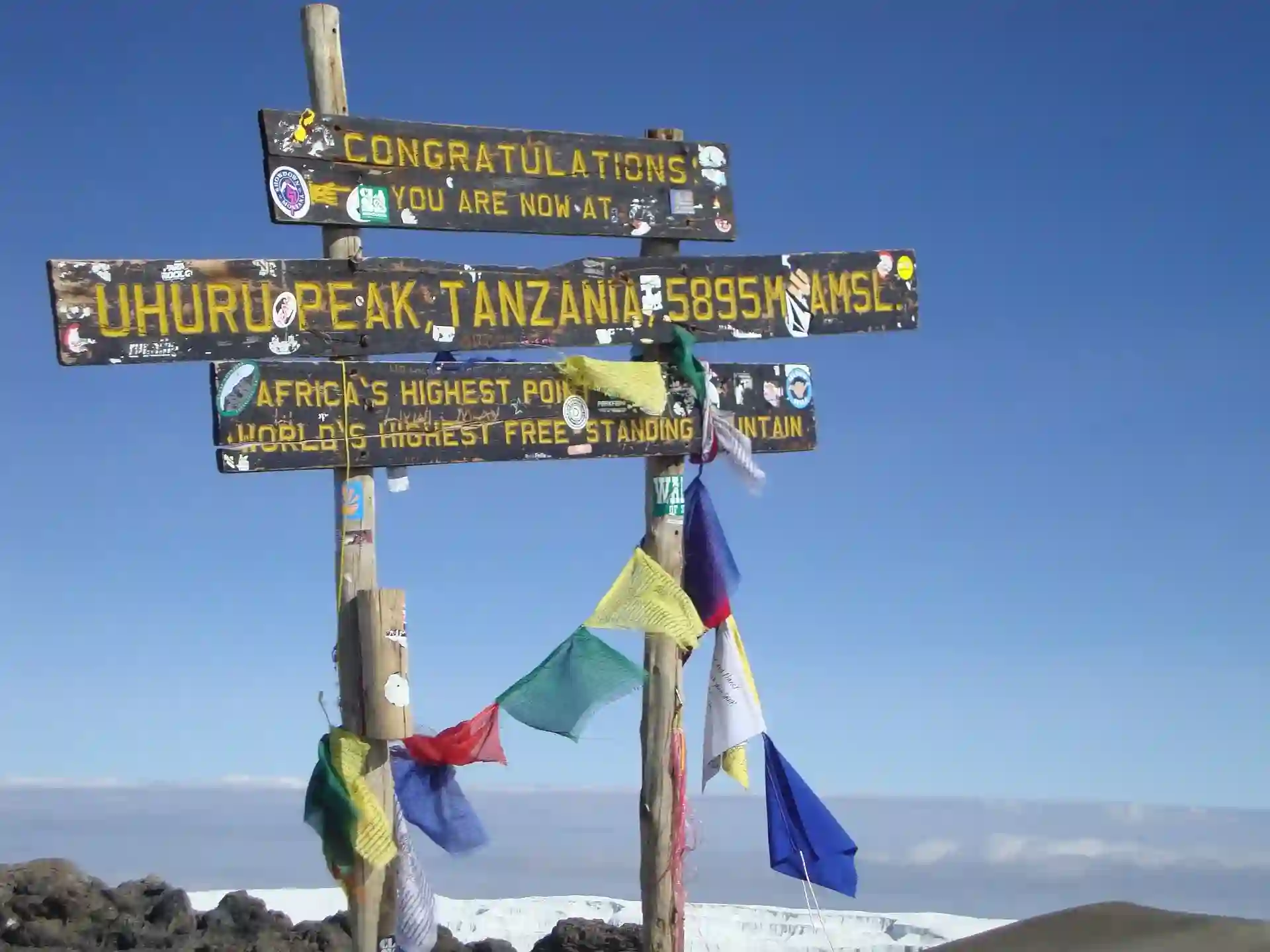


Women's Guide to Climbing Kilimanjaro: Health, Hygiene and Equipment
A direct, evidence-based guide to periods, toilets, intimate health, clothing, equipment, privacy and safe acclimatization on Africa’s highest mountain.
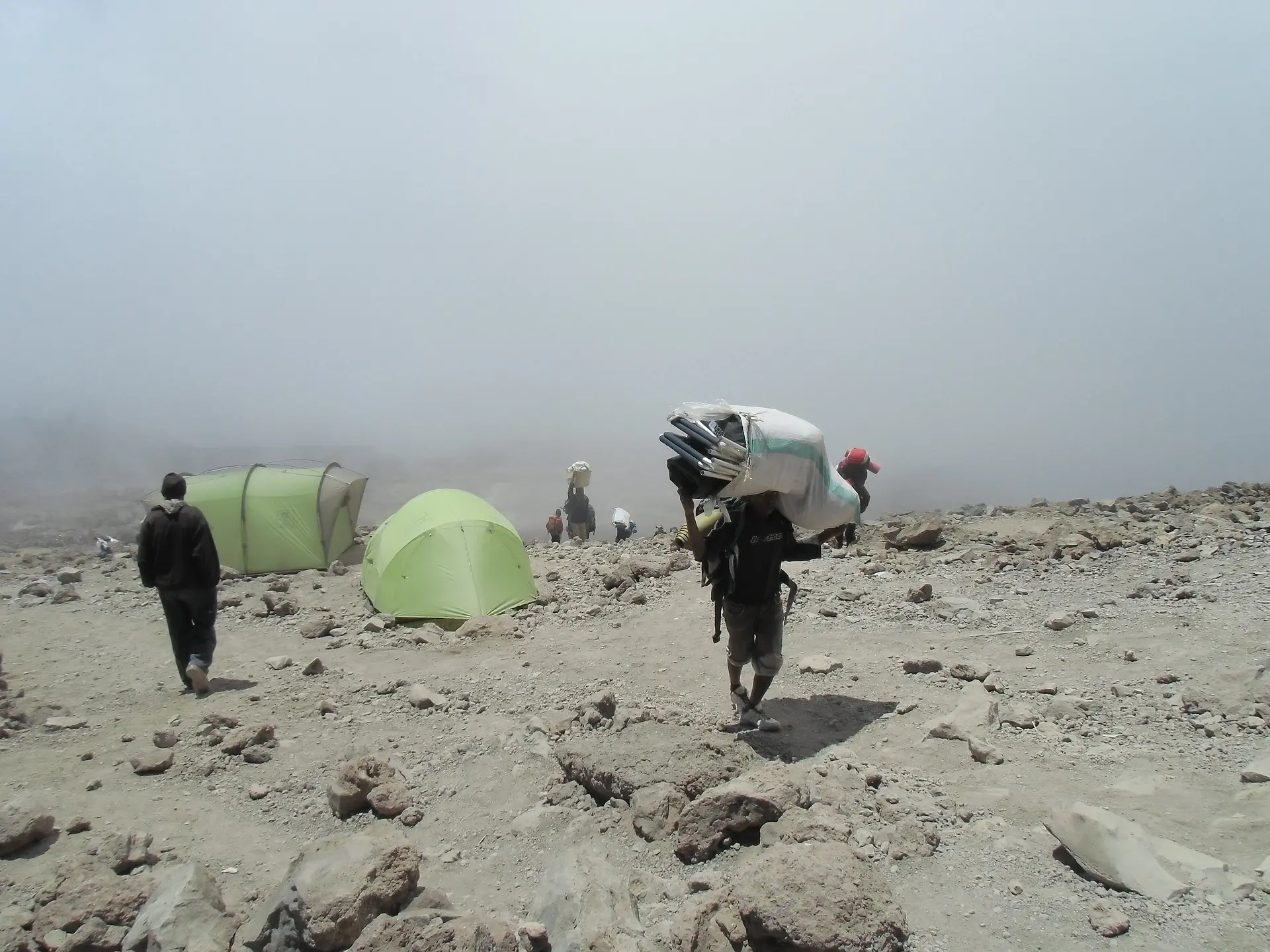
The Most Important Facts at a Glance
- Women are not generally considered more susceptible than men to Acute Mountain Sickness or High-Altitude Cerebral Edema.
- Fitness, sex and confidence do not make anyone immune to altitude illness. Route duration and rate of ascent remain critical.
- A period is normally a logistical and comfort issue, not a reason to cancel a climb.
- Travel, stress and heavy exertion can make a cycle less predictable. Carry supplies even if your period is not expected.
- Use menstrual products that you already know and can manage safely. Kilimanjaro is not the ideal place to test a cup, disc or new medication for the first time.
- All used pads, tampons, liners, wipes and applicators must be packed off the mountain.
- Tanzania Inside Safari includes a portable private toilet at camp on its camping routes.
- Conventional showers are not available. The crew provides limited warm water for basic washing.
- During the day, privacy may mean moving discreetly away from the trail with the guide's help.
- Breathable, quick-drying underwear and a tested sports bra are more useful than cotton clothing that stays wet.
- Heavy periods, suspected iron deficiency, pregnancy, recurrent urinary infections and significant medical conditions should be discussed with a clinician before travel.
- Any intimate or reproductive-health concern can be disclosed privately. It does not need to be announced to the group.
Are Women More Likely to Get Altitude Sickness?
Current evidence does not support the broad claim that women are at higher risk. A 2023 UIAA Medical Commission review found that most studies did not identify women as having an increased risk of AMS or HACE. The CDC similarly states that sex plays little or no role in predisposition.
Women should therefore follow the same central altitude rules as every climber:
Ascend gradually and choose enough days on the mountain.
Do not ascend to a higher sleeping altitude with symptoms of altitude illness.
Descend if symptoms worsen or fail to improve at the same altitude.
Treat confusion, loss of coordination and breathlessness at rest as emergencies.
Headache, nausea, dizziness and fatigue can overlap with menstruation, migraine, dehydration, low energy intake or poor sleep. That overlap is a reason for better communication, not for dismissing symptoms. Tell the guide what is normal for you, what has changed and when it started.
Do Menstrual-Cycle Phases Change AMS Risk?
Research is limited and does not justify planning a Kilimanjaro ascent around a particular phase of the cycle. Do not assume that being premenstrual, menstruating or using hormonal contraception either protects you from altitude illness or makes it inevitable.
Your previous response to a similar altitude and ascent rate is more informative, although it is never a guarantee.
Periods on Kilimanjaro
Menstruating on the mountain is manageable. The main challenges are clean hands, product changes, waste storage, privacy and cramps while walking.
Pack the products you use at home, plus more than the calculated minimum. A delayed flight, an unexpected change in timing or heavier flow should not leave you dependent on finding a preferred brand in Moshi at the last minute.
Comparing Menstrual Products on the Mountain
| Product | Advantages | Mountain limitations | Best preparation |
|---|---|---|---|
| Pads or liners | Familiar, no internal insertion, easy to monitor | Bulky waste; can move, retain moisture or cause chafing | Test with hiking underwear; pack each in a small clean bag |
| Tampons | Compact and convenient while walking | Require clean hands and regular changes; all waste must be packed out | Follow package directions; carry enough for 4-8-hour changes |
| Menstrual cup or disc | Low waste and longer capacity for experienced users | Cleaning and reinsertion are harder with limited water and cold hands | Use only if already confident with fit, emptying and cleaning |
| Period underwear | Useful backup and comfortable for some people | Washing and fully drying it at altitude can be difficult | Bring multiple pairs and a sealed system for used items |
No product is universally best. Familiarity matters more than trends.
Tampon Safety
The US Food and Drug Administration advises users to wash their hands before and after insertion, use the lowest absorbency needed, change a tampon every four to eight hours and never wear one for more than eight hours.
Summit night and the long descent can exceed that interval. Plan a discreet change stop rather than deciding in advance to leave a tampon in for the entire push. A pad or period-underwear backup can help with leaks but does not remove the need to change the tampon on time.
Sudden fever, vomiting, diarrhoea, faintness, dizziness or a sunburn-like rash during or soon after a period requires urgent medical attention, particularly when a tampon has been used. These can be signs of the rare but serious Toxic Shock Syndrome and should not be labelled as “just altitude”.
Menstrual Cups and Discs
A reusable cup can work well for an experienced user, but only if you can empty, clean and reinsert it hygienically. Practise well before travel, including on long hikes. Bring the manufacturer's cleaning instructions, a backup product and enough safe water for hand hygiene.
Do not rinse a cup directly into a stream or leave menstrual fluid or wash water near a water source. Follow the guide's waste instructions and park environmental rules.
Period Pain and Heavy Bleeding
If your periods are normally very painful or heavy, discuss a plan with your clinician before travel. Confirm which pain relief is safe for you at altitude and compatible with any other medicine. Do not borrow another climber's prescription.
Seek medical advice before the trip if you soak products unusually quickly, pass large clots, feel faint, have shortness of breath out of proportion to effort or suspect anaemia. On the mountain, tell the guide about unusually heavy bleeding, severe pelvic pain, weakness or faintness.
How to Pack and Remove Menstrual Waste
Nothing containing plastic, blood or human waste should be buried or left in a park toilet unless the guide confirms an approved disposal system. Pack used menstrual products out with you.
A simple two-bag method works well:
- Clean bag: fresh products, hand sanitiser, tissue and clean underwear in a waterproof zip pouch.
- Waste bag: an opaque, heavy-duty resealable bag, lined with a second bag. Add small disposal bags for individual items.
Keep both in an accessible section of your daypack. A strip of opaque tape around the waste bag adds privacy. Do not ask a porter to handle loose personal hygiene waste.
At camp, ask the guide where the sealed waste should be stored until it can be removed from the mountain. Do not burn products yourself.
Toilets and Urinating During the Trek
Tanzania Inside Safari includes a portable private toilet on camping routes such as Machame, Lemosho, Rongai and the Northern Circuit. The toilet is enclosed in a small privacy tent and managed at camp by the crew. It is more private and usually cleaner than relying only on public long-drop toilets.
The campsite is still shared, and the portable toilet does not follow the climber along the trail. During trekking hours, you may need a natural toilet stop.
A Discreet Daytime Stop
Tell the guide that you need a private stop. There is no need to explain further. The guide can identify an appropriate place, slow the party or ask others to continue a short distance. Stay within a safe, agreed area; do not disappear alone behind terrain where the guide cannot locate you.
Carry:
- Toilet tissue in a waterproof bag
- Hand sanitiser
- A sealable waste bag
- A reusable pee cloth, if preferred
- A female urination device, if practised
Pack out tissue and wipes. Urinate well away from camps, paths and water sources, following the guide's instructions.
Female Urination Devices
A funnel can reduce the need to remove several layers and can be valuable in rain, cold or exposed terrain. It is not compulsory, and it requires practice.
Test it at home, then outdoors while wearing the exact underwear, base layer, trousers and waterproof shell planned for Kilimanjaro. Practise controlling clothing, positioning the device and rinsing or storing it without contaminating clean gear.
Night-Time Urination
Altitude acclimatization, drinking and acetazolamide can all increase night-time urination. Leaving a warm tent repeatedly can be unpleasant.
Some women use a funnel with a clearly marked, wide-opening bottle or purpose-made system. Practise before the trip and choose a container that cannot be confused with drinking water. Use a secure lid, keep it upright and empty it only where the guide directs in the morning.
The private toilet remains available at camp. A night bottle is optional convenience, not an expectation.
Preventing Urinary and Genital Irritation
Women experience urinary tract infections more frequently than men. Mountain travel can create unhelpful habits: delaying urination, wearing damp clothing and reducing fluid intake to avoid toilet stops.
Practical precautions include:
- Do not deliberately dehydrate yourself to urinate less.
- Tell the guide when you need a toilet stop.
- Wipe from front to back.
- Change out of wet base layers and underwear at camp.
- Use unscented products and avoid douches or fragranced intimate sprays.
- Keep wiping products separate from anything used after bowel movements.
- Wash or sanitise hands before inserting a tampon, cup or disc.
- Wear underwear that fits without rubbing and allows moisture to escape.
Burning while urinating, frequent urgency with little output, cloudy or bloody urine, lower abdominal pain, fever or back pain should be reported. A UTI can progress and is not something to hide until the summit.
If you have recurrent UTIs, ask your clinician for a personalised travel plan. Do not take leftover antibiotics or self-diagnose every urinary symptom.
Washing Without Showers
Standard Kilimanjaro camps do not have conventional showers. The crew provides limited warm water for basic washing, commonly in the morning and/or at camp depending on conditions and the itinerary.
Prioritise:
Hands before eating and managing menstrual products
Face, underarms and external genital area
Feet, especially around blisters
Any area affected by sweat or chafing
Use a small quick-drying cloth and a limited amount of mild, unscented soap. Wash only the external vulva; internal washing and douching are unnecessary and can cause irritation.
Biodegradable soap does not mean it belongs in streams or on vegetation. Use it only where the crew directs. Wipes must be packed out, even when labelled biodegradable or flushable.
Hair Care
Braids, a simple tied style, a buff or a hat can reduce daily work. Pack a small comb, hair ties and only the products you genuinely need. Dry shampoo is optional but can irritate some scalps and adds waste.
Avoid a dramatic new hairstyle or treatment immediately before departure if you do not know how it behaves under hats, sweat and several days without normal washing.
Skin and Lips
Kilimanjaro combines strong ultraviolet exposure, wind, cold and dry air. Bring broad-spectrum sunscreen, SPF lip balm and a small unscented moisturiser. Apply sunscreen to the neck, ears and exposed scalp as well as the face.
If you are prone to eczema, contact dermatitis or reactions to adhesives and hygiene products, test everything before travel and discuss flare management with a clinician.
Women's Clothing: Fit Matters More Than the Label
Women's mountain clothing does not need to be pink, fitted or sold in a women-only range. It needs to fit your body, manage moisture and work as a complete layering system.
Sports Bras
Bring two or three tested, quick-drying sports bras, depending on the itinerary and your preference. Moderate support is sufficient for many walkers, while some prefer higher support on uneven descents.
Check the bra under your backpack while climbing stairs or hiking for several hours. Straps and adjusters should not sit directly under shoulder straps, and the band should not rub beneath the hip-belt area or when damp. Avoid underwires if they create pressure during long days.
Save one dry bra or comfortable base layer for summit night. Some climbers prefer a soft, low-compression bra for sleeping; others sleep without one inside their private tent.
Underwear
Choose breathable, quick-drying underwear with flat seams. Merino or technical synthetic fabric usually dries faster than cotton. Pack enough to change when damp, after a hygiene incident or at least as often as your personal plan requires.
Test underwear beneath both trekking trousers and thermal leggings. Period products can change the fit, so test that combination too.
Base and Mid Layers
Your basic system should include:
- Moisture-wicking long-sleeved base tops
- Thermal leggings or long underwear
- Fleece or similar insulating mid layer
- Insulated jacket
- Waterproof and windproof shell jacket
- Waterproof over-trousers that fit over all lower layers
Avoid cotton as the main next-to-skin layer because it absorbs moisture and dries slowly. Put on dry clothing soon after reaching camp.
Trousers and Leggings
Technical leggings can be comfortable, but thin yoga tights may provide little wind protection, pocket space or durability. Trekking trousers with stretch are often more practical.
Make sure you can squat comfortably, step high on the Barranco Wall and use a toilet while wearing the complete system. Side zips or full-length waterproof-trouser zips can make changes easier without removing boots.
Gloves and Cold Hands
Women are not automatically destined to have colder hands, but fit and circulation matter. Gloves that are too tight become less effective, particularly when liners are added.
Use a layered system:
- Thin liner gloves for dexterity
- Insulated gloves or mittens
- Waterproof outer protection if the main glove is not weatherproof
Practise opening food, adjusting poles and managing toilet clothing while wearing liners. Chemical hand warmers are optional backup, not a replacement for proper insulation.
Boots, Feet and Blister Prevention
Buy boots for your actual foot shape rather than choosing a men's or women's label automatically. There should be room for toes to move on long descents without the heel lifting excessively.
Before Kilimanjaro, test the exact combination of:
- Liner sock, if used
- Trekking sock
- Footbed or orthotic
- Boot
- Gaiter
Feet can swell during long days. Trim nails, manage hot spots early and tell the guide before a small rub becomes a large blister. Do not arrive with new boots.
Essential Equipment Checklist
In Your Daypack
- 25-35 litre daypack with rain cover
- Reusable water capacity as advised by the operator
- Waterproof jacket and trousers
- Warm fleece and insulated jacket
- Sun hat, warm hat and neck gaiter
- Gloves and liners
- Sunglasses and sunscreen
- Snacks
- Head torch and spare batteries
- Personal medicines
- Toilet kit and sealed waste bags
- Menstrual supplies, whether or not your period is expected
- Emergency dry bag containing underwear and a base layer
In Your Duffel
- Sleeping bag suitable for sub-zero mountain nights
- Remaining base layers and trekking clothing
- Dry summit-night clothing reserved in a waterproof bag
- Sports bras and quick-drying underwear
- Camp shoes
- Hygiene supplies and spare menstrual products
- Power bank and charging cables
- Repair items and spare laces
Tanzania Inside Safari normally limits the client duffel carried by porters to 15 kg. Confirm the current allowance in your proposal and weigh the packed bag before departure.
Iron, Nutrition and Energy Availability
Women with heavy menstrual bleeding, a vegetarian or vegan diet, a history of iron deficiency, persistent fatigue or previous anaemia should discuss screening with a clinician well before travel. Haemoglobin carries oxygen, and untreated anaemia can reduce exercise capacity and complicate how you feel at altitude.
The UIAA nutrition review found that evidence specific to women remains limited, but adequate food and fluid are important because altitude can combine greater energy expenditure with reduced appetite. It notes that iron supplementation may be considered for women who are iron depleted before travel.
Do not start high-dose iron “just in case”. It can cause gastrointestinal side effects, and the correct dose depends on diagnosis. Testing and clinician guidance are preferable.
On the mountain:
- Eat something at each meal even if appetite falls.
- Carry familiar, energy-dense snacks.
- Tell the cook early about dietary restrictions.
- Do not force excessive water in the belief that it prevents AMS.
- Report repeated vomiting or inability to eat and drink.
Low energy availability is not a sign of toughness. It reduces warmth, recovery and performance.
Hormonal Contraception and Cycle Control
Some climbers ask whether they should start, stop or change hormonal contraception to avoid menstruation during the trek. Do not make that decision from a travel blog.
A 2024 UIAA Medical Commission review concluded that hormonal contraception does not appear to alter AMS risk and that menstrual suppression at altitude is commonly used. The evidence on contraceptive effectiveness, performance and thrombosis during short high-altitude trips remains limited.
Estrogen-containing contraception has an existing blood-clot risk that could theoretically be compounded by hypoxia and other travel factors.
The practical recommendation is:
- Continue a familiar, appropriately prescribed method unless your clinician advises otherwise.
- Discuss personal clotting risks, migraines with aura, smoking, previous thrombosis and long-haul travel with a clinician.
- Do not begin an unfamiliar method immediately before departure simply to suppress a period.
- Carry medication in hand luggage and bring enough for travel delays.
- Know what to do if vomiting or diarrhoea could affect an oral method's reliability.
Sudden one-sided leg swelling or pain, chest pain, coughing blood or unexplained breathlessness requires urgent medical assessment. Breathlessness at rest is also an altitude emergency and must be reported immediately.
Pregnancy and Possible Pregnancy
Kilimanjaro's summit is 5,895 metres and evacuation can take time. This is not equivalent to a short visit to a moderate-altitude resort.
The CDC advises caution with high-altitude travel in pregnancy and states that it may be prudent for pregnant travellers not to sleep above approximately 3,050 metres. Every standard Kilimanjaro summit itinerary sleeps well above that level.
Anyone who is pregnant, could be pregnant or is trying to conceive should speak with an obstetric clinician and an altitude-medicine professional before booking. A high-risk pregnancy is a contraindication to high-altitude travel in CDC guidance. Do not rely on operator reassurance as medical clearance.
If a period is unexpectedly late before departure, take a pregnancy test and seek appropriate advice before starting the trek.
Breastfeeding and the Postpartum Period
Postpartum recovery, feeding, sleep deprivation, energy requirements, pelvic-floor symptoms, surgical recovery and thrombosis risk vary greatly. Kilimanjaro should not be treated as an ordinary fitness goal soon after childbirth.
Discuss timing, milk supply, hydration, medication compatibility, expressing and storage logistics with your clinician. The operator cannot provide refrigeration or sterile milk-storage conditions on a standard climb.
Menopause and Perimenopause
Menopause is not in itself a reason to avoid Kilimanjaro. A 2024 UIAA review found that menopause has minimal effect on physiological responses to hypoxia in physically fit women and does not appear to increase AMS risk, although available evidence is limited.
Hot flushes can complicate clothing decisions: vent layers early, then replace insulation before becoming chilled. Sleep disturbance may combine with normal high-altitude sleep disruption.
Postmenopausal women have a greater background risk of UTIs. Anyone with recurrent infection, osteoporosis, pelvic-floor symptoms or significant menopausal symptoms should discuss a mountain plan with a clinician.
Medication and the Personal Medical Kit
Bring all regular medication in original or clearly labelled packaging, divided safely between hand luggage and backup storage where appropriate. Carry a written medication list, allergies and key medical history.
Discuss before travel:
- Prescription pain relief for severe menstrual symptoms
- Contraception and cycle suppression
- Acetazolamide suitability
- Migraine treatment
- Recurrent UTI management
- Iron deficiency or anaemia
- Asthma, diabetes, heart or lung disease
- Any medicine requiring refrigeration
Do not test a new prescription at high camp. Tanzania Inside Safari carries group first-aid supplies and emergency oxygen, but those do not replace personal medication or professional pre-travel advice.
Privacy, Communication and Guide Support
Professional care includes making it easy to report sensitive concerns. At the pre-climb briefing, identify the guide or operations contact you would prefer to approach privately.
You can say:
- “I need a private toilet stop.”
- “I need time to change a menstrual product.”
- “I have pelvic pain that is not normal for me.”
- “I am bleeding more heavily than usual.”
- “I have burning when I urinate.”
- “I need to discuss a private medical issue.”
A trained guide does not need intimate detail to protect your privacy and arrange a stop, but medically relevant information must not be hidden. If you would prefer a female guide or another specific staffing arrangement, ask during planning. Availability must be confirmed rather than assumed.
Private climbs can offer more control over stops and sleeping arrangements. Group climbs can provide valuable companionship. In either format, trails and camps remain shared public spaces.
Route Choice for Women
There is no “women's route”. Choose according to acclimatization, duration, terrain, privacy preference and experience.
| Route | Sensible duration | Accommodation | Practical character |
|---|---|---|---|
| Lemosho | 8 days | Tents | Gradual western approach, varied scenery and strong all-round profile |
| Northern Circuit | 9 days | Tents | Longest and often quietest standard circuit; more days to manage hygiene |
| Machame | 7 days | Tents | Popular, scenic and includes the Barranco Wall; camps can be busy |
| Rongai | 7 days | Tents | Quieter northern approach and generally drier character |
| Route | Sensible duration | Accommodation | Practical character |
|---|---|---|---|
| Marangu | 6 days | Shared huts | No tents, but dormitories and toilets are communal |
| Umbwe | 6-7 days | Tents | Steep, rapid opening; best reserved for experienced or pre-acclimatized climbers |
For most first-time high-altitude climbers, route length matters more than whether huts sound more comfortable. Marangu's buildings do not improve its altitude profile, and shared dormitories may offer less privacy than a camping route.
Summit-Night Planning for Women
Summit night usually begins around midnight and can continue for 12-17 hours including the descent to a lower camp. Prepare everything before resting:
- Put on or set out the complete tested layering system.
- Keep menstrual products and waste bags accessible, not buried in the duffel.
- Use the toilet immediately before departure.
- Confirm how to request a private stop.
- Keep lip balm, snacks and medication reachable with gloves on.
- Use bottles that will not freeze as easily as an exposed hydration tube.
- Secure long hair beneath a hat or buff.
- Choose underwear and a sports bra that will not create pressure over many hours.
Do not avoid drinking because toilet stops feel inconvenient. Equally, do not force excessive water. Drink regularly according to thirst, conditions and the guide's plan.
A Women's Pre-Departure Checklist
Eight to Twelve Weeks Before
- Choose a seven-day or longer itinerary where possible.
- Begin progressive hiking and strength training.
- Break in boots and test poles.
- Discuss heavy periods, anaemia, recurrent UTIs or medical conditions with a clinician.
- Review contraception and medication; do not make last-minute changes.
Two to Four Weeks Before
- Complete long training hikes wearing the actual bra, underwear, trousers and backpack.
- Practise with a urination device, cup or night bottle if using one.
- Weigh the duffel and remove duplicates.
- Prepare clean and waste hygiene bags.
- Check insurance for trekking to at least 6,000 metres and altitude-related evacuation.
At the Moshi Briefing
- Confirm the portable private toilet.
- Confirm tent occupancy and request a single tent if desired.
- Identify a private point of contact for medical concerns.
- Declare allergies, dietary needs and medication.
- Ask how toilet stops and personal waste are managed.
- Let the guide inspect all summit layers and equipment.
Frequently Asked Questions
Can I climb Kilimanjaro during my period?
Usually, yes. A normal period is not an altitude illness. Prepare products, clean-hand procedures, waste bags and pain management. Seek medical advice for very heavy or unusually painful bleeding.
Will altitude make my period start?
Cycle timing can change around travel, stress, exertion and disrupted routines, but it is not accurate to promise that altitude will cause menstruation. Carry supplies whether or not your period is expected.
Are pads or a menstrual cup better?
The product you already manage reliably is usually best. Pads create more waste; cups require clean hands, safe water and confident technique. Bring a backup.
Can I take medication to delay my period?
Only after discussing your medical history and timing with a clinician. Do not begin an unfamiliar hormonal method immediately before the climb based on internet advice.
Will I have a private toilet?
Tanzania Inside Safari includes a portable private toilet at camp on camping routes. Daytime trail stops still require natural privacy. Marangu uses communal hut facilities.
Will I have a private tent?
Tent occupancy depends on the booking. Solo private clients normally use their own sleeping tent; group clients may share unless a single tent is confirmed. Ask for the arrangement in writing.
Can I request a female guide?
You may request one during planning, but availability must be confirmed. Regardless of staffing, the operator should provide a clear and discreet way to raise personal concerns.
Should I take iron before climbing?
Not without evidence that you are iron deficient or advice from a clinician. Testing is more useful than guessing, and iron supplements can cause side effects.
Does a low SpO2 reading mean I must descend?
One reading is not interpreted alone. The guide considers symptoms, trend, behaviour, breathing and walking function. Serious symptoms can require descent even when a number appears acceptable.
Tanzania Inside Safari's Approach
At Tanzania Inside Safari, we want women to arrive informed rather than embarrassed by unanswered questions. Our Kilimanjaro preparation and mountain systems include:
- Tailored route and itinerary advice
- A pre-climb briefing and equipment inspection
- Professional local mountain guides
- Regular symptom, pulse and oxygen-saturation checks
- Private, discreet communication about health and hygiene
- A portable private toilet on camping routes
- Sleeping tents, mattresses and dining support on camping routes
- Mountain meals and treated drinking water
- Emergency oxygen and group first-aid equipment
- Guide authority to stop, descend or evacuate when necessary
We cannot guarantee acclimatization or a summit. We can provide careful planning, appropriate support and decisions that place health above summit statistics.
Plan Your Kilimanjaro Climb
Tell us your preferred dates, trekking experience, available days, medical or dietary considerations and any privacy or staffing request that matters to you. Our local team will recommend an itinerary and explain the camp arrangements before you book.
Research and Further Reading
- Tanzania Inside Safari - Machame route, inclusions and camp arrangements
- CDC Yellow Book - high-altitude travel and altitude illness
- UIAA Medical Commission - Women's Health at High Altitude series
- PubMed - AMS and HACE in women
- PubMed - nutrition in women at high altitude
- PubMed - hormonal contraception and menstrual-cycle control at altitude
- PubMed - menopause and high altitude
- FDA - tampon safety
- US Office on Women's Health - urinary tract infections
- Follow Alice - Kilimanjaro packing and women's toiletries
Medical disclaimer: This article provides general educational and planning information. It is not a substitute for individual medical advice, diagnosis or treatment. Consult a qualified medical or travel-health professional before a high-altitude climb, especially regarding pregnancy, contraception, anaemia, recurrent infections or prescription medication.