
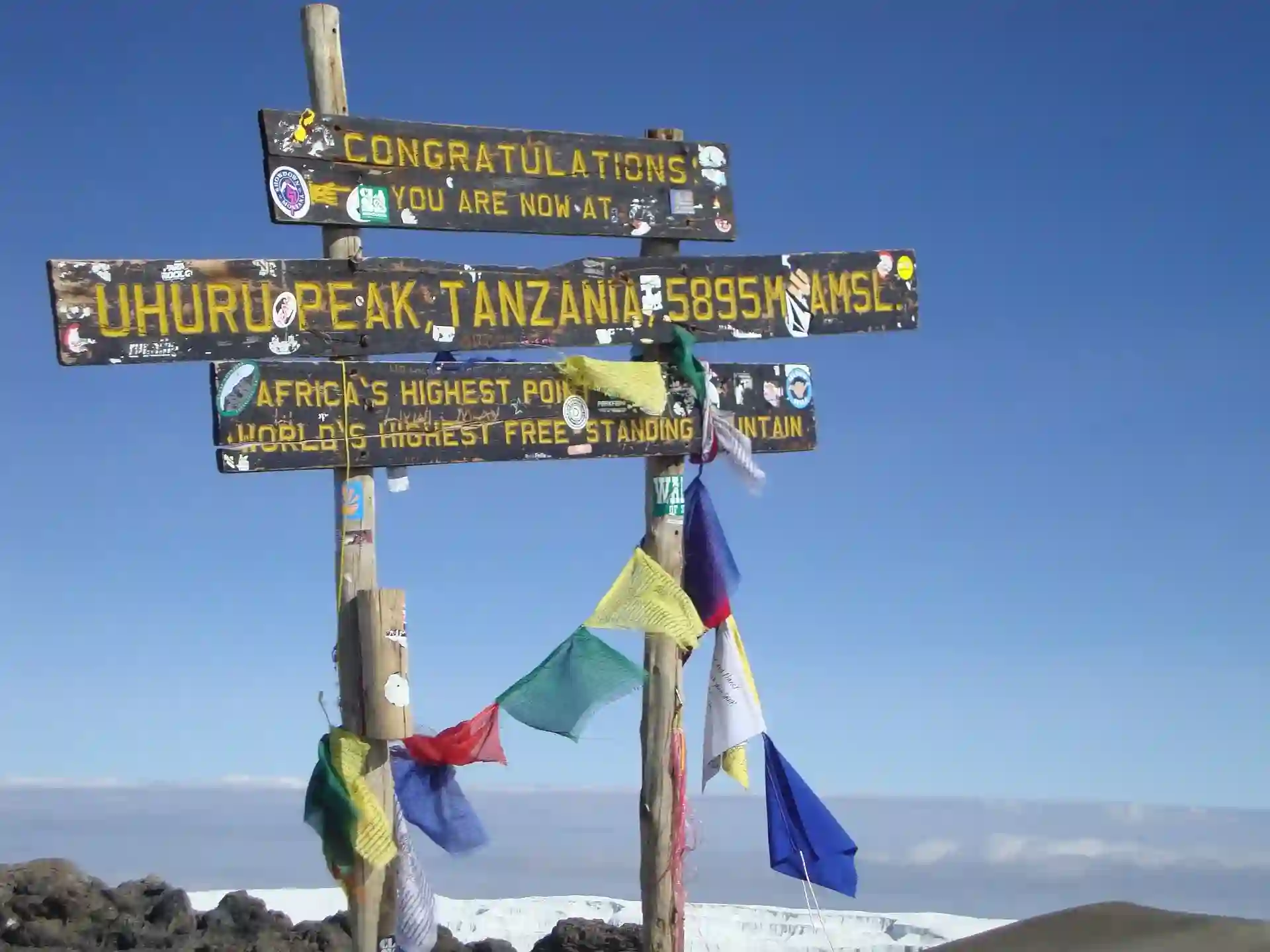


What to Do After Climbing Kilimanjaro
How to combine your climb with safari, Zanzibar, chimpanzee trekking, cultural tours and the recovery time your body needs.
The Short Answer
- Keep the included post-trek decompression day for sleep, food, hydration, laundry and repacking.
- Choose safari for wildlife, comfortable vehicle-based exploration and a natural continuation through northern Tanzania.
- Choose Zanzibar for warm weather, the Indian Ocean and the gentlest physical recovery.
- Choose cultural tours for flexible half-day or full-day experiences close to Moshi, Arusha or the safari circuit.
- Choose Gombe or Mahale for a rare chimpanzee experience only when your schedule allows additional flights, boats and forest walking.
- Do not book an inflexible onward flight immediately after the expected gate return.
- Seek medical care for persistent breathlessness at rest, confusion, loss of coordination, chest symptoms, severe weakness or worsening illness.
First: Use the Decompression Day
Tanzania Inside Safari includes a decompression day after the trek. The company's current Machame programme describes this as time to unwind, process the experience and choose optional activities only if you feel ready. See the complete Tanzania Inside Safari Machame itinerary.
Use this day to:
- Sleep without an early start
- Shower and change into clean clothing
- Eat normal meals and drink according to thirst
- Dry, clean and reorganise equipment
- Arrange laundry before safari or Zanzibar
- Check feet, knees and any blisters
- Report persistent symptoms
- Confirm flights, transfers and the next hotel
Recovery is not laziness. It creates a buffer if the mountain descent, gate procedures, weather or road transfer takes longer than expected.
What Is Normal After the Climb?
General fatigue, sore legs, mild stiffness, dry skin, disturbed sleep and a temporarily reduced appetite can follow a strenuous expedition. These should gradually improve with descent, food, rest and normal hydration.
Altitude symptoms usually improve after returning to lower elevation. However, improvement does not prove that every problem has resolved.
When to Seek Medical Help
Arrange prompt medical assessment for:
- Breathlessness while resting
- Confusion, unusual behaviour or loss of coordination
- Chest pain, chest congestion or a worsening cough
- Fainting or reduced consciousness
- Persistent vomiting or inability to drink
- Severe headache that does not improve
- Significant frostbite, injury or infection
Do not continue to a remote safari camp, island resort or western Tanzania park while a serious symptom remains unexplained.
Which Post-Climb Option Is Best?
| Option | Best for | Physical demand | Suggested time |
|---|---|---|---|
| Moshi recovery | Rest, laundry and simple local activities | Very low | 1-2 days |
| Northern safari | Wildlife and varied landscapes | Low to moderate | 3-7+ days |
| Zanzibar | Beach recovery, culture and ocean activities | Low and flexible | 4-7+ nights |
| Cultural tour | Local history, food and community experiences | Flexible | Half day to several days |
| Gombe chimpanzee trekking | Jane Goodall history, Lake Tanganyika and forest trekking | Moderate | Several days plus travel |
| Mahale chimpanzee trekking | Remote wilderness, chimpanzees and Lake Tanganyika | Moderate | Usually 5+ days |
The right choice depends less on which destination is “best” and more on how you want to feel after the mountain.
Option One: A Northern Tanzania Safari
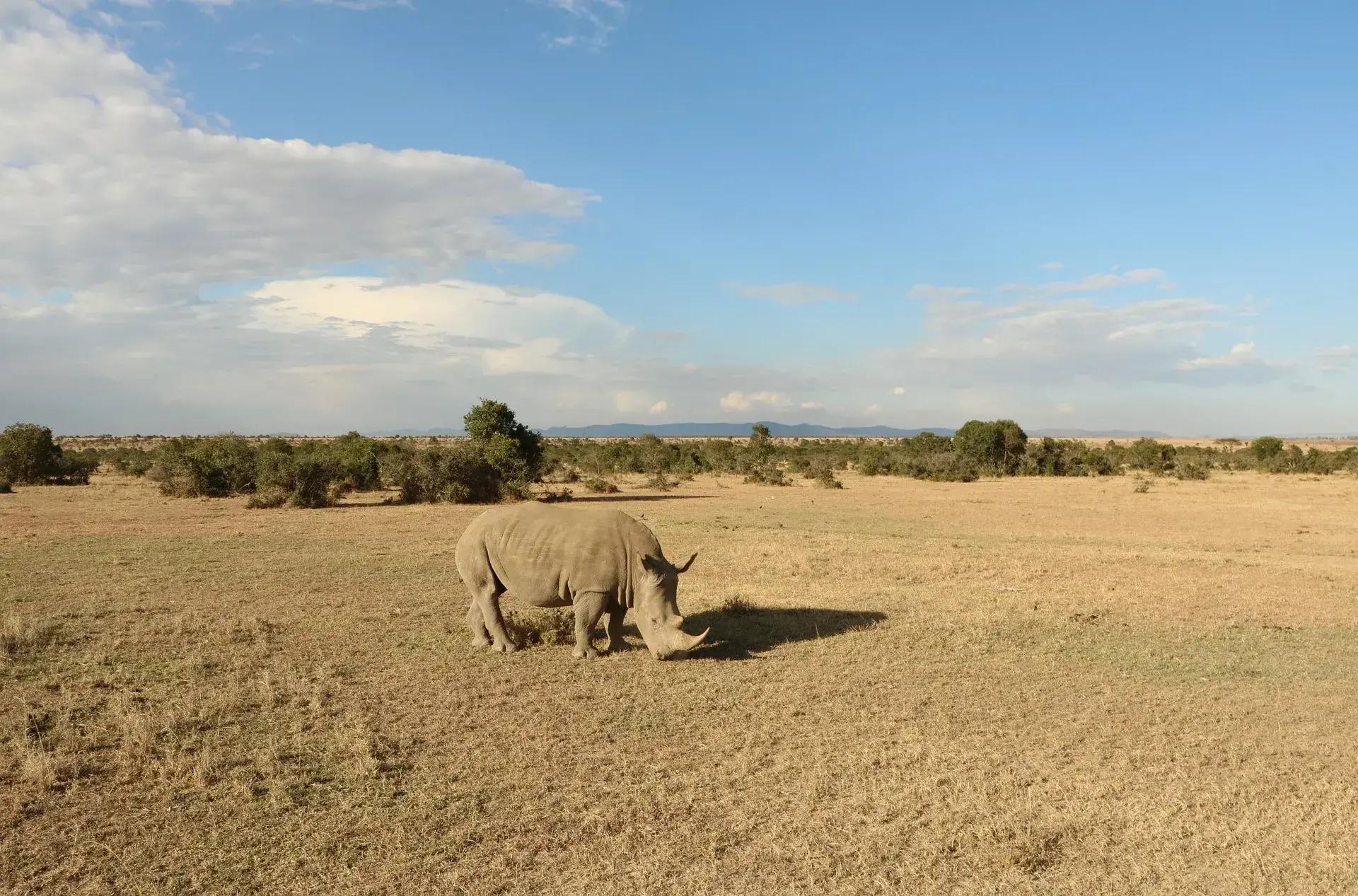
A safari is the most natural extension after Kilimanjaro. Moshi and Arusha connect easily with the northern circuit, and most wildlife viewing takes place from a private 4x4 vehicle rather than on foot.
Tanzania Inside Safari can combine the climb with:
- Tarangire National Park
- Lake Manyara National Park
- Ngorongoro Crater
- Serengeti National Park
- Arusha National Park
- Mkomazi National Park
- Lake Natron and other tailored destinations
The company's website specifically presents Arusha National Park, Tarangire, Ngorongoro and Mkomazi as possible post-climb day-trip or safari options. Its wider portfolio includes family, honeymoon, cultural and cross-country safaris.
Why Safari Works Well After Kilimanjaro
- The driving days allow tired legs to recover.
- Wildlife provides a completely different rhythm from trekking.
- Arusha is close to Moshi and links naturally with Tarangire and Ngorongoro.
- The itinerary can be short or expanded into the Serengeti.
- Lodges or tented camps provide beds, showers and regular meals.
Safari is not entirely passive. Early starts, rough roads and long game drives can still be tiring. A private itinerary gives more control over departure times, stops and the balance between wildlife viewing and rest.
How Many Safari Days?
Two to three days can cover a compact Tarangire and Ngorongoro experience. It is useful when total holiday time is limited, but road time will be concentrated.
Four to five days creates a more balanced circuit and may include Tarangire, Ngorongoro and the Serengeti, depending on route and accommodation.
Six to eight days gives more time in the Serengeti, slower transitions and a stronger wildlife focus.
Travel times, migration location and seasonal road conditions should shape the final route.
Choose the Safari by Season
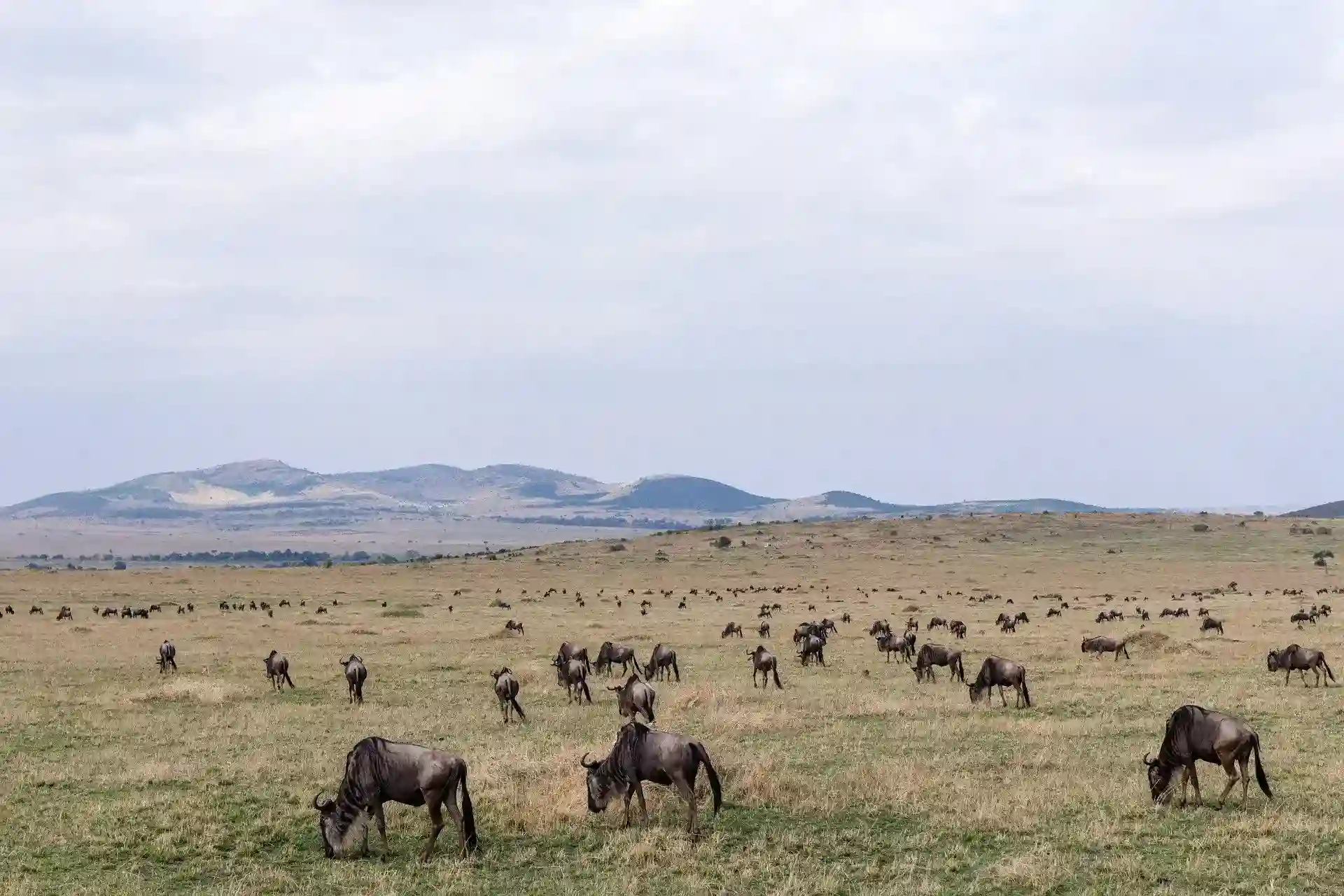
From approximately December to March, the wildebeest herds are often associated with the southern Serengeti and Ndutu ecosystem, with calving concentrated during the early part of the year. From roughly July to October, many travellers focus on the northern Serengeti and possible river crossings. Wildlife remains present year-round, but no specific sighting or crossing can be guaranteed.
Tarangire is especially rewarding in the drier months as wildlife gathers around reliable water, while green-season travel offers fresh landscapes, young animals and lower visitor numbers in many areas.
Option Two: Zanzibar Beach Recovery
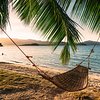
Zanzibar is ideal when the main goal is warmth, rest and a complete change of scenery. Flights connect northern Tanzania with the Zanzibar archipelago, although schedules and baggage allowances must be checked for the travel date.
A well-paced Zanzibar stay can include:
- Beach time and swimming
- Stone Town
- A spice-farm visit
- A sunset dhow experience
- Snorkelling or diving when conditions and fitness are suitable
- Prison Island or other boat excursions
- Quiet resort days with no scheduled activity
How Long Should You Stay?
Four nights provides a short beach extension. Five to seven nights allows a better balance between Stone Town, cultural excursions and genuine rest. Longer stays suit honeymooners, families and travellers who want several unstructured days.
Do not schedule every day. The value of Zanzibar after Kilimanjaro is having permission to do very little.
Stone Town First or Beach First?
Stone Town works well for one or two nights when you want history, food and architecture before moving to a beach resort. Travellers who are extremely tired may prefer to reach the beach first and schedule cultural touring after a full rest day.
The best beach area depends on season, tides, atmosphere and preferred activities. Some coasts have pronounced tidal changes; others are chosen for swimming, diving, nightlife or seclusion. Tanzania Inside Safari can match the hotel location and meal plan to the traveller rather than treating every Zanzibar beach as interchangeable.
Flying After Kilimanjaro
Most healthy climbers can fly after returning to low elevation, but serious altitude illness, chest symptoms, injury or persistent breathing difficulty requires medical advice. Domestic flights may use smaller aircraft with stricter baggage limits than the international journey, so repacking in Moshi is important.
Option Three: Cultural Tours Across Tanzania
Cultural experiences work particularly well when travellers want meaningful activity without another major expedition. They can be added near Moshi, Arusha, the Rift Valley, Lake Eyasi, Zanzibar or other parts of the itinerary.
Possible experiences include:
- Materuni village, waterfall and coffee traditions
- Maasai community visits arranged respectfully
- Mto wa Mbu food, farming, cycling or village experiences
- Hadzabe and Datoga experiences around Lake Eyasi
- Stone Town history and Zanzibar spice culture
- Local markets, cooking, crafts and community-led walks
The quality of a cultural tour depends on consent, interpretation and benefit to the host community. Avoid visits that reduce people to a staged photograph. Ask who leads the experience, how revenue is shared, what photography rules apply and what travellers are expected to learn.
Materuni and Chemka After the Climb
Materuni offers Chagga culture, coffee and a waterfall landscape near Moshi. The walk can be slippery and more tiring than expected for sore legs. Chemka Hot Springs offers a more relaxed outing, though transfers, swimming ability and current site conditions still matter.
Both should remain optional during the decompression day. Rest or medical care comes first.
Option Four: Chimpanzee Trekking in Gombe
Gombe National Park lies on the shore of Lake Tanganyika near Kigoma. It is famous for the long-term chimpanzee research associated with Jane Goodall. The park is reached by boat and exploration is on foot through steep forested terrain.
Tanzania Inside Safari organises Gombe programmes from Dar es Salaam and Arusha, including flight and boat logistics according to the selected itinerary.
Why Choose Gombe?
- Historic connection to chimpanzee research
- Forest walking and primate encounters
- Lake Tanganyika scenery
- A smaller park with a focused experience
Chimpanzee sightings are never guaranteed. Tracking time and difficulty depend on where the chimpanzees move, weather, trail conditions and guidance from park staff.
Is Gombe Good Immediately After Kilimanjaro?
Gombe requires more travel and walking than a northern safari or beach stay. It is best after a genuine recovery period, especially for climbers with sore knees, blisters or fatigue. Flight schedules to Kigoma and boat arrangements can determine the programme length, so it should be planned before the international trip rather than improvised at the gate.
Option Five: Chimpanzee Trekking in Mahale
Mahale Mountains National Park is a remote western Tanzania wilderness on Lake Tanganyika. The park has no conventional road network for visitor game drives; access and internal logistics rely heavily on aircraft and boats, and chimpanzee tracking takes place on foot.
Mahale combines:
- Chimpanzee trekking
- Forested mountain scenery
- Lake Tanganyika beaches
- Exceptional remoteness
- A slower lodge-based wilderness experience
Why Mahale Needs More Time
Mahale is not a quick add-on. Flight frequency, boat transfers, lodge operating periods and cost make it more suitable for travellers with several additional days. Its isolation is part of the appeal, but also the reason every connection should be coordinated carefully.
Compared with Gombe, Mahale often suits travellers seeking a deeper remote-wilderness stay. Gombe may fit a shorter western Tanzania programme more easily, depending on flights.
Safari, Zanzibar or Chimpanzees: A Practical Comparison
| Question | Safari | Zanzibar | Gombe or Mahale |
|---|---|---|---|
| Best for immediate physical recovery? | Good, especially with a private vehicle | Excellent | Less suitable without extra rest |
| Main experience | Wildlife and landscapes | Beach, ocean and Swahili culture | Forest trekking and primates |
| Walking required | Usually limited | Optional | Essential and sometimes steep |
| Logistics from Moshi | Road via Arusha or flight | Usually flight | Multiple flight and boat connections |
| Ideal traveller | First-time Tanzania visitor, photographer, family | Honeymooner, couple, family, beach lover | Wildlife specialist or repeat Africa traveller |
| Main planning risk | Too much driving in too few days | Over-scheduling and tide assumptions | Tight connections and insufficient recovery |
Sample Post-Climb Itineraries
Three-Day Compact Safari
Day 1: Decompression day in Moshi. Day 2: Tarangire or Lake Manyara, overnight near the Rift Valley. Day 3: Ngorongoro Crater, then Arusha or Moshi. Day 4: Airport transfer or onward travel.
This works for limited time but should not be described as a complete Serengeti circuit.
Five-Day Northern Safari
Day 1: Decompression day in Moshi. Day 2: Tarangire. Day 3: Ngorongoro and transfer towards the Serengeti. Day 4: Serengeti game viewing. Day 5: Serengeti and onward arrangements. Day 6: Fly or drive according to the confirmed plan.
Exact sequencing should follow season, flight availability and lodge location.
Six-Night Zanzibar Recovery
Day 1: Decompression day and repacking in Moshi. Day 2: Transfer to JRO and fly to Zanzibar. Days 3-6: Beach recovery with selected cultural or ocean activities. Day 7: Departure or onward stay.
Western Tanzania Chimpanzee Extension
Day 1: Decompression day. Day 2: Position for the required domestic flight. Following days: Kigoma and Gombe, or the flight-and-boat sequence for Mahale. Final day: Return connection with a sensible buffer before the international flight.
Because western Tanzania transport is schedule-dependent, a personalised itinerary is essential.
Recovery: Food, Hydration and Movement
Return gradually to normal routines:
- Drink according to thirst and urine colour; do not force excessive water.
- Eat balanced meals with carbohydrates, protein, fruit and vegetables.
- Use gentle walking and mobility rather than an intense workout.
- Treat blisters and keep damaged skin clean.
- Sleep as much as needed.
- Limit alcohol until well hydrated and recovered.
- Continue prescribed medication as directed by your clinician.
Leg soreness may make getting into a safari vehicle, climbing lodge steps or walking on sand surprisingly uncomfortable. Tell the guide so the daily plan can be adjusted.
Laundry, Luggage and Equipment
Separate wet or dusty mountain equipment before travelling. Dry the sleeping bag and clothing fully where possible. Do not place damp gear into long-term storage.
For an onward safari, keep neutral lightweight clothing, sun protection and one warm layer accessible. For Zanzibar, pack modest clothing for Stone Town and villages as well as beachwear. For chimpanzee trekking, retain supportive boots, long trousers, rain protection and a daypack.
Check domestic-flight baggage limits. Safari and western Tanzania aircraft may have lower allowances and may require soft-sided bags.
Booking the Complete Journey With One Local Operator
Using one Tanzania-based operator can simplify:
- Airport, hotel and route transfers
- Recovery-day accommodation
- Safari vehicle and guide coordination
- Domestic flights and baggage advice
- Zanzibar hotels and activities
- Kigoma, Gombe and Mahale logistics
- Cultural experiences and local interpretation
- Changes if the climb ends earlier or later than expected
It does not eliminate airline delays, weather or wildlife uncertainty. The advantage is having one local team understand the full itinerary and adjust connected services where reasonably possible.
Common Post-Climb Planning Mistakes
- Flying home immediately after the expected gate return
- Treating the decompression day as a mandatory excursion day
- Building a two-day safari with unrealistic Serengeti driving
- Scheduling every Zanzibar day with tours
- Underestimating domestic baggage restrictions
- Assuming chimpanzee trekking is easy after a strenuous climb
- Booking western Tanzania without flight and boat buffers
- Ignoring persistent altitude or respiratory symptoms
- Choosing destinations only by price rather than season and energy
Frequently Asked Questions
Should I Do Safari or Zanzibar First?
Safari first usually creates the most efficient overland flow from Moshi through Arusha, after which you can fly to Zanzibar. Travellers whose priority is immediate rest may choose Zanzibar first. International flight routing can change the best order.
How Soon Can I Start Safari?
Many travellers begin after the included decompression day. If you are unwell, injured or extremely fatigued, add recovery time and seek medical advice where appropriate.
Is a Safari Too Tiring After Kilimanjaro?
Usually not when paced well, but long drives and early starts still require energy. A private safari allows more flexibility.
How Many Zanzibar Nights Are Worthwhile?
Five to seven nights provides a good balance for many travellers, although four nights can work when time is limited.
Can Tanzania Inside Safari Organise Everything?
Yes. We organise Kilimanjaro climbs, wildlife safaris, Zanzibar beach holidays, chimpanzee trekking and cultural tours across Tanzania, together with the scheduled transfers and accommodation in the confirmed itinerary.
Are Optional Activities Included in the Climb Price?
The decompression day and stated hotel arrangements are part of the confirmed climb package. Safaris, Zanzibar, chimpanzee trekking and optional excursions are priced according to the personalised proposal unless explicitly listed as included.
Our Recommendation
For most first-time visitors, the smoothest sequence is:
Kilimanjaro climb
Included decompression day in Moshi
Four to seven days of northern Tanzania safari
Five to seven nights in Zanzibar
Travellers with a specialist interest in primates can replace or extend part of this programme with Gombe or Mahale. Cultural experiences can be integrated throughout rather than treated as a single separate product.
The final itinerary should reflect your recovery needs, season, budget and international flights.
Plan Your Complete Tanzania Journey
Tell us your Kilimanjaro route, available days, preferred hotel level, wildlife interests, beach style and whether chimpanzees or cultural experiences are priorities. Tanzania Inside Safari will connect the climb, recovery, safari, Zanzibar and other experiences into one realistic itinerary.
Practical and medical disclaimer: This article provides general planning information, not medical advice. Persistent breathing, neurological, chest or serious injury symptoms require qualified assessment. Flight schedules, wildlife movements, chimpanzee sightings, weather, park procedures, hotel availability and activity conditions can change. Inclusions are governed by the confirmed proposal and booking terms.