


Lava Tower on Kilimanjaro: Why It Is Important for Acclimatization
A practical guide to Kilimanjaro's most famous climb-high, sleep-lower day and what it can - and cannot - do for your body.
Lava Tower at a Glance
- Lava Tower is a prominent volcanic rock formation on Kilimanjaro's western side.
- Its commonly quoted altitude is approximately 4,600 to 4,630 metres (15,090 to 15,190 feet).
- It is normally a daytime high point and lunch or rest area, not an overnight camp on standard itineraries.
- Machame, Lemosho and Shira itineraries commonly visit it before descending to Barranco.
- Some Northern Circuit variations also pass near Lava Tower before turning towards the northern side.
- Standard Marangu and Rongai itineraries do not visit it.
- The high-altitude exposure can stimulate acclimatisation responses while sleeping lower reduces overnight hypoxic stress.
- Headache, nausea, low appetite, fatigue and breathlessness may become noticeable near the Tower.
- Symptoms must be reported honestly and assessed by the guide.
- One Lava Tower visit cannot compensate for an ascent schedule that is too fast.
What Is Lava Tower?
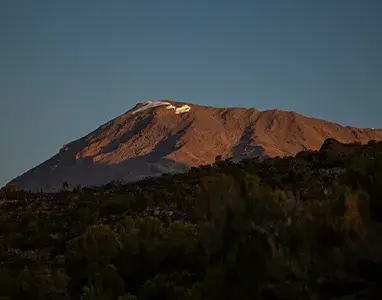
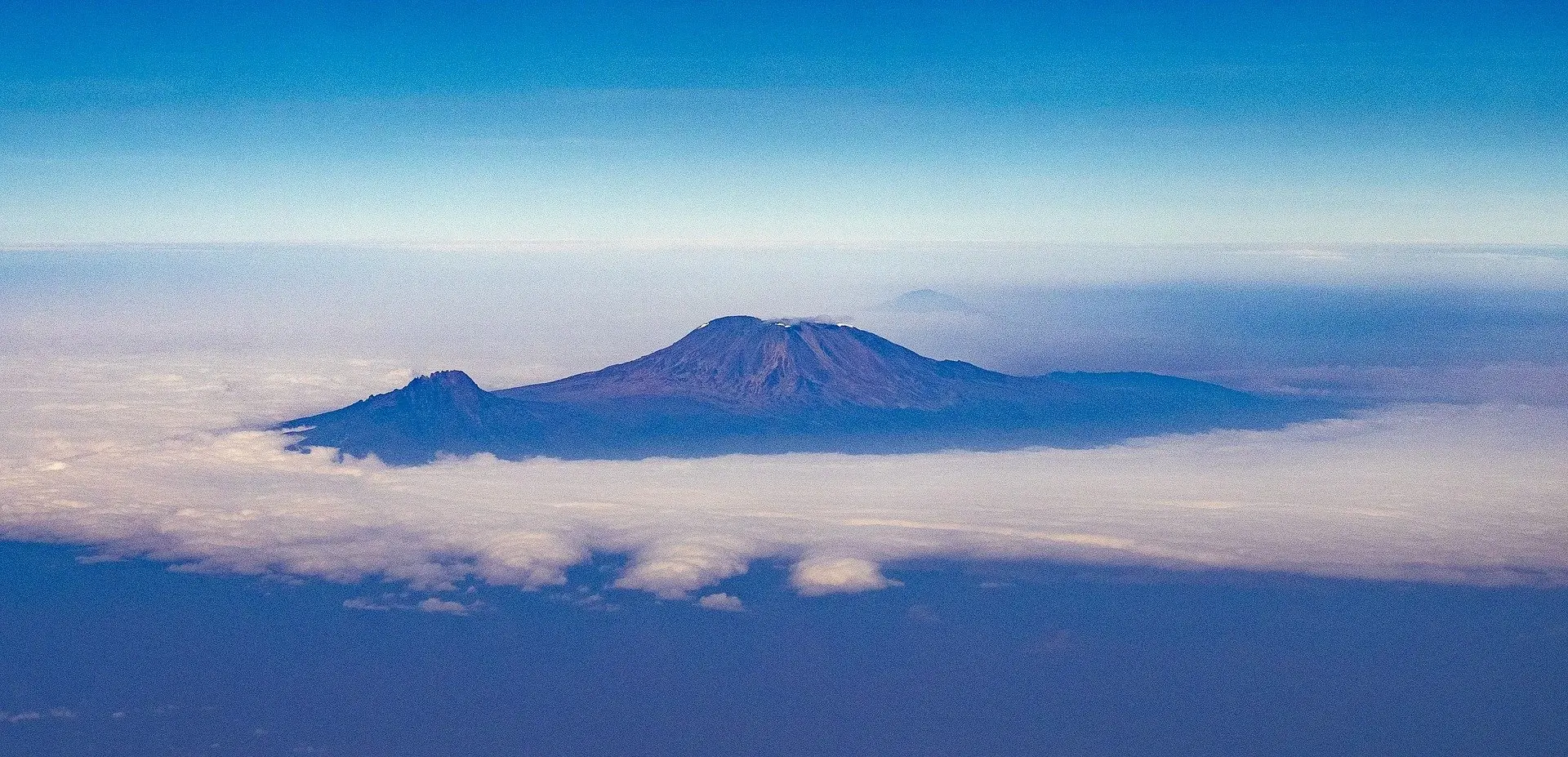
Lava Tower is a striking mass of volcanic rock below Kibo's western and south-western slopes. It rises above the surrounding alpine desert and is visible from a considerable distance when the cloud clears.
The formation is a reminder that Kilimanjaro is a vast volcanic complex. Climbers approach across increasingly barren terrain, where low temperatures, wind and intense sunlight can replace the milder conditions of the Shira Plateau.
Lava Tower should not be confused with the Western Breach or Arrow Glacier. Those are associated with a separate, steeper and more specialised summit approach. Standard Machame and Lemosho expeditions use Lava Tower as an acclimatisation high point before descending towards Barranco, then continue around the southern circuit to Karanga and Barafu.
How High Is Lava Tower?
Most operator itineraries place Lava Tower at approximately 4,600 metres, with 4,630 metres or 15,190 feet also widely used. GPS devices, maps and the exact lunch position may produce slightly different readings.
The precise number matters less than the altitude relationship. On Tanzania Inside Safari's seven-day Machame itinerary, the approximate profile is:
| Stage | Approximate altitude | What it means |
|---|---|---|
| Shira Plateau overnight | 3,810 m / 12,500 ft | Starting sleeping altitude for the day |
| Lava Tower high point | 4,630 m / 15,190 ft | Daytime exposure roughly 820 m higher |
| Barranco Camp overnight | 3,976 m / 13,044 ft | Sleep about 650 m below Lava Tower |
This gives the day a large temporary altitude gain but only a relatively modest net increase between sleeping camps. Exact elevations vary, so these figures should be treated as practical approximations rather than survey measurements.
What Does “Climb High, Sleep Low” Mean?
The phrase means reaching a higher altitude during the day and returning to a lower elevation to sleep. The higher point exposes the body to greater hypoxic stress - lower oxygen pressure - while the lower camp reduces the stress experienced during rest and sleep.
The CDC Yellow Book's high-altitude guidance explains that day trips to high altitude followed by an evening return lower are less stressful than remaining high overnight. It also notes that the crucial acute acclimatisation process takes place mainly during the first three to five days after ascent.
On the Lava Tower day, the objective is not to stay as high as possible for as long as possible. It is to gain useful exposure, monitor the body's response and then descend to a more manageable sleeping altitude.
How Does the Body Respond at Lava Tower?
As altitude increases, atmospheric pressure falls. The percentage of oxygen remains about 20.9%, but fewer oxygen molecules enter the lungs with each breath.
The body responds by:
- Breathing faster and more deeply
- Increasing heart rate
- Altering blood flow to support oxygen delivery
- Beginning kidney adjustments that allow ventilation to remain elevated
- Reducing plasma volume over the first few days
These responses begin quickly but do not complete during one lunch stop. Significant production of new red blood cells takes longer and is not the main reason the Lava Tower day is useful during a one-week Kilimanjaro climb.
The immediate value is the respiratory and physiological stimulus within a broader multi-day ascent. Repeated altitude exposure, suitable sleeping progression and recovery together matter more than any single landmark.
Why Sleeping Lower Matters
Oxygen saturation is often lowest during sleep, and disturbed breathing is common at altitude. Sleeping at Lava Tower's elevation would expose an unacclimatised climber to considerably more overnight stress than sleeping at Barranco.
Descending approximately 600 to 650 metres before bed can:
- Reduce the intensity of overnight hypoxia
- Make eating and resting more comfortable
- Allow headache or mild exertional symptoms to improve
- Give guides time to observe whether symptoms settle or worsen
- Preserve the acclimatisation stimulus without unnecessarily high overnight exposure
The descent is not a cure for every altitude problem. A climber whose symptoms worsen, whose function declines or who shows signs of serious illness may require further descent and treatment rather than simply continuing to Barranco.
Which Routes Visit Lava Tower?
Machame Route
Machame usually travels from the Shira Plateau towards Lava Tower and then descends into Barranco Valley. Tanzania Inside Safari's itinerary describes this as a six-to-eight-hour trekking day, depending on pace, weather and trail conditions.
The seven-day Machame version retains the next overnight at Karanga before Barafu. This creates a more responsible overall progression than compressing Barranco, Karanga and Barafu into fewer days.
Lemosho Route
Lemosho approaches from the western side and normally reaches Lava Tower after the earlier Shira stages. The longer approach gives climbers additional time before this first major exposure above 4,500 metres.
Our longer Lemosho itinerary uses the Lava Tower-to-Barranco high-low movement as one part of the acclimatisation plan. The Tower is beneficial because of what comes before and after it, not because the landmark has a special protective effect by itself.
Shira Route
Shira joins the western highland more abruptly, often using a vehicle-supported start at higher altitude. It can then follow a similar line towards Lava Tower and Barranco.
Because the starting elevation is higher, the Shira route may provide less gradual initial acclimatisation than Lemosho. Visiting Lava Tower does not erase that early ascent difference.
Northern Circuit Variations
Some Northern Circuit itineraries approach Lava Tower before turning north towards Moir Hut or the northern slopes. Others use a different camp sequence. Check the actual day-by-day itinerary rather than assuming that every trip with the same route name follows an identical pattern.
Routes That Normally Do Not Visit
Standard Marangu and Rongai climbs approach the upper mountain from the east or north and do not use Lava Tower. Umbwe normally joins the southern circuit around Barranco rather than following the standard Shira-to-Lava-Tower day.
These routes use different altitude profiles and acclimatisation hikes. Lava Tower is valuable, but it is not the only way to acclimatise successfully.
What the Lava Tower Day Feels Like
The day often begins in cold, open terrain on or above the Shira Plateau. The trail climbs steadily across alpine desert towards the base of Kibo. Vegetation becomes sparse, the landscape feels larger and the walking pace slows.
Near 4,500 metres, many climbers notice that ordinary effort produces heavier breathing. Conversation may become shorter, appetite can decrease and a mild headache may appear. The final approach can feel surprisingly tiring even when the gradient is not extreme.
At Lava Tower, groups usually stop for lunch or a rest. The location can be cold and windy, so sitting still may feel less comfortable than walking. After the stop, the trail descends towards Barranco, often becoming warmer and more vegetated as elevation is lost.
Many climbers feel stronger during the descent. That improvement is encouraging, but it does not prove complete acclimatisation.
Typical Day Profile
| Phase | What usually happens | Main consideration |
|---|---|---|
| Depart Shira area | Slow ascent across open highland | Begin hydrated, fed and properly layered |
| Climb towards Kibo | Air feels thinner and pace reduces | Walk pole pole and report symptoms |
| Reach Lava Tower | Short rest or lunch near 4,600 m | Stay warm and accept a low appetite if mild |
| Guide assessment | Symptoms, behaviour and function reviewed | One oxygen reading is not a pass-or-fail test |
| Descend to Barranco | Lose substantial altitude | Use poles carefully and protect knees |
| Arrive at camp | Eat, drink, rest and complete health check | Report symptoms that persist or worsen |
The exact timetable depends on route, weather, group pace, crowding and the guide's decisions.
Why Some Climbers Feel Unwell
Lava Tower is often the highest point reached so far. The rapid daytime gain, cold, exertion, dehydration, low food intake and anxiety can all contribute to discomfort.
Possible symptoms include:
- Headache
- Nausea or loss of appetite
- Dizziness or light-headedness
- Unusual fatigue or weakness
- Heavy breathing during effort
- Reduced walking performance
These symptoms overlap with Acute Mountain Sickness, exhaustion, dehydration, migraine and other conditions. A new symptom after a large altitude gain must therefore be taken seriously even if the cause is not immediately obvious.
Do not hide symptoms to avoid delaying the group. Early reporting gives the guide more options and creates a useful baseline for comparison after descent.
Does Feeling Sick Mean the Day Is Working?
No. Mild discomfort can occur during acclimatisation, but sickness is not proof of a beneficial response. The purpose is controlled exposure, not making every climber ill.
A headache or nausea should not be celebrated as the body “learning altitude.” The guide should consider symptom severity, functional ability, hydration, food intake, walking performance, behaviour and previous readings.
If symptoms are mild and stable, descent to Barranco may bring improvement. If they are worsening or accompanied by serious signs, the correct response may be urgent descent, oxygen, treatment or evacuation.
Symptoms That Require Immediate Attention
Tell the guide immediately about:
- Severe or rapidly worsening headache
- Repeated vomiting
- Inability to walk normally or keep up
- Loss of balance or coordination
- Confusion, unusual behaviour or extreme drowsiness
- Breathlessness while resting
- Chest tightness, congestion or a persistent worsening cough
- Blue or grey lips
- Collapse or reduced consciousness
Confusion and loss of coordination may indicate High-Altitude Cerebral Edema. Breathlessness at rest and falling performance with chest symptoms may indicate High-Altitude Pulmonary Edema. Both are emergencies, and descent must not be delayed to complete lunch, take photographs or preserve the itinerary.
Why the Guide May Shorten the Stop
Many people expect a long lunch at Lava Tower, but remaining stationary in cold wind can increase discomfort. A guide may shorten the stop because:
- A climber is becoming colder or more symptomatic
- Wind, rain, hail or snow is developing
- The group is moving more slowly than expected
- Barranco is still several hours away
- The high point has already provided sufficient practical exposure
- Congestion makes the area uncomfortable
A shorter stop does not mean the acclimatisation day has failed. The trek to the high point and subsequent descent are more important than a fixed number of minutes beside the rock.
Should You Force Yourself to Eat?
Appetite commonly decreases at altitude, but the body still needs energy. Eat what you can tolerate without forcing a large meal that increases nausea.
Useful choices are familiar, carbohydrate-rich foods and snacks that are easy to chew. Drink regularly, but do not force excessive water. Overhydration does not prevent altitude sickness and can be dangerous.
Tell the guide or cook if you cannot eat or keep fluids down. Persistent inability to drink or repeated vomiting changes the safety assessment.
What Should You Carry?
Keep these items accessible in the daypack:
- Waterproof jacket and trousers
- Insulating jacket or warm mid-layer
- Warm hat and gloves
- Sun hat, sunglasses and high-SPF sunscreen
- Drinking water protected from cold
- Easy-to-eat personal snacks
- Any prescribed medication carried according to medical advice
- Trekking poles for the descent
Conditions can change from strong sun to cold wind, rain, hail or snow. Do not place critical layers in the porter duffel, which may travel separately to Barranco.
Is Lava Tower a Rest Day?
No. It is often one of the longer and more demanding daytime stages. The term acclimatisation day can sound passive, but the group may walk for six to eight hours while gaining and then losing substantial elevation.
The effort needs to remain controlled. Walking too fast creates unnecessary fatigue and can make symptoms harder to interpret. The purpose is not to set a personal speed record at 4,600 metres.
Does Lava Tower Guarantee Summit Success?
No. It is one useful component of a larger acclimatisation strategy. Summit outcome also depends on:
- Total number of trekking days
- Sleeping-altitude progression
- Previous altitude response and recent exposure
- Individual susceptibility
- Pace, rest and energy management
- Health and honest symptom reporting
- Weather and trail conditions
- Guide assessment and decisions
Someone can feel well at Lava Tower and develop AMS after a later sleeping-altitude gain. Another climber may feel mild discomfort at the Tower, improve after descent and continue safely. The response must be monitored over time.
Can One High-Low Day Fix a Short Itinerary?
No. One high excursion cannot compensate for several aggressive sleeping-altitude gains. Acclimatisation requires time, and the acute process unfolds over days.
Longer Machame and Lemosho itineraries generally provide more opportunity for recovery, observation and gradual progression. Shortening the route after Lava Tower may remove valuable time around Karanga or other camps even though the Tower day itself remains unchanged.
Compare complete camp sequences, not marketing phrases. Two itineraries using the same route and Lava Tower can have meaningfully different altitude profiles.
Is More Time at Lava Tower Always Better?
No. The benefit does not increase without limit. Prolonged exposure can add cold stress, dehydration, fatigue and worsening symptoms.
The appropriate duration depends on how the climbers feel, weather, temperature, remaining walking time and the guide's assessment. A safe departure towards Barranco is more important than reaching a predetermined lunch duration.
Can You Climb the Rock Formation?
Lava Tower is a landmark and acclimatisation point, not a required climbing objective. Do not scramble on the formation independently.
Access rules, rock conditions and guide decisions may change. Any optional movement beyond the normal trekking line would require explicit permission and an assessment of weather, time, ability and current park requirements. It offers no necessary acclimatisation advantage over reaching the normal high point.
Understanding Pulse-Oximeter Readings
A pulse oximeter measures peripheral oxygen saturation, or SpO2. A guide may use it to observe trends and support a wider health assessment.
At Lava Tower, readings can be affected by:
- Cold fingers
- Movement or poor circulation
- Nail coverings
- Device differences
- Measurement technique
- Normal individual variation at altitude
One number cannot prove that a climber is safe, acclimatised or ready for the summit. A person can have AMS despite a reading that appears reasonable, while another can record a low number without severe symptoms. Symptoms, walking function, breathing, behaviour and trends matter more than a single result.
How to Approach the Day Well
Start Slowly
The early trail may feel easy, but speeding up can create fatigue before the highest section. Follow the guide's pole pole rhythm from the start.
Use Layers Early
Avoid becoming sweaty during the climb and then cold at the stop. Adjust layers before overheating, and add insulation as soon as the group becomes stationary.
Eat and Drink Regularly
Begin before appetite disappears. Small snacks and regular drinks are often easier than trying to recover all energy at lunch.
Report Symptoms Immediately
Tell the guide about headache, nausea, dizziness, unusual fatigue or breathing difficulty. Do not wait until Barranco to mention a problem that began near Shira or Lava Tower.
Descend Carefully
The descent can be long and uneven. Trekking poles may reduce strain on the knees when used correctly. Maintain concentration even if breathing feels easier.
Rest at Barranco
Change out of wet clothing, eat, drink normally and attend the evening health assessment. Persistent or worsening symptoms after descent are important.
Common Myths About Lava Tower
| Myth | Reality |
|---|---|
| Lava Tower automatically prevents altitude sickness | It supports acclimatisation but cannot guarantee protection |
| Feeling sick proves the exposure is working | Symptoms require assessment and are not a badge of progress |
| The group sleeps at Lava Tower | Standard itineraries normally descend to Barranco or another lower camp |
| More time at the Tower is always better | Weather, cold, symptoms and remaining distance determine the stop |
| A good oxygen reading means you are acclimatised | SpO2 is only one part of the guide's assessment |
| Fit athletes will feel nothing | Fitness does not provide immunity from altitude illness |
| Every route visits Lava Tower | Marangu and Rongai do not; route variations also differ |
| Reaching the Tower proves you can summit | Later sleeping gains and summit altitude create much greater stress |
How Our Guides Manage the Lava Tower Day
At Tanzania Inside Safari, responsible acclimatisation begins with route selection and enough days on the mountain. Lava Tower is used as part of that plan, not as a summit guarantee.
During the day, our approach includes:
- A controlled pole pole pace
- Regular questions about headache, appetite, nausea, dizziness and fatigue
- Observation of walking performance, balance, breathing and behaviour
- Pulse and oxygen-saturation checks interpreted alongside clinical signs
- Adjusting rest time and layers according to weather and condition
- Encouraging normal hydration and manageable food intake
- Emergency oxygen and mountain first-aid equipment
- Early descent and further action when symptoms make continued exposure unsafe
Our guides have authority to slow the team, shorten the stop or change the plan. The health of a climber is more important than a photograph or a timetable.
Frequently Asked Questions
Is Lava Tower higher than Barafu Camp?
They are at broadly similar elevations, depending on the exact readings used. Lava Tower is commonly listed around 4,600 to 4,630 metres, while Barafu Camp is often placed around 4,670 metres. The critical difference is that Lava Tower is a temporary daytime exposure; Barafu is a high sleeping and summit-preparation camp.
Why can I feel worse at Lava Tower than at Barranco?
Lava Tower is approximately 600 to 650 metres higher. The thinner air, exertion, cold and reduced appetite can all increase discomfort. Many people feel better after descending, but persistent or worsening symptoms need assessment.
How long do we remain there?
Often long enough for a rest or lunch, but there is no universal duration. Weather, symptoms, pace and the remaining descent determine the schedule.
Do we sleep at Lava Tower?
Not on Tanzania Inside Safari's standard Machame or Lemosho itineraries. Climbers descend to sleep lower, most commonly at Barranco.
What if I cannot reach Lava Tower?
The guide will assess your symptoms, pace and location. Turning lower, resting or descending may be the responsible decision. Missing the landmark is less important than preventing a minor problem from becoming serious.
Will visiting Lava Tower improve my summit chances?
It can contribute to a better altitude profile, particularly when combined with a longer itinerary and lower sleeping camp. It cannot predict or guarantee an individual's summit result.
The Honest Conclusion
Lava Tower is valuable because it creates a substantial daytime altitude exposure followed by descent to sleep lower. This gives the body a controlled stimulus while reducing the overnight stress of remaining near 4,600 metres.
Its importance should not be exaggerated. Acclimatisation is a process measured over days, not a single lunch stop. The most responsible plan combines Lava Tower with a gradual route, sensible pace, honest symptom reporting, guide monitoring and enough time before summit night.
Tell us your dates, route interests, previous altitude experience and available trekking days. Our local team will recommend a realistic itinerary.
Medical disclaimer: This article provides general educational information and is not a substitute for individual medical advice, diagnosis or treatment. Consult a qualified medical or travel-health professional before undertaking a high-altitude climb.