


Kilimanjaro Tipping Guide
How much to budget, who receives tips, how the calculation works and what to expect at the ceremony.
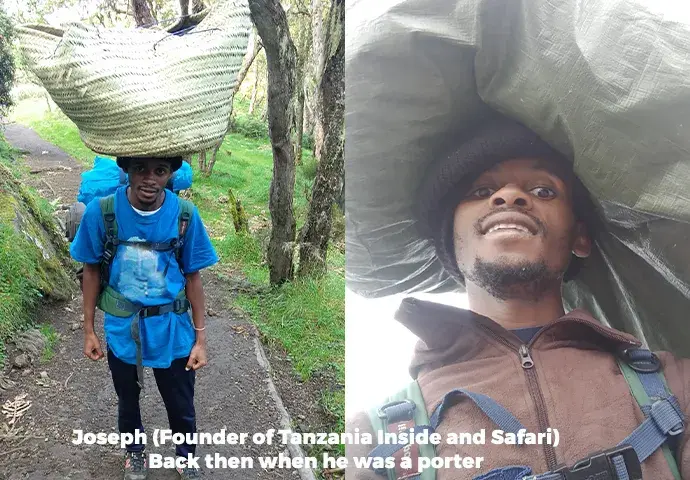
The Most Important Point
The daily figures in this guide are for each crew member, paid by the climbing group as a whole. They are not automatically charged to every climber.
For example, if the group tip for one guide is USD 25 per day on a seven-day climb, the guide receives USD 175 from the entire group. If four climbers are sharing the crew, they normally divide that USD 175 contribution between them.
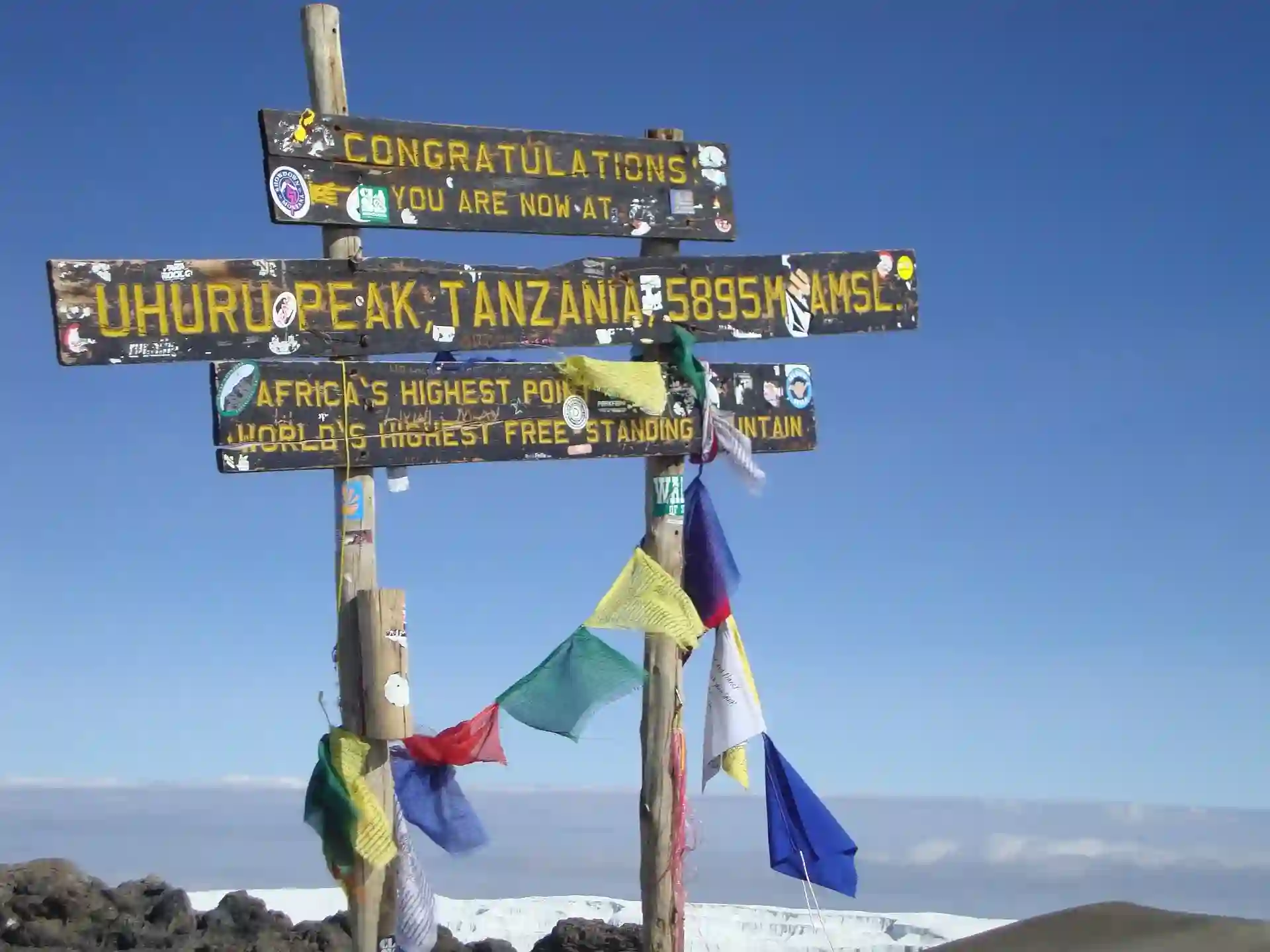
Tipping remains voluntary. The final amount should reflect the quality of service, not whether you reached Uhuru Peak. Weather, altitude illness and safety decisions can prevent a summit even when the crew has performed exceptionally well.
Kilimanjaro Tipping at a Glance
- Tipping is customary and appreciated, but it is not compulsory.
- Tips are separate from the crew’s agreed wages.
- Calculate the tip for the whole crew first, then divide the total among the climbers.
- The number of crew members varies by route, group size and expedition requirements.
- We confirm the crew list and roles during your pre-climb briefing.
- Bring enough cash; do not depend on an ATM or card payment after the trek.
- US dollars or Tanzanian shillings are generally practical; confirm your preferred currency with our team.
- Use clean, undamaged notes in useful denominations.
- Give tips transparently so every crew member understands the distribution.
- Judge the service across the entire climb—not only by the summit result.
Who Is in Your Kilimanjaro Crew?
Lead Guide
The lead guide has overall responsibility for the trekking team. The role includes pacing, route decisions, health monitoring, communication with the crew and deciding whether a climber should continue, stop or descend.
Assistant Guide
Assistant guides support health and safety monitoring, help manage different walking speeds and may accompany a climber who needs to descend while the rest of the group continues.
Cook
The cook plans and prepares meals in a demanding mountain environment. This includes coordinating ingredients, responding to declared dietary requirements where possible and working with limited facilities.
Porters and Helping Porters
Porters carry tents, food, cooking equipment and other shared expedition supplies. They also help establish and dismantle camp. Some may have additional duties, such as supporting the cook, serving meals or managing toilets and water.
Your exact crew may include more than one assistant guide, cook or porter. A larger crew is not automatically excessive; it may be required for the route, group size, private toilet, safety equipment, food and other camp services.
Suggested Tipping Guidelines
These figures are a practical planning range in US dollars. They are calculated per crew member, per mountain day, from the whole group.
| Crew role | Suggested group tip per person per day | What that means |
|---|---|---|
| Lead guide | USD 20–25 | One daily amount for the lead guide, shared by the climbers |
| Assistant guide | USD 15–20 | Apply the amount to each assistant guide |
| Cook | USD 12–15 | Apply the amount to each cook |
| Porter or helping porter | USD 8–10 | Apply the amount to each porter |
These are guidelines, not mandatory charges. Your final briefing information takes priority because itineraries, crew structures and local practices can change.
How to Calculate Your Tip
Use the same three-step method for every climb.
Multiply each role’s daily amount by the number of people in that role.
Multiply each result by the number of mountain days.
Add the crew totals and divide the final amount among the climbers sharing that crew.
The basic formula is:
Worked Example: Four Climbers on a Seven-Day Route
Imagine that the confirmed team has one lead guide, two assistant guides, one cook and twelve porters. The group chooses the middle of each suggested range.
| Crew role | Calculation | Group total |
|---|---|---|
| 1 lead guide | USD 22.50 × 1 × 7 days | USD 157.50 |
| 2 assistant guides | USD 17.50 × 2 × 7 days | USD 245.00 |
| 1 cook | USD 13.50 × 1 × 7 days | USD 94.50 |
| 12 porters | USD 9 × 12 × 7 days | USD 756.00 |
| Total for the full crew | USD 1,253.00 | |
| Contribution per climber | USD 1,253 ÷ 4 | USD 313.25 |
This example explains the method; it is not a quote or a promise of your crew size. A small private group may contribute more per climber because fewer clients share the crew total. A larger group may share the total between more people, although it will also require more crew.
Your Simple Tipping Worksheet
Complete this after Tanzania Inside Safari confirms the crew list.
| Crew role | Number of staff | Chosen daily rate | Mountain days | Role total |
|---|---|---|---|---|
| Lead guide | ___ | USD ___ | ___ | USD ___ |
| Assistant guides | ___ | USD ___ | ___ | USD ___ |
| Cooks | ___ | USD ___ | ___ | USD ___ |
| Porters | ___ | USD ___ | ___ | USD ___ |
| Total crew tip | USD ___ | |||
| Number of climbers sharing the tip | ___ | |||
| Suggested contribution per climber | USD ___ |
If some climbers want to contribute different amounts, agree how the total will be recorded and distributed before the ceremony. No one should feel pressured to disclose a private personal contribution to other guests.
When and How Are Tips Given?
The tipping ceremony normally takes place near the end of the expedition, at the time and location explained by your lead guide. The exact arrangement can vary by route and descent schedule.
A clear process is:
Confirm the final crew list and each person’s role.
Agree on the group’s total and collect contributions from the climbers.
Count the money privately and record the amount for each role.
Place the money in labelled envelopes or prepare a clearly documented group fund.
Announce the total and distribution where the crew can hear it.
Hand over the tips using the method confirmed during the briefing.
Transparency matters. Avoid giving one unrecorded amount to an individual and simply assuming that everyone will know how it was divided. If you are uncertain, ask the Tanzania Inside Safari representative or lead guide to explain the agreed process.
Which Currency and Notes Should You Bring?
US dollars and Tanzanian shillings are the most practical choices. Ask our team which option will be easiest for your particular departure.
Bring cash in advance because the final camp and park gate should not be treated as places to withdraw or exchange money. Use clean, undamaged, recent-design notes. A mixture of denominations makes individual distribution easier.
Keep the cash secure and waterproof during the climb. Do not place all of it in an outer daypack pocket. If you are travelling with a group, decide before departure whether one person will hold the group fund or whether each climber will keep their own contribution until the final calculation.
How Should You Judge the Service?
The summit is not the correct measure. Guides sometimes make the difficult decision to stop an ascent because continuing would be unsafe. That decision is responsible service, not failure.
Consider the whole expedition:
- Did the guides communicate clearly and set an appropriate “pole pole” pace?
- Were health concerns taken seriously?
- Did the crew treat climbers and one another respectfully?
- Was camp prepared as well as conditions allowed?
- Were meals handled carefully and declared dietary needs considered?
- Did the team remain professional during difficult weather or an early descent?
- Did you feel supported, informed and cared for?
You may choose an amount within the range, contribute more for exceptional service or reduce it if the service was genuinely poor. Raise serious concerns directly with Tanzania Inside Safari so that they can be investigated; the tipping ceremony should not be the only way a problem is communicated.
What If You Do Not Reach the Summit?
Not reaching Uhuru Peak does not automatically mean the crew provided poor service. A climber may turn around because of altitude symptoms, exhaustion, injury, weather or a guide’s safety decision.
The guides, cooks and porters still worked throughout the expedition. Base your tip on the quality of their care and professionalism. Never offer extra money to persuade a guide to continue when the guide believes the ascent is unsafe.
What If a Climber Descends Early?
An early descent can change the workload. A guide or assistant guide may accompany the climber while other team members continue supporting the main group.
Do not attempt to recalculate the entire tip on the trail. Record what happened, complete the group calculation after the trek and ask our team how to recognize the staff who provided the additional descent support.
Tips, Gifts and Donations
A sincere thank-you, a group photograph shared with permission or a short note naming exceptional service can mean a great deal. Practical equipment may also be appreciated, but gifts should be optional and separate from the normal cash tip.
Do not give damaged, unsuitable or unwanted equipment simply to avoid carrying it home. Ask before giving personal items. If you want to make a larger equipment or welfare donation, discuss it with Tanzania Inside Safari so it can be handled fairly and usefully.
Common Tipping Mistakes
- Reading a group rate as a per-climber rate
- Estimating the final amount before knowing the actual crew size
- Forgetting that every porter’s amount must be included
- Bringing only large notes that are difficult to divide
- Depending on an ATM after leaving the mountain
- Basing the entire tip on whether the summit was reached
- Giving all the money privately without a clear distribution record
- Promising an amount during the trek and creating pressure or misunderstanding
- Treating donated equipment as an automatic replacement for a cash tip
- Mixing safari, hotel and mountain tips into one calculation
Frequently Asked Questions
Is tipping compulsory?
No. Tipping is voluntary, but it is customary on Kilimanjaro and appreciated when the team has provided good service.
Is the tip included in my climb price?
Unless your written booking confirmation specifically says otherwise, plan for crew tips separately from the package price.
Are the daily figures per climber?
No. In this guide, each daily figure is the amount paid by the whole climbing group to one person in that role. The group total is then shared between the climbers.
How much cash should I bring?
Wait for your itinerary and estimated crew information, use the worksheet, and add a modest buffer. The confirmed crew list at the briefing allows you to check the final calculation.
Can I tip one crew member more?
Yes, but complete the transparent group distribution first. A separate personal tip for exceptional help can then be given discreetly and should not reduce another crew member’s agreed share.
Can I pay by card or transfer?
Do not assume that a card or electronic transfer will be available at the end of the climb. Ask our team before travelling and prepare cash unless a different method is confirmed in writing.
Does a solo climber pay the whole group amount?
A solo climber has no other clients with whom to divide the crew total, so the contribution can be higher than on a shared group climb. Ask for a climb-specific estimate before arrival.
Should safari tips be included in this fund?
No. Safari guides, lodge staff, drivers and other teams are tipped separately. Ask for the relevant advice when Tanzania Inside Safari arranges your safari or another extension.
Tanzania Inside Safari’s Tipping Process
Our goal is to make tipping clear, voluntary and transparent.
Before the climb, we will explain:
- Your expected crew structure
- The daily calculation method
- The most practical currency and denominations
- When the final crew list will be confirmed
- How the group fund and ceremony will be handled
If the team size changes for operational reasons, use the final confirmed list rather than the early estimate. Ask questions before the trek so that you can focus on the mountain instead of doing financial calculations at the final camp.
Plan Your Kilimanjaro Climb With Confidence
Tipping should be a positive conclusion to the expedition, not an uncomfortable surprise. Budget before travelling, confirm the actual crew, use the group calculation and judge the team by its professionalism throughout the climb.
Practical note: Tipping ranges and methods are general guidance and can change. Your booking documents and final Tanzania Inside Safari briefing information take priority. Tipping is voluntary and should never be used to influence a guide’s safety decision.