


Behind the Scenes of a Kilimanjaro Expedition: Guides, Porters, Cooks and Camp Logistics
Discover how Kilimanjaro guides, porters and cooks move equipment, build camps, prepare meals, manage water and support climbers from gate to summit.
The Kilimanjaro Expedition at a Glance
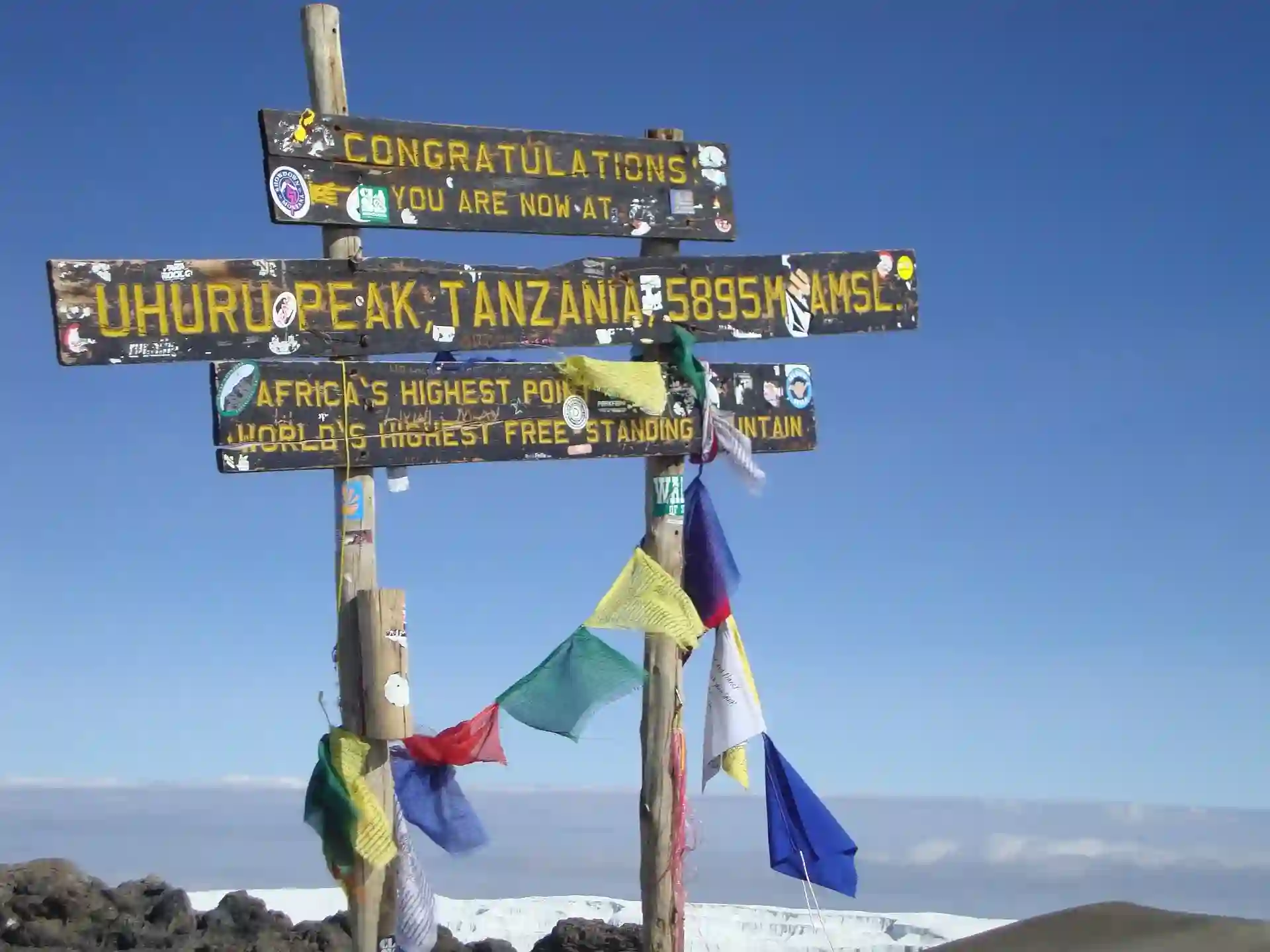
Most Kilimanjaro photographs show a climber beneath the summit sign at Uhuru Peak. They rarely show everything required to make that moment possible.
Behind every climber is a coordinated local mountain team. Guides manage pace, altitude exposure, health and safety. Assistant guides help keep the group together and provide flexibility when climbers move at different speeds. Cooks prepare substantial meals from a compact mountain kitchen. Porters transport tents, food, fuel, safety equipment and personal duffel bags, then help establish the next camp before the climbers arrive.
A Kilimanjaro climb is therefore not simply a guided walk. It is a moving expedition that must feed, shelter and support both clients and crew across several climate zones for almost a week or longer.
The better this system is planned, the less of it a climber notices. Your tent is standing when you reach camp. Drinking water is being prepared. The kitchen is working. Your guide already knows the next day’s route and is watching how you walk, eat, breathe and communicate.
This guide explains the people, processes and decisions that keep a Kilimanjaro expedition moving from the hotel briefing to the final descent.
| Team or system | Main responsibility |
|---|---|
| Office and operations team | Permits, transport, crew selection, food purchasing, equipment allocation and contingency planning |
| Lead mountain guide | Overall leadership, pace, route management, health assessment, safety decisions and communication |
| Assistant guide or guides | Group supervision, health observation, summit support and separation support when necessary |
| Mountain cook | Menu planning, food preparation, kitchen hygiene and dietary adjustments |
| Waiter or kitchen porter | Dining service, washing, hot drinks and support for the cook |
| Porters | Transport of group equipment, food and climber duffels; camp setup and breakdown; specialist duties where assigned |
| Camp crew | Tent layout, campsite organisation, shelter security and equipment control |
| Water team | Collection and transport of water, followed by treatment or boiling according to the expedition system |
| Toilet porter, when booked | Transport, setup, maintenance and sanitation of a private portable toilet |
| Summit support team | Additional assistance, observation and escort capacity during the summit attempt and descent |
Titles can overlap. A porter may specialise in tents, water, toilets, food stores or summit support, but remains part of the porter team. Crew structure changes with group size, route, duration, equipment and service level.
Before the Mountain: The Expedition Begins in Moshi
The work starts before climbers reach the gate.
The operations team first reviews the confirmed itinerary, group size, route, dietary requirements, medical information and equipment requests. From this, it calculates the crew, food, fuel, tents, safety equipment and transport needed for the climb.
Typical preparations include:
- Confirming park bookings and route dates
- Assigning a lead guide and sufficient supporting crew
- Checking tents, sleeping mats, dining equipment and kitchen equipment
- Inspecting emergency oxygen, first-aid equipment and pulse oximeters
- Purchasing fresh food and assembling dry supplies
- Separating vegetarian, vegan, gluten-free or allergy-aware ingredients when arranged
- Organising cooking fuel and water containers
- Preparing porter food and crew shelter
- Allocating group equipment into loads
- Confirming airport, hotel and trailhead transport
- Reviewing weather, route conditions and any operational notices
Good logistics require redundancy. A damaged tent pole, failed stove or leaking water container can affect the whole group, so equipment should be checked before departure and essential systems should have a backup plan.
The Pre-Climb Briefing
The guide normally meets the climbers before the trek to review:
- The route and daily camp sequence
- Expected walking times and terrain
- The “pole pole” pace
- Altitude symptoms and honest reporting
- Clothing and daypack organisation
- Duffel-bag weight limits
- Drinking-water arrangements
- Meals and dietary requirements
- Emergency procedures
- Crew structure and tipping process
This is also the time for a personal equipment check. Items carried inside the climber’s daypack—water, waterproofs, insulation, medication, snacks, sun protection and headtorch—must remain accessible during the day. The duffel travels with a porter and may not reach the next camp at the same time as the climber.
At the Trailhead: Registration, Weighing and Load Allocation
Trailhead morning can look busy because several systems meet at once. Climbers register, guides confirm permits, equipment is unloaded, porters assemble and loads are organised.
The crew cannot simply pick up the nearest bag and begin walking. Group items must be divided logically so that the next camp can operate even if porters arrive at slightly different times. Kitchen equipment, tents, food, fuel and safety gear need identifiable carriers and a planned order of movement.
Porter loads are also a welfare issue. The Kilimanjaro Porters Assistance Project’s published standards state that the company load carried by a porter should not exceed 20 kilograms, excluding the porter’s personal kit. This is not the same as one client’s duffel allowance: Tanzania Inside Safari limits the porter-carried client duffel to 15 kilograms. Loads may be checked at the gate, and climbers help by keeping within that allowance.
Overpacking does not disappear into a vehicle once the climb begins. Every extra kilogram must be carried by a person. If the expedition requires more equipment, the responsible solution is to add sufficient porter capacity rather than overload the existing team.
Who Does What on a Kilimanjaro Climb?
The Lead Guide
The lead guide carries overall responsibility on the mountain. This role is much broader than showing the direction of the trail.
The lead guide’s work may include:
- Setting an appropriate walking pace
- Briefing clients and crew each day
- Monitoring weather and trail conditions
- Assessing headache, nausea, fatigue, appetite, breathing, balance and behaviour
- Conducting or supervising health checks
- Interpreting pulse and oxygen-saturation readings alongside symptoms
- Coordinating assistant guides and specialist crew
- Communicating with rangers and other expedition leaders
- Deciding whether a climber should rest, stop ascending or descend
- Reorganising the team when clients move at different speeds
- Managing emergency response and evacuation
- Selecting departure times and summit strategy
The guide is also a translator between two sides of the expedition. Climbers need clear information about altitude, weather and the next stage. Crew members need clear instructions about pace, camp movement, sick clients, changing loads and operational priorities.
A responsible guide must be prepared to make an unpopular decision. Turning a climber around because of worsening symptoms may end a summit attempt, but it can prevent a manageable illness from becoming an emergency.
Assistant Guides
Assistant guides increase supervision and flexibility. They do not merely walk behind the lead guide.
An assistant guide may:
- Stay with a slower climber while the remainder of the group continues
- Escort a climber down while the main expedition remains on schedule
- Observe clients from the back or middle of the group
- Support health checks and briefings
- Lead a subgroup during an acclimatisation hike
- Provide closer support on the Barranco Wall or another demanding section
- Accompany clients during summit night
- Help manage the long descent from the crater rim
Guide numbers depend on group size, route and expedition design. Summit night often requires more direct guide-to-climber support than an ordinary trekking day because fatigue, cold, darkness and altitude can separate the group.
The Mountain Cook
The cook works in one of the expedition’s most demanding environments. Meals must be prepared with limited space, portable stoves, variable water access and changing temperatures. At high altitude, water boils at a lower temperature and cooking can take longer.
The cook’s responsibilities include:
- Following the menu and managing food stores
- Preparing breakfast, lunch, dinner and hot drinks
- Adjusting dishes for declared dietary requirements
- Protecting ingredients from moisture and contamination
- Managing fuel efficiently
- Maintaining kitchen hygiene
- Coordinating meal timing with the guide
- Adapting when altitude reduces a climber’s appetite
- Monitoring which supplies must be used first
Fresh produce is most practical early in the trek. Durable ingredients become increasingly important higher on the mountain. A skilled cook turns rice, potatoes, pasta, soups, vegetables, beans, eggs, meat and fruit into varied meals while ensuring that both climbers and crew are fed.
The cook may be assisted by a waiter or kitchen porter who serves meals, prepares hot drinks, washes dishes and keeps the dining area organised.
The Porters
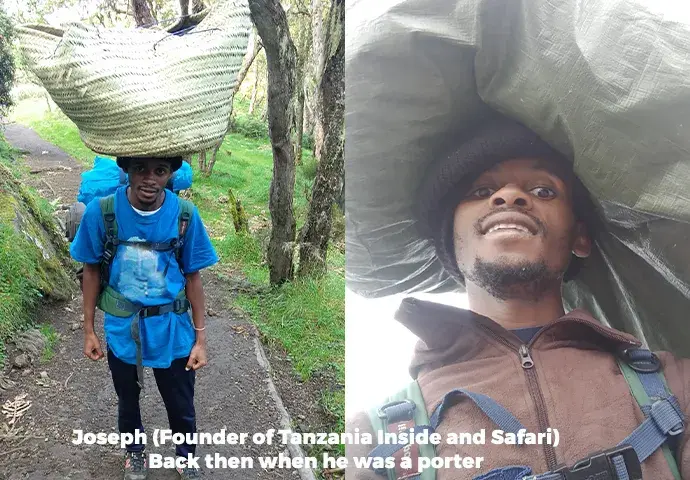
Porters are the operational engine of Kilimanjaro. They carry the equipment and supplies that allow a non-technical trek to function as a supported expedition.
Depending on the route and assignment, porters may carry:
- Climber duffel bags
- Sleeping tents and crew tents
- Dining and kitchen tents
- Tables, chairs and cooking equipment
- Food and fuel
- Safety and medical equipment
- Water containers
- Portable toilet equipment
- Waste bags and other expedition supplies
Carrying is only part of their work. Porters may also help break down camp, pitch tents, organise equipment, collect water, support the kitchen, maintain sanitation and prepare loads for the following morning.
Specialist roles can include tent crew, waiter, toilet porter, water porter, summit porter or medical-equipment porter. The KRTO/KPAP guidance notes that people carrying extra responsibilities should be recognised accordingly.
Porters are skilled mountain workers, not an anonymous supply chain. Many experienced guides and cooks began their careers as porters, learning routes, weather, camp systems and client care through years of practical experience.
Why Is the Crew Larger Than Many Climbers Expect?
A solo climber does not need only one guide and one person to carry a bag. The expedition still requires shelter, food, cooking equipment, safety gear and crew support.
For a private solo Kilimanjaro trek with Tanzania Inside Safari, the wider team may comprise approximately five to seven crew members, depending on the route, duration and equipment. A larger group needs more porters, guides, tents, food and water capacity.
Crew size is influenced by:
- Number of climbers
- Route and number of days
- Camping route or Marangu huts
- Client duffel allowances
- Size and weight of tents
- Dining and kitchen setup
- Private toilet arrangements
- Food and fuel volume
- Safety equipment
- Number of assistant guides required
- Resupply possibilities, if any
A larger crew is not automatically wasteful. If it reflects real loads, safe guide coverage and suitable support for everyone on the mountain, it can be evidence of responsible planning. An unrealistically small crew may mean overloaded porters, inadequate equipment or duties being combined unsafely.
The operator should be able to explain the expected crew structure before departure. Final numbers may adjust after gate weighing or an operational change, but they should never be hidden from climbers during tipping.
How a Moving Kilimanjaro Camp Works
The apparent magic of arriving at an established camp comes from careful sequencing.
Morning: Pack the Old Camp
The kitchen often begins work before the climbers are fully awake. Hot drinks and washing water are prepared, breakfast is cooked and drinking water is organised.
While climbers eat and pack their duffels, crew members begin preparing loads. Once a sleeping tent is empty, it can be taken down. The dining tent, kitchen and remaining systems stay operational until they are no longer needed.
Before departure:
- Climbers place required gear in their daypacks
- Duffel bags are closed and made available to the crew
- Tents are dried or shaken out when conditions allow
- Waste is collected
- Food and fuel are checked
- Loads are balanced
- The guide confirms the day’s route and pace
On the Trail: Two Different Speeds
Climbers move slowly to support acclimatisation and conserve energy. Many porters move faster, even while carrying equipment. Once the old camp is packed, sections of the crew pass the trekking group and continue towards the next campsite.
This does not mean every porter races. Loads, terrain, water duties and individual roles affect timing. The lead guide and assistant guides stay focused on the climbers while the camp team works towards the next location.
Arrival: Build the New Camp
At the next designated campsite, the crew identifies the operator’s allocated or practical area and begins rebuilding the camp.
The sequence may include:
- Positioning and pitching client sleeping tents
- Establishing the kitchen and dining tent
- Securing tents against wind and weather
- Collecting water from the available source
- Preparing hot drinks or a snack
- Organising duffel bags near the correct tents
- Setting up crew accommodation
- Establishing the private toilet, if included
- Preparing the evening meal
- Sorting waste and equipment for the next movement
By the time climbers arrive, the camp can appear calm. For the crew, several hours of lifting, carrying, pitching, collecting and cooking may already have taken place.
Water Logistics
Water is one of the heaviest and most important parts of a mountain operation.
Natural sources are not located beside every tent, and availability changes by route, season and camp. Crew members may have to descend or walk away from camp, fill containers and carry them back for cooking, drinking and basic washing.
The collected water must then be treated according to the expedition’s system, commonly by boiling or another appropriate purification method. Water for the following morning may need to be prepared the night before.
Climbers can help by:
- Carrying the water quantity requested in their daypack
- Filling bottles and hydration systems when instructed
- Avoiding unnecessary waste
- Using washing water sparingly
- Reporting leaking bottles or hydration bladders
- Not contaminating water sources with soap or litter
Unlimited-looking water at camp is the result of human labour. Responsible use protects both the crew and the mountain.
Food Logistics
Every meal begins with planning at ground level. The team must estimate quantities for climbers and crew across the complete itinerary, while considering appetite changes, dietary needs, food durability and pack weight.
Supplies are organised so that:
- Perishable items are used at suitable stages
- Dry foods remain protected from rain
- Special-diet ingredients are identifiable
- Crew meals are sufficient
- Fuel lasts for cooking and water treatment
- Emergency reserves remain available
Meals cannot depend on daily deliveries. Most of what is required moves with the expedition, although specific routes or operating systems may allow limited resupply.
At high camps, cold, wind and lower air pressure complicate cooking. The chef must still produce warm food on time, often while preparing an early meal for summit departure and planning breakfast for climbers returning hours later.
Sleeping, Dining and Toilet Arrangements
Camping Routes
Lemosho, Machame, Rongai, Northern Circuit and Umbwe use designated campsites. Operators provide sleeping tents and the equipment included in the booked service. Most supported climbs also use a dining or mess tent with tables and chairs.
The dining tent functions as more than a restaurant. It may be the site of:
- Daily briefings
- Health checks
- Route discussions
- Equipment adjustments
- Charging from personal power banks
- Social time and group decisions
The kitchen is a working crew area and should not be entered casually. Limited space, flames, hot liquids and organised food supplies make unnecessary traffic unsafe.
Public long-drop toilets are available at established camps, but their condition varies. A private portable toilet with a dedicated tent and assigned porter may be offered as an optional service. The equipment, chemicals and waste system add weight and affect crew planning.
Marangu Route
Marangu uses mountain huts rather than client camping tents. This reduces some equipment, but it does not eliminate the support team. Climbers still need guides, food, cooking, water management, safety equipment and porters for permitted personal and group loads.
Hut beds should not create the impression that Marangu is a lodge-based climb. Facilities remain basic, camps are shared and altitude remains the central challenge.
What Happens After the Climbers Go to Bed?
Camp does not stop when dinner ends.
The kitchen team washes and secures equipment. Food stores are checked. Water may be prepared. Guides discuss the group’s health and the next day’s schedule. Wet equipment is managed as far as weather allows. Crew members eat, organise their sleeping arrangements and prepare for another early start.
If a client is unwell, the guide may perform additional assessments during the evening or night. An emergency can require crew members to reorganise loads, prepare oxygen, support a descent or communicate with park and evacuation services.
Rest matters for the crew too. Ethical expedition planning provides adequate food, shelter, sleeping arrangements, equipment and health support for the people who must work again the next morning.
Summit-Night Logistics
Summit night is the most visible test of the guide team and the least visible test of the camp system.
Before departure, the team must:
- Review each climber’s condition
- Confirm clothing, water, snacks, headtorches and medication
- Prepare a light pre-summit meal or hot drink
- Allocate lead and assistant guides
- Decide the walking order and pace
- Carry emergency oxygen and appropriate safety equipment
- Establish communication and turnaround plans
- Keep part of the crew at high camp
- Prepare for climbers returning at different times
The expedition may separate during the ascent. One climber may need a slower pace, another may turn around, while others continue. Sufficient guide coverage allows those decisions without leaving anyone unsupported.
Summit support is not about physically forcing a climber upward. Guides observe coordination, behaviour, breathing, pace and ability to follow instructions. Confusion, ataxia, breathlessness at rest or worsening altitude symptoms require urgent action, usually descent.
While the summit group is away, the camp crew prepares for its return. Drinks and food may be made ready, tents remain secured and the camp begins planning for the same-day descent to a much lower sleeping elevation.
Reaching Uhuru Peak is not the end of summit day. Everyone must descend safely from the crater rim, return to high camp, rest briefly, eat and continue downhill. Crew logistics make that long transition possible.
When a Climber Has to Descend
A descent affects the whole expedition, not only the sick climber.
The guide may need to:
- Assign an assistant guide or other authorised support
- Decide whether more than one crew member is required
- Provide oxygen or first aid when appropriate
- Arrange a stretcher or park rescue assistance
- Reallocate loads among the remaining crew
- Notify the office and park authorities
- Organise transport or medical reception at the exit gate
- Preserve sufficient guide coverage for the main group
This is why a well-supported expedition needs flexibility. A crew designed only for the ideal scenario may struggle when one person must descend while the rest of the group remains on the mountain.
Helicopter evacuation may be possible in some circumstances, but it depends on weather, location, daylight, aircraft availability and authorisation. It is not a substitute for immediate descent when the guide determines that descending on foot or by stretcher is required.
Porter Welfare Is Part of Expedition Safety
The crew cannot care for climbers safely if its own members are underfed, overloaded, poorly equipped or denied adequate shelter.
The Kilimanjaro Responsible Trekking Operators promote standards that include:
- Payment of at least the applicable legal minimum wage
- Timely payment after the climb
- Transparent distribution of tips
- A maximum company load of 20 kilograms per porter, excluding personal kit
- Three adequate meals per day
- Proper shelter and sleeping equipment
- Appropriate mountain clothing and gear
- Care for sick or injured porters
At Tanzania Inside Safari, responsible climbing means treating guides, cooks and porters as professionals whose safety matters as much as client comfort. It also means assigning enough people for the real load rather than reducing the team until someone must carry too much.
Crew Health on the Mountain
Porters and guides can also develop altitude illness, injuries, respiratory problems and exhaustion. Being local, experienced or physically strong does not make a crew member immune.
A responsible system allows a sick crew member to report symptoms, receive assessment and descend when necessary. Their load must then be redistributed safely or replacement support arranged. The client’s summit objective should never take priority over a worker’s health.
Wages and Tips Are Not the Same
Crew wages are the operator’s responsibility. Tips are a customary additional expression of appreciation and should not be used to disguise an unpaid salary.
Before the climb, clients should be told:
- The expected crew number
- The roles within the team
- Suggested tipping guidance
- Whether tips are individual or pooled
- How the distribution will be announced and recorded
- When the tipping ceremony normally occurs
KRTO/KPAP recommends a transparent process and warns against “kirunje”, where people who did not work on the expedition appear at the tipping ceremony. Climbers should know the actual team and the total tip intended for each role or person.
Tips should not be used to control safety decisions. A guide must be able to turn a client around without fearing punishment through withheld gratuity.
Environmental Logistics: What Goes Up Must Come Down
Every expedition generates waste. Food packaging, broken equipment, hygiene products and other rubbish must be controlled from the start.
Low-impact camp practice includes:
- Using designated trails and campsites
- Collecting litter before departure
- Separating waste where the operating system requires it
- Carrying non-biodegradable rubbish off the mountain
- Preventing food scraps from attracting wildlife
- Keeping soap and wastewater away from natural water sources
- Avoiding damage to vegetation while pitching tents
- Following park rules for toilets and human waste
- Leaving rocks, plants and natural features undisturbed
Climbers share responsibility. Keep wrappers in a pocket or daypack, use refillable bottles, do not leave tissues on the trail and follow guide instructions about toilets and waste.
Environmental standards add work for the crew, but responsible operations price and staff that work instead of treating the mountain as a free dumping ground.
How Climbers Can Help the Expedition Run Well
Small actions make a meaningful difference:
Respect the Duffel Limit
Pack only what you need and weigh the completed duffel before leaving home. Remove unnecessary items or arrange to leave them securely at your hotel rather than trying to hide extra weight during the gate check.
Keep Your Daypack Complete
Your porter-carried duffel may be hours ahead. Carry waterproofs, warm layers, water, snacks, medication, sun protection and other essentials yourself.
Pack on Time
A late duffel delays tent breakdown, load allocation and the porter carrying that equipment.
Label Your Equipment
Clear luggage identification helps the crew place the right bag at the right tent and reduces confusion in crowded camps.
Communicate Early
Tell the guide about symptoms, damaged equipment, dietary problems or missing medication as soon as possible. Early information gives the team more options.
Learn People’s Names
Meet the crew as individuals. Ask for an introduction at the briefing or first camp and understand who holds each role.
Follow the Tipping Procedure
Use the transparent process explained before the climb. Do not create confusion by making secret promises to selected individuals.
Treat Camp as a Workplace
Ask before entering the kitchen or crew shelter, keep personal items within your space and avoid blocking paths used to move water and equipment.
Questions to Ask a Kilimanjaro Operator
Before booking, ask:
- Who directly operates my climb?
- How are the guide and crew selected?
- How many guides are planned for my group?
- What happens if one climber must descend early?
- What is my porter-carried duffel allowance?
- How are porter loads checked?
- What food, shelter and equipment are provided for the crew?
- How are sick or injured crew members treated?
- How and when are wages paid?
- How is tipping explained and distributed?
- Which tents, sleeping mats and dining facilities are included?
- Is a private toilet included or optional?
- How is drinking water collected and treated?
- What emergency oxygen and first-aid equipment is carried?
- How is waste removed from the mountain?
An operator should be able to answer without hiding behind a low package price or an unexplained summit-success claim.
Our Kilimanjaro Expedition Approach
Tanzania Inside Safari is a locally owned operator based in Moshi. Our website and guest feedback emphasise experienced local guides, personalised planning, nourishing mountain meals and a support team that establishes camp before climbers arrive.
Our approach includes:
- Route and itinerary planning before crew allocation
- Professional local mountain guides
- Assistant-guide coverage suited to the group
- A mountain cook and substantial meals
- Porter support for approved duffel and group equipment
- Camping equipment appropriate to the selected route
- Regular climber health assessments
- Pulse-oximeter monitoring interpreted with symptoms
- Emergency oxygen and mountain first-aid equipment
- Clear crew communication
- Care for climbers and crew members who become unwell
- Responsible load planning
- Transparent explanation of crew numbers and tipping
- Removal of expedition waste in accordance with the operating plan and park requirements
The precise crew and equipment list depends on your route, number of climbers, duration and optional services. We explain those details during planning rather than presenting every expedition as identical.
Frequently Asked Questions
How many crew members support one Kilimanjaro climber?
A private solo climb may require approximately five to seven crew members, including the guide, cook and porters. The exact number depends on the route, itinerary, equipment and services. Larger groups need additional guides and porter capacity.
Why does one climber need several porters?
The team carries much more than one duffel bag. Tents, food, fuel, cooking equipment, safety gear, crew shelter, water containers and waste systems must all move between camps.
What does the lead guide do?
The lead guide manages pace, route decisions, climber health, safety, crew coordination, summit strategy and emergency response. The guide has authority to stop an ascent when continuing is unsafe.
What is the difference between a guide and an assistant guide?
The lead guide holds overall responsibility. Assistant guides help observe the group, support different walking speeds, accompany summit attempts and provide escort capacity if a climber must descend.
What do Kilimanjaro porters carry?
Porters carry approved climber duffels and shared expedition equipment such as tents, food, fuel, cooking equipment and safety supplies. Individual loads and assignments vary.
How much can a porter carry?
KRTO/KPAP’s published welfare standard limits the company load to 20 kilograms, excluding the porter’s personal kit. Climbers should also follow the lower personal-duffel allowance specified by their operator.
Do porters climb to Uhuru Peak?
Most general porters move between camps rather than accompanying clients to the summit. Selected summit porters may join the guide team when the expedition plan requires additional support.
Who puts up the tents?
Designated porters or camp crew usually pitch and secure sleeping, dining, kitchen and crew tents. Climbers should clear their tents promptly in the morning so the crew can pack the camp.
Where does the water come from?
Crew members collect water from available mountain sources, which may be some distance from camp. It is then treated according to the expedition system for drinking and cooking.
Is there a cook on every climb?
Supported Kilimanjaro expeditions normally include a cook or cooking team. The exact structure varies with group size and route. On Tanzania Inside Safari climbs, meals are prepared by the mountain team and dietary requirements can be planned in advance.
Do Marangu climbers still need porters?
Yes. Huts reduce the number of client tents but do not remove the need to carry food, safety equipment, personal duffels and other group supplies.
What happens if a porter becomes ill?
A sick or injured crew member should be assessed, cared for and allowed to descend when necessary. Loads must be redistributed without overloading the remaining team.
Are tips included in the climb price?
Tipping is normally separate from the advertised trip price and is customary on Kilimanjaro. Your operator should provide guidance, the expected crew list and a transparent distribution procedure before the climb.
Can I carry my own duffel instead of using a porter?
Discuss this before booking. Park procedures and expedition logistics still require an authorised guide and crew for group equipment. Carrying a heavy pack can also increase fatigue and interfere with the slow, controlled pace used for acclimatisation.
What happens to rubbish from camp?
The expedition team collects and carries waste according to park and operating procedures. Climbers should retain personal wrappers and hygiene waste until it can be placed in the correct collection system.
Meet the Team Behind Your Kilimanjaro Climb
Choosing a route is only one part of planning Kilimanjaro. The guide structure, crew welfare, camp equipment, meals, water system and emergency capacity all shape your experience.
Tell us your preferred route, travel dates, group size and any special requirements. Our local team will explain the recommended itinerary, what is included and how the expedition will be supported from the trailhead to Uhuru Peak and back down.