


Vegetarian, Vegan, Gluten-Free and Allergy-Friendly Meals on Kilimanjaro
Learn how vegetarian, vegan, gluten-free and allergy-friendly meals are planned on Kilimanjaro, with sample menus, snack advice and safety guidance.

Kilimanjaro Special Diets at a Glance
Eating well is an important part of climbing Mount Kilimanjaro. Every day involves sustained walking, changing weather and increasing altitude, so your body needs regular energy even when the thin air begins to reduce your appetite.
Having a special diet does not automatically prevent you from climbing. Vegetarian, vegan and gluten-free meals can usually be arranged with advance notice, and many intolerances can also be accommodated. A typical mountain menu can be adapted around naturally suitable foods such as rice, potatoes, maize, beans, lentils, vegetables, fruit and soups.
Food allergies require a more careful conversation. A preference, an intolerance, diagnosed coeliac disease and a potentially life-threatening allergy are not the same. Kilimanjaro meals are prepared in a compact expedition kitchen, supplies are carried between camps and immediate hospital care is not available. No responsible operator should promise a completely allergen-free environment without first understanding the individual allergen, reaction history and cross-contact risk.
At Tanzania Inside Safari, dietary planning begins before the climb. Tell us exactly what you do not eat, why you avoid it and how serious a reaction could be. This allows our operations team and mountain chef to assess the request, plan substitutions and explain honestly what can and cannot be controlled.
| Dietary requirement | Can it usually be accommodated? | Important planning point |
|---|---|---|
| Vegetarian | Yes | State whether you eat eggs and dairy products |
| Vegan | Yes | Confirm that you avoid all animal-derived ingredients, including eggs, dairy and possibly honey |
| Gluten-free by preference | Usually | Explain whether small amounts or cross-contact matter to you |
| Diagnosed coeliac disease | Case-by-case planning required | Strict gluten avoidance and cross-contact controls are medically necessary |
| Lactose intolerance | Usually | State what quantity causes symptoms and whether lactose-free products or plant alternatives work for you |
| Dairy allergy | Case-by-case planning required | This is different from lactose intolerance and may involve severe reactions |
| Nut or peanut allergy | Individual risk assessment required | Identify each allergen, reaction severity and prescribed emergency treatment |
| Other food allergy | Individual risk assessment required | Provide the exact ingredient, hidden sources, cross-contact sensitivity and action plan |
| Religious dietary practice | Often possible with advance discussion | Describe the specific ingredients and preparation standards you require |
The phrase “allergy-friendly” means that a menu and kitchen routine are adjusted to reduce identified risks. It is not a guarantee that the mountain environment is certified free from an allergen.
What Food Is Served on Kilimanjaro?
Kilimanjaro is an expedition rather than a restaurant holiday, but meals should still be varied, filling and enjoyable. On most routes, a mountain chef travels with the crew and prepares breakfast, lunch and dinner at camp. Tea, coffee and snacks are also served at suitable points.
Tanzania Inside Safari’s standard menus are designed around hearty, calorie-dense foods. Depending on the route, day and available produce, meals may include:
- Porridge, eggs, toast, fruit and breakfast accompaniments
- Pancakes or chapati
- Tea, coffee, cocoa and hot water
- Soup with bread or another carbohydrate
- Rice, potatoes, pasta or ugali
- Beans, lentils, peas or vegetable stew
- Chicken, beef or fish on standard menus
- Cooked vegetables and salads when appropriate
- Fresh fruit such as bananas, oranges, mangoes, watermelon or pineapple
- Biscuits, popcorn or other light snacks
The exact menu changes with the itinerary, group size, season, food availability and dietary requests. Fresh ingredients are easier to use during the early days. As the team climbs higher, durable foods and dishes that can be prepared reliably in cold, windy conditions become increasingly important.
Why Nutrition Becomes More Important at Altitude
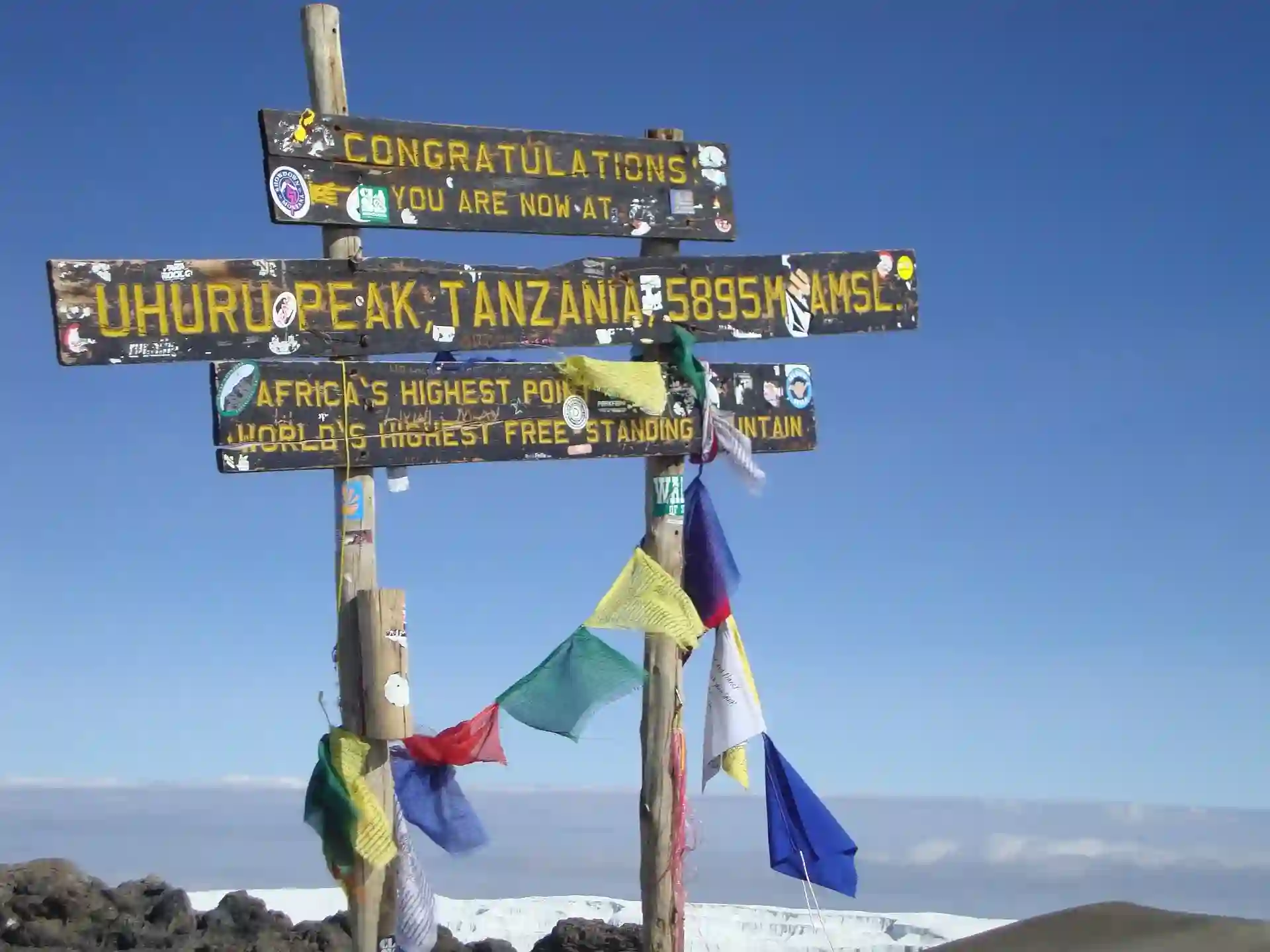
At 5,895 metres, Kilimanjaro’s summit is in the extreme-altitude zone. The combination of trekking, cold, disturbed sleep and reduced oxygen availability places considerable demand on the body.
Altitude can also suppress appetite. Food that seemed attractive in Moshi may feel less appealing at 4,600 metres, particularly if a climber is tired or mildly nauseated. Research reviews on nutrition at altitude describe challenges including reduced energy intake, increased energy expenditure, altered appetite and dehydration risk.
This is why a mountain menu should provide several opportunities to eat rather than depending on one very large evening meal. Familiar carbohydrates are useful because they are generally easy to digest and provide energy for walking. Protein remains important for recovery and maintaining muscle, while dietary fat adds energy and variety.
Practical high-altitude foods include:
- Porridge and breakfast cereals
- Rice, potatoes, pasta, bread and chapati
- Bananas and other fruit
- Soups and stews
- Beans, lentils and peas
- Eggs and dairy products for climbers who eat them
- Nut or seed products when no group member has a relevant allergy
- Energy bars, sweets, dried fruit and other familiar snacks
Eating a particular food does not prevent Acute Mountain Sickness. A good menu supports energy and recovery, but it cannot replace a gradual ascent, appropriate pacing, health monitoring or descent when medically required.
Vegetarian Meals on Kilimanjaro
A vegetarian Kilimanjaro menu is normally straightforward to arrange. Tanzania has many familiar plant-based staples, including beans, lentils, peas, rice, potatoes, maize, vegetables and fruit.
However, “vegetarian” can mean different things. Tell us which description applies to you:
- Lacto-ovo vegetarian: eats dairy products and eggs but no meat or fish
- Lacto-vegetarian: eats dairy products but not eggs, meat or fish
- Ovo-vegetarian: eats eggs but not dairy products, meat or fish
- Pescatarian: eats fish but no meat or poultry
A vegetarian menu may include vegetable omelettes, porridge, pancakes, vegetable sandwiches, soup, rice with beans, lentil curry, vegetable pasta, potato dishes, ugali, stewed vegetables and fruit.
Protein can come from eggs, milk, yoghurt or cheese when included in the climber’s diet, together with beans, lentils, peas and other plant foods. Availability of specialised meat substitutes should not be assumed on the mountain. A strong expedition menu is usually built around reliable local and naturally vegetarian ingredients rather than highly processed substitutes.
Vegan Meals on Kilimanjaro
Vegan meals can also be prepared, but they require clearer advance planning because several common breakfast and baking ingredients may contain milk or eggs.
A vegan diet excludes:
- Meat, poultry and fish
- Eggs
- Milk, butter, cheese and yoghurt
- Ingredients derived from animal products
- Honey, for some vegans
Suitable mountain dishes may include:
- Porridge prepared with water or an available plant drink
- Fruit and toast with an appropriate spread
- Potatoes, tomatoes, mushrooms and baked beans
- Vegetable or lentil soup
- Rice with beans, chickpeas or lentils
- Vegetable curry
- Pasta with tomato-and-vegetable sauce, subject to checking the pasta ingredients
- Ugali with vegetables and legumes
- Chapati, provided its ingredients meet the climber’s requirements
- Popcorn, fruit or suitable biscuits
Vegan climbers should tell us whether honey is acceptable and whether they avoid trace ingredients or cross-contact for ethical reasons. It is also sensible to bring several tested vegan snacks from home because speciality energy products may be difficult to replace locally.
Do not begin a highly restrictive diet immediately before the climb. Use your training period to identify breakfasts, snacks and recovery foods that you digest comfortably during long hiking days.
Gluten-Free Meals on Kilimanjaro
Many useful mountain foods are naturally gluten-free, including plain rice, potatoes, maize, fruit, vegetables, beans and lentils. This makes a gluten-free menu possible, but the level of control required depends on why the climber avoids gluten.
Gluten-Free by Preference or Non-Coeliac Sensitivity
Some people avoid gluten by personal preference or because it causes digestive discomfort. Explain whether you can tolerate small amounts, shared utensils or products carrying a “may contain” warning. This helps the team understand whether simple ingredient substitutions are sufficient or whether stricter handling is required.
Possible substitutions include:
- Rice, potatoes or ugali instead of bread or ordinary pasta
- Certified or verified gluten-free porridge ingredients
- Plain fruit instead of ordinary biscuits
- Gluten-free bread, crackers or pasta when sourced in advance
- Soups and sauces prepared without wheat flour or gluten-containing stock products
Coeliac Disease
Coeliac disease is an autoimmune condition, not a preference. The only treatment is a strict gluten-free diet. Gluten is found in wheat, barley and rye, and cross-contact can occur when gluten-free food touches contaminated surfaces, utensils, spreads, chopping boards or cooking water. Coeliac UK’s guidance recommends clean surfaces, pots and utensils and careful separation during preparation.
A climber with diagnosed coeliac disease should contact us before paying a deposit or booking flights. We need to review:
- The medical diagnosis and level of sensitivity
- Foods and ingredients that must be excluded
- Whether certified products are required
- Cross-contact controls needed during storage, preparation and service
- Safe snacks the climber will bring
- The consequences and treatment plan if accidental exposure occurs
Potential sources of hidden gluten include stock cubes, soup mixes, sauces, sausages, ordinary oats, seasoning blends, biscuits, bread, pasta and shared spreads. Even a naturally gluten-free meal can become unsuitable through a contaminated spoon, chopping board or serving utensil.
We will assess each case honestly. A portable mountain kitchen is a shared working environment rather than a certified gluten-free facility. If we cannot reduce the risk to a level that you and your clinician consider acceptable, we will tell you before the climb rather than offer a false guarantee.
Lactose Intolerance Is Not the Same as a Milk Allergy
Lactose intolerance is a digestive problem involving difficulty breaking down lactose, the sugar in milk. Symptoms may include bloating, cramps or diarrhoea. Tolerance varies: some people can eat yoghurt or small quantities of dairy, while others avoid it completely.
A cow’s-milk allergy involves the immune system and can be serious. Someone with a milk allergy may need to avoid milk proteins in butter, cheese, yoghurt, chocolate, baked products, sauces and powdered ingredients. A request for “no milk” is therefore not enough information.
Before the climb, tell us:
- Whether the issue is intolerance or allergy
- Which dairy products you tolerate, if any
- Whether lactose-free dairy is suitable
- Which plant alternatives you normally use
- Whether shared utensils or trace exposure present a risk
- What medication you carry
Plant drinks and specialised dairy-free products may be available with advance sourcing, but brands and supplies can vary. Bring any essential product that is safe to travel with and difficult to substitute, after checking Tanzanian import rules.
Food Allergies on Kilimanjaro
Food allergies require the highest level of care because exposure can cause symptoms ranging from hives and vomiting to life-threatening anaphylaxis. Remote camps, changing weather and slow access to definitive medical care make prevention especially important.
The CDC Yellow Book guidance for severely allergic travellers recommends a pre-travel medical review, sufficient medication, an up-to-date action plan and immediately accessible injectable adrenaline for people at risk of anaphylaxis.
Tell Us the Exact Allergen
Do not write only “nut allergy” or “special diet”. Identify the specific trigger—for example:
- Peanut
- Cashew
- Almond
- Sesame
- Milk
- Egg
- Wheat
- Soya
- Fish
- Shellfish
- Mustard
List local or alternative names where relevant. Explain whether refined oils, traces, shared equipment or “may contain” products are safe for you.
Explain the Severity
Tell us what has happened during previous reactions and what level of exposure caused them. Include:
- Symptoms previously experienced
- Whether anaphylaxis has occurred
- Whether airborne exposure or skin contact causes symptoms
- Whether asthma is also present
- Prescribed medication and emergency instructions
- Whether you can recognise early symptoms yourself
This information should be shared with the operations team before the climb and repeated privately to the lead guide and chef during the pre-climb briefing.
Understand Cross-Contact
Cross-contact occurs when an allergen is unintentionally transferred to otherwise suitable food. It can happen through hands, knives, pans, chopping boards, serving spoons, storage containers, cloths or shared spreads.
Risk-reduction steps may include:
- Buying clearly labelled ingredients in advance
- Keeping identified foods in closed, labelled containers
- Cleaning preparation surfaces and utensils thoroughly
- Preparing the special meal before allergen-containing dishes
- Using separate serving utensils
- Avoiding uncertain sauces, mixes and unlabelled snacks
- Serving the affected climber directly rather than from a shared buffet
These controls can reduce risk but cannot turn a shared expedition kitchen into a certified allergen-free facility.
Carry Your Own Emergency Medication
If you have been prescribed adrenaline auto-injectors, antihistamines, inhalers or other rescue medication, bring the amount recommended by your doctor for remote travel. The CDC notes that injectable adrenaline is not easily available in many countries and advises extra devices when access to medical care is uncertain.
Medication must remain with you or an informed companion. Do not place it in checked luggage, a duffel transported by a porter or a bag that may reach camp hours after you. Everyone who may need to help should know where it is and how your written action plan works.
Temperature matters. Follow the manufacturer’s storage instructions and ask your clinician or pharmacist how to protect your medication from both freezing summit temperatures and excessive heat. Anaphylaxis UK advises travellers to carry at least two adrenaline devices and notes that more may be appropriate in remote locations.
Emergency oxygen and a mountain first-aid kit do not replace adrenaline in the treatment plan for anaphylaxis. Discuss suitability for a remote high-altitude trek with an allergy specialist or travel-health doctor before booking.
Summit-Night Food and Snacks
Summit night is long, cold and physically demanding. Most climbers leave high camp around midnight and eat a light meal beforehand. Your appetite may be limited, so familiar, compact foods are especially valuable.
Bring several personally tested snacks that fit your diet, such as:
- Energy chews or sweets
- Gluten-free or vegan energy bars
- Dried fruit
- Crackers that meet your requirements
- A nut or seed product only when safe for you and compatible with the group’s allergy plan
- Another familiar snack that remains edible in cold temperatures
Test snacks during training hikes. Some bars become extremely hard in the cold, while rich or unfamiliar foods may be difficult to tolerate at altitude. Keep summit snacks in an inside pocket where possible and use packaging that can be opened while wearing gloves.
Carry every wrapper back down. Kilimanjaro’s environment should not bear the cost of convenience food.
Should You Bring Food From Home?
The mountain team supplies your planned meals, so you should not need to bring a complete expedition menu. Personal snacks are still useful, particularly when you have a restrictive diet or know which foods remain appealing when tired.
Consider bringing:
- Clearly labelled energy bars or chews
- A small reserve of safe snacks
- A familiar electrolyte product, if you use one
- An essential speciality product agreed with the operator
- Ingredient information for any product handed to the chef
Keep products in their original sealed packaging. Check airline, customs and Tanzanian import restrictions before travelling, especially for fresh food, meat, seeds or unlabelled homemade items.
Do not rely on supplements to compensate for an inadequate menu. Discuss iron, vitamin B12 or other supplementation with a qualified healthcare professional rather than starting high doses immediately before the climb.
Managing Appetite Loss, Nausea and Digestive Problems
Reduced appetite can occur at altitude, but nausea, vomiting and loss of normal performance may also be symptoms of Acute Mountain Sickness. Tell your guide rather than assuming the problem is only food-related.
Helpful eating strategies may include:
- Eating smaller amounts more frequently
- Starting with bland, familiar carbohydrate foods
- Using soup or another warm food when solid meals feel difficult
- Keeping a preferred snack accessible in your daypack
- Drinking regularly without forcing excessive water
- Avoiding alcohol during the climb
Diarrhoea, repeated vomiting or inability to eat and drink can cause dehydration and weakness. These symptoms require assessment because infection, food intolerance, altitude illness and other conditions can overlap.
Do not hide symptoms to protect your summit attempt. The guide needs accurate information to make a safe decision.
Practical Limits of a Mountain Kitchen
Honest expectations are essential. A Kilimanjaro kitchen operates from a tent or simple hut facility, using portable stoves and supplies carried by the crew. Weather, transport, storage space and changing temperatures all affect operations.
This means:
- Specialised brands may not be available unless sourced in advance
- Labels and formulations may differ from products sold in your home country
- The kitchen is shared and cannot automatically be described as allergen-free
- Menus may change if an ingredient is unavailable or no longer suitable
- A complicated diet may require a simpler, more repetitive menu
- The safest option may be a naturally suitable dish rather than an imitation product
A straightforward meal of rice, lentils and vegetables may be safer and more reliable than an unfamiliar packaged substitute. The priority is adequate energy, clear ingredients and a preparation process appropriate to the agreed dietary plan.
Questions to Ask Before Booking
If food is an important concern, ask the operator:
- Have you managed this specific diet or allergen before?
- Who receives my dietary information and who briefs the mountain chef?
- Which ingredients are likely to appear in soups, sauces, snacks and stock products?
- Can required specialist foods be sourced locally?
- How will my ingredients be labelled and stored?
- What steps can be taken to reduce cross-contact?
- Are shared utensils, pans or serving dishes used?
- Should I bring my own snacks or staple products?
- What happens if the planned substitute becomes unavailable?
- How is an allergic reaction or serious illness managed on the route?
- How quickly could descent and further medical care be arranged?
- What travel insurance and medical documentation should I carry?
Be cautious if an operator promises that every allergy is “no problem” without asking about severity, previous reactions or cross-contact.
Our Kilimanjaro Meal Approach
Tanzania Inside Safari provides a mountain chef and plans substantial meals for energy and recovery. Our website’s Kilimanjaro information confirms that vegetarian, vegan and gluten-free diets can be accommodated with advance notice, alongside regular meals and refreshment stops.
Our planning approach includes:
- Asking for dietary information before the climb
- Clarifying the difference between preferences, intolerances, coeliac disease and allergies
- Planning suitable substitutions with the mountain team
- Using naturally suitable local staples where practical
- Encouraging climbers to bring familiar personal snacks
- Reviewing serious allergies individually before confirmation
- Communicating known requirements to the guide and chef
- Treating new symptoms seriously on the mountain
We do not describe a shared expedition kitchen as medically guaranteed allergen-free. Our responsibility is to listen carefully, plan honestly, reduce avoidable risk and tell you when a requirement needs further medical or operational review.
Frequently Asked Questions
Can vegetarians climb Kilimanjaro without bringing their own meals?
Yes. Vegetarian breakfasts, lunches and dinners can normally be provided throughout the trek. Explain whether you eat eggs and dairy so the chef can plan suitable protein sources and substitutions.
Can vegans be catered for on Kilimanjaro?
Yes, with advance notice. Vegan meals can use rice, potatoes, maize, beans, lentils, vegetables, fruit and suitable breads or pasta. Bring a selection of familiar vegan trail snacks.
Is gluten-free food available on Kilimanjaro?
Yes, gluten-free meals can usually be planned using naturally gluten-free staples and selected substitute products. A preference or sensitivity must be distinguished from diagnosed coeliac disease, which requires stricter cross-contact controls and individual assessment.
Can Tanzania Inside Safari guarantee a coeliac-safe kitchen?
A Kilimanjaro kitchen is a shared, portable expedition environment, not a certified gluten-free facility. Contact us before booking so we can assess ingredients, handling and cross-contact controls and explain the residual risk honestly.
What is the difference between an intolerance and an allergy?
An intolerance usually affects digestion and is not caused by the same immune mechanism as a food allergy. A food allergy can cause rapid and potentially life-threatening reactions. The chef and guide need to know which condition applies.
Can the climb be made nut-free?
This requires individual assessment. We may be able to remove identified nuts from the planned group menu, but cannot automatically guarantee that every product or shared environment is free from traces. State the exact allergen and severity before booking.
Should I bring an adrenaline auto-injector?
If it has been prescribed, bring the number recommended by your clinician for remote travel and keep the devices immediately accessible. Do not pack them in a porter-carried duffel or checked luggage. Carry your written emergency plan as well.
Will the crew carry my medication?
Emergency medication should remain with you or an informed companion who stays close to you. The guide should know its location, but medicine needed immediately must not be inside luggage transported separately.
Should I bring my own energy bars?
Yes. Familiar snacks are useful for summit night and for moments when altitude reduces your appetite. Bring products that meet your dietary requirements, test them during training and check that they remain edible in cold weather.
Can meals be both vegan and gluten-free?
Usually, yes. Rice, potatoes, maize, beans, lentils, vegetables and fruit provide a useful base. The combined requirement must be disclosed early so that sauces, stocks, breads, pasta, snacks and cross-contact can be considered together.
Are halal or other religious diets available?
Many requirements can be addressed with advance planning, but explain the exact standard you follow. If certified meat or a particular preparation process is essential, confirm availability before booking rather than assuming it can be arranged at the last minute.
What if I lose my appetite at altitude?
Try small amounts of familiar food and tell your guide. Loss of appetite accompanied by headache, nausea, vomiting, dizziness or reduced walking performance may be related to altitude illness and requires assessment.
When should I tell the operator about my diet?
Tell us during the first planning conversation. Serious allergies and coeliac disease should be reviewed before you confirm the climb; other dietary requirements should still be provided several weeks before departure.
Plan Your Kilimanjaro Climb Around Your Dietary Needs
Your diet should be discussed as part of the expedition plan, not added as a final note after the food has been purchased.
Tell us your route, travel dates, foods you avoid, safe alternatives and whether the requirement is a preference, intolerance, coeliac disease or allergy. For an allergy, include the trigger, reaction history, cross-contact sensitivity and medication you carry. Our local Kilimanjaro team will review the request and explain the most practical meal plan.
Medical disclaimer: This article provides general information and does not replace advice from your doctor, allergy specialist or registered dietitian. Travellers with coeliac disease, severe allergies, metabolic conditions or other medically prescribed diets should obtain individual advice before undertaking a remote high-altitude climb.