


Kilimanjaro Airport, Moshi Hotels and Pre-Climb Arrival Planning
A practical guide to JRO flights, included transfers and accommodation, the briefing and gear-check day, and post-trek recovery.

Arrival Planning at a Glance
- Book flights to Kilimanjaro International Airport (JRO) whenever the itinerary and fare are practical.
- Send Tanzania Inside Safari your complete flight details, including the airline, flight number, date and arrival time.
- Keep boots, essential clothing, medication and important documents in cabin baggage.
- Arrive on the scheduled arrival day rather than landing immediately before the trek.
- Use the separate briefing day to meet the lead guide, inspect equipment and solve rental or packing gaps.
- Stay in Moshi for convenient mountain operations and trailhead transfers.
- Keep the post-trek decompression day free for sleep, laundry, repacking and recovery.
- Reconfirm what your written package includes; Tanzania Inside Safari packages include the scheduled hotels and airport transfers described in the confirmed itinerary.
What Is Kilimanjaro International Airport?
Kilimanjaro International Airport is in northern Tanzania between Moshi and Arusha. The official airport website identifies it as the regional international gateway, and its location serves both Kilimanjaro travel and northern Tanzania safari circuits. Visit the official Kilimanjaro International Airport website.
The airport codes matter when booking:
| Airport | Code | Best use for a Kilimanjaro trip |
|---|---|---|
| Kilimanjaro International Airport | JRO | The most direct international and regional gateway for Moshi and Kilimanjaro. |
| Julius Nyerere International Airport, Dar es Salaam | DAR | A possible connection point, but it requires a domestic flight or long overland journey to northern Tanzania. |
| Abeid Amani Karume International Airport, Zanzibar | ZNZ | Useful when combining the climb with Zanzibar; a separate connection to JRO is normally required. |
| Arusha Airport | ARK | Mainly serves domestic and safari flights; it is not the usual international arrival airport for the climb. |
Do not confuse JRO with ARK. A ticket labelled “Arusha” may use one of several airports depending on the airline and booking system. Check the airport code, not only the city name.
Which Flights Reach JRO?
Flight schedules change by season and airline. Travellers commonly reach JRO through major African or Middle Eastern hubs, or connect through Dar es Salaam, Zanzibar or Nairobi. New routes may be added and seasonal services may stop, so the airline's live timetable should always be checked before payment.
When comparing tickets, look beyond the cheapest fare:
- Total journey time and number of connections
- Minimum connection time at each airport
- Whether checked luggage is transferred automatically
- Whether separate tickets require immigration and re-checking bags
- Change and cancellation conditions
- Arrival time at JRO
- Baggage allowance on every flight, especially a domestic sector
A protected through-ticket is generally easier to manage than unrelated separate tickets. If the first flight is delayed on separate bookings, the next airline may have no obligation to rebook you.
Why Moshi Is the Main Pre-Climb Base
Moshi is the administrative centre of the Kilimanjaro Region and sits close to the mountain's southern side. It offers hotels, equipment-rental shops, pharmacies, banks, restaurants and access to the route gates.
For climbers, Moshi provides several practical advantages:
- Shorter operational access to many Kilimanjaro trailheads
- Easy meetings with local guides and the mountain office
- Convenient equipment inspection and rental replacement
- A calmer transition from international travel to trekking
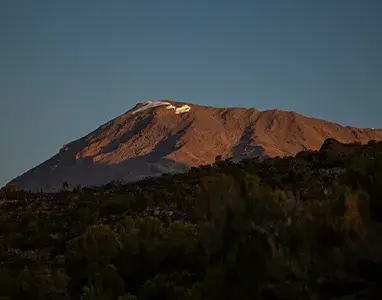
- Views of Kilimanjaro when the mountain is clear
- Useful recovery services after the climb
Arusha is an excellent base for northern-circuit safaris and some international travellers prefer its larger-city atmosphere. However, moving to Moshi before the climb avoids adding an unnecessary transfer on the morning of the trek.
The Tanzania Inside Safari Package Structure
Many online prices describe only the number of trekking days. A “seven-day Machame climb” may therefore mean seven days in the park, not the full time required in Tanzania.
Tanzania Inside Safari frames the climb as a complete expedition. For example, the company's current Machame programme is presented as an 11-day tour with 10 nights, including a seven-day trek. See the Tanzania Inside Safari Machame itinerary.
| Stage | Purpose |
|---|---|
| Arrival day | Airport welcome, private transfer to Moshi, hotel check-in, food, hydration and rest. |
| Briefing and gear-check day | Meet the lead guide, review the route and safety system, inspect equipment and correct missing items. |
| Mountain itinerary | Complete the confirmed route with guides, crew, accommodation and trek logistics. |
| Gate return | Transfer from the finishing gate back to the Moshi hotel. |
| Decompression day | Recover, sleep, shower, repack, process the experience and prepare for onward travel. |
| Departure | Scheduled transfer from the hotel to the airport. |
The hotel nights and airport transfers specified in the confirmed Tanzania Inside Safari package are included. Extra nights, room upgrades, early check-in, late check-out, meals outside the package and changes caused by personal flight arrangements should be confirmed separately in writing.
Arrival Day: What to Expect
After landing at JRO, you pass through immigration, collect your baggage and complete customs formalities. Processing time varies according to flight arrivals, visa status and airport operations.
The Tanzania Inside Safari representative meets you according to the confirmed arrival details and transfers you to the booked hotel in Moshi. Keep the company's contact number and hotel name available offline in case you cannot immediately find the driver.
Arrival day is intentionally light. Its priorities are:
- Reaching the hotel safely
- Eating a normal meal
- Rehydrating after the flight without forcing excessive water
- Sleeping and adapting to the local time zone
- Confirming that all checked bags have arrived
- Reporting illness, injury or missing equipment promptly
It is not a day for intense training. A short walk and gentle movement can help after a long flight, but avoid exhausting sightseeing, heavy alcohol consumption or a late night.
Airport Transfers: Information We Need
Send the operations team:
- Passenger names as shown on passports
- International and domestic flight numbers
- Arrival and departure dates and local times
- Airport codes for every relevant sector
- Mobile and WhatsApp number that works in Tanzania
- Number and approximate size of bags
- Any mobility or child-seat requirements
- Details of travellers arriving on different flights
Inform the team immediately if a flight is cancelled, diverted or delayed. A screenshot is helpful, but the updated flight number and estimated arrival time are essential.
If you arrive earlier than the package start or leave later, Tanzania Inside Safari can arrange additional accommodation and transfers, subject to availability and any stated extra cost.
The Briefing and Gear-Check Day
The separate preparation day is one of the most valuable parts of the package. It creates time to solve problems before porters, vehicles, permits and food move towards the gate.
During the briefing, the lead guide normally covers:
- The route, camp sequence and expected walking times
- Altitude symptoms and honest health reporting
- The “pole pole” pace and group procedures
- Daily bag access and porter-duffel arrangements
- Drinking water, meals and dietary needs
- Toilets, washing and camp routines
- Weather, layering and summit-night clothing
- Health checks, emergency oxygen and descent decisions
- Tipping and end-of-trek arrangements
The gear check confirms that critical items are present, fit correctly and work. Boots, waterproofs, insulation, gloves, sleeping bag, headlamp, batteries, daypack, water containers and trekking poles deserve particular attention.
This is also the time to identify rental needs. Do not leave boot fitting or a major equipment decision until the morning of departure.
Why Arriving the Same Day as the Trek Is Risky
Landing and travelling directly to the trailhead creates avoidable pressure. Even when the flight is on time, a traveller may be tired, dehydrated, jet-lagged or missing baggage.
The separate arrival and briefing days provide a buffer for:
- Delayed or misrouted luggage
- Flight disruptions
- Equipment rental or replacement
- Recovery from long-haul travel
- Stomach upset or minor illness
- Payment, document or insurance questions
- A proper meeting with the guide
This buffer does not count as high-altitude acclimatisation because Moshi is far below Kilimanjaro's upper camps. Its value is operational readiness, sleep and reduced stress.
Choosing a Moshi Hotel
The best pre-climb hotel is not necessarily the most luxurious. It should support rest, organisation and reliable mountain logistics.
Look for:
- A clean, quiet room and comfortable bed
- Secure luggage storage during the climb
- Early breakfast or packed-breakfast arrangements when required
- Hot water and reliable sanitation
- Space for the guide briefing and gear inspection
- Laundry service with realistic return times
- Restaurant options that suit dietary needs
- Easy vehicle access and communication with the operator
Tanzania Inside Safari selects the scheduled hotel according to the confirmed package category and availability. The exact property may vary, so travellers should rely on their final itinerary rather than assume a hotel from a sample programme.
Single Rooms, Shared Rooms and Upgrades
Confirm whether your quote is based on twin, double or single occupancy. Solo travellers may have a single-room supplement depending on the package. Upgrades and extra nights are subject to availability and should be arranged early during busy periods.
Secure Luggage Storage
You do not take every travel item onto Kilimanjaro. Suitcases, safari clothing and beach items can normally remain in secure hotel or operator-arranged storage while you climb. Do not leave cash, passports or high-value electronics in an unlocked bag. Ask how valuables are recorded and stored.
Cabin Baggage: Protect the Climb-Critical Items
Delayed luggage is one of the most common reasons an arrival buffer becomes useful. Pack the following in cabin baggage whenever airline rules allow:
- Broken-in hiking boots
- Prescription medication and copies of prescriptions
- Passport, visa and insurance documents
- One complete trekking outfit
- Waterproof jacket
- Warm mid-layer and basic thermal layer
- Gloves and warm hat
- Essential electronics and charging cables
- Contact lenses or glasses
- Small personal hygiene kit
Sharp items, trekking poles, large liquids and some batteries may be restricted. Check the rules for every airline in the itinerary. Never pack power banks or spare lithium batteries in checked luggage when the airline requires them in the cabin.
Visas, Passports and Entry Health Requirements
Entry rules can change. Before departure, check official Tanzanian immigration, airline and public-health information for your nationality and routing.
Confirm:
- Passport validity and blank-page requirements
- Whether you need a visa before travel or qualify for another process
- Transit-visa rules at connecting airports
- Yellow-fever certificate rules based on the countries you enter or transit
- Any current health declaration requirements
- Travel insurance covering trekking to at least 6,000 metres
Keep digital copies and one paper copy separate from the originals. The operator can provide practical guidance, but border authorities make the final entry decision.
Money, Connectivity and Final Purchases in Moshi
Use the preparation day for modest final tasks rather than a full shopping expedition. ATMs and card acceptance can be affected by bank limits, network availability and foreign-card controls. Bring more than one payment method and notify your bank before travel.
A local SIM or eSIM may help with communication, but coverage on the mountain is inconsistent and should never be treated as an emergency system. Download insurance documents, emergency contacts, flight details and the final itinerary for offline access.
Buy personal snacks or toiletries in Moshi if desired, but rely on the guide's gear inspection before purchasing technical equipment. A cheap item that looks warm in town may not perform well near 5,895 metres.
The Decompression Day After the Trek
The day after leaving the mountain should not be treated as wasted time. Summit day and the final descent can leave climbers tired, dehydrated and sore, even when they feel excited at the gate.
Tanzania Inside Safari includes a post-trek decompression day so you can:
- Sleep without an early departure
- Shower, wash and organise equipment
- Eat, drink and restore normal routines
- Review photographs and celebrate with companions
- Report any persistent medical symptoms
- Prepare calmly for a safari, Zanzibar or international flight
Optional activities may include a gentle Moshi excursion, Materuni, Chemka Hot Springs or a nearby day trip, depending on recovery, timing and the confirmed programme. These should remain optional. Rest is the priority when you are exhausted or unwell.
Breathlessness at rest, confusion, loss of coordination, chest symptoms, persistent vomiting or severe weakness require medical attention rather than sightseeing.
Connecting the Climb With Safari or Zanzibar
Moshi works well as the transition point between Kilimanjaro and the rest of Tanzania. After the decompression day, travellers may continue by road towards Arusha and the northern safari circuit, fly from JRO to Zanzibar, or begin another tailored programme.
Avoid booking an inflexible onward departure immediately after the expected gate return. Weather, health, pace and park logistics can affect timing. A recovery day provides a valuable margin, but flights and safari arrangements should still be coordinated with the climb schedule.
Common Arrival-Planning Mistakes
- Booking ARK when the transfer plan expects JRO
- Landing on the same morning that the trek starts
- Sending incomplete or outdated flight details
- Packing boots and all warm clothing in checked baggage
- Assuming a “seven-day climb” includes hotels and transfers
- Ignoring domestic-flight baggage limits
- Planning a late night before the trailhead departure
- Leaving gear rental until the last minute
- Booking an immediate post-climb flight with no recovery margin
- Assuming early check-in or late check-out is automatically included
Frequently Asked Questions
Are Airport Transfers Included?
Yes. Tanzania Inside Safari's Kilimanjaro packages include the scheduled airport transfers described in the confirmed itinerary, including arrival and departure transfers. Extra journeys created by different dates, airports or personal plans should be confirmed separately.
Are Moshi Hotels Included?
Yes. The package includes the hotel accommodation stated in the confirmed climb itinerary. The company structure includes an arrival day, briefing and gear-check day, and post-trek decompression day. Room type, exact hotel, meals and any extra nights are shown in the proposal.
Can I Arrive One Day Before the Trek?
Tanzania Inside Safari plans a dedicated arrival day followed by a separate briefing and equipment-check day. This is more responsible than arriving immediately before the trailhead transfer.
What Happens If My Bag Is Delayed?
Notify the airline and obtain a baggage-report reference before leaving the airport, then inform Tanzania Inside Safari. The buffer day gives the team time to help assess rentals or replacements, but the airline remains responsible for tracing and delivering the bag.
Should I Stay in Moshi or Arusha?
Moshi is the preferred operational base for the climb because it is close to Kilimanjaro and the mountain team. Arusha may suit a safari connection, but an additional transfer is needed before many climbs.
Is the Decompression Day a Safari Day?
No. It is primarily a recovery day. Optional excursions can be added when appropriate, but they should not replace rest or medical assessment when needed.
Our Complete Arrival-to-Departure Approach
At Tanzania Inside Safari, the expedition begins when we meet you at the airport and continues until the scheduled departure transfer. We coordinate the Moshi hotel, arrival logistics, guide briefing, equipment inspection, mountain operation, gate transfer and decompression day as one connected programme.
This structure provides time to identify problems before the climb and recover afterwards. It also makes price comparisons more honest: travellers can compare the complete number of days, nights and transfers rather than only the time inside Kilimanjaro National Park.
Plan Your Kilimanjaro Arrival With Us
Send us your proposed travel dates, international flight options, preferred route, room requirements and onward safari or Zanzibar plans. Our local team will build the arrival, climb and recovery schedule around the complete journey.
Practical note: Flight schedules, airport procedures, entry requirements, hotel availability and third-party services can change. Always use the final confirmed itinerary, current airline information and official Tanzanian entry guidance. Package inclusions are governed by your written proposal and booking terms.