


How to Choose a Kilimanjaro Tour Operator: Safety, Crew Welfare and Questions to Ask
Compare Kilimanjaro tour operators using licensing, guide experience, altitude safety, porter welfare, transparent pricing and essential questions.
Choosing an Operator at a Glance
Choosing a Kilimanjaro tour operator is not simply a matter of finding the lowest price or the most attractive website. The company you select will design your ascent schedule, employ your guides and porters, provide your food and equipment, monitor your response to altitude and make decisions if you become sick.
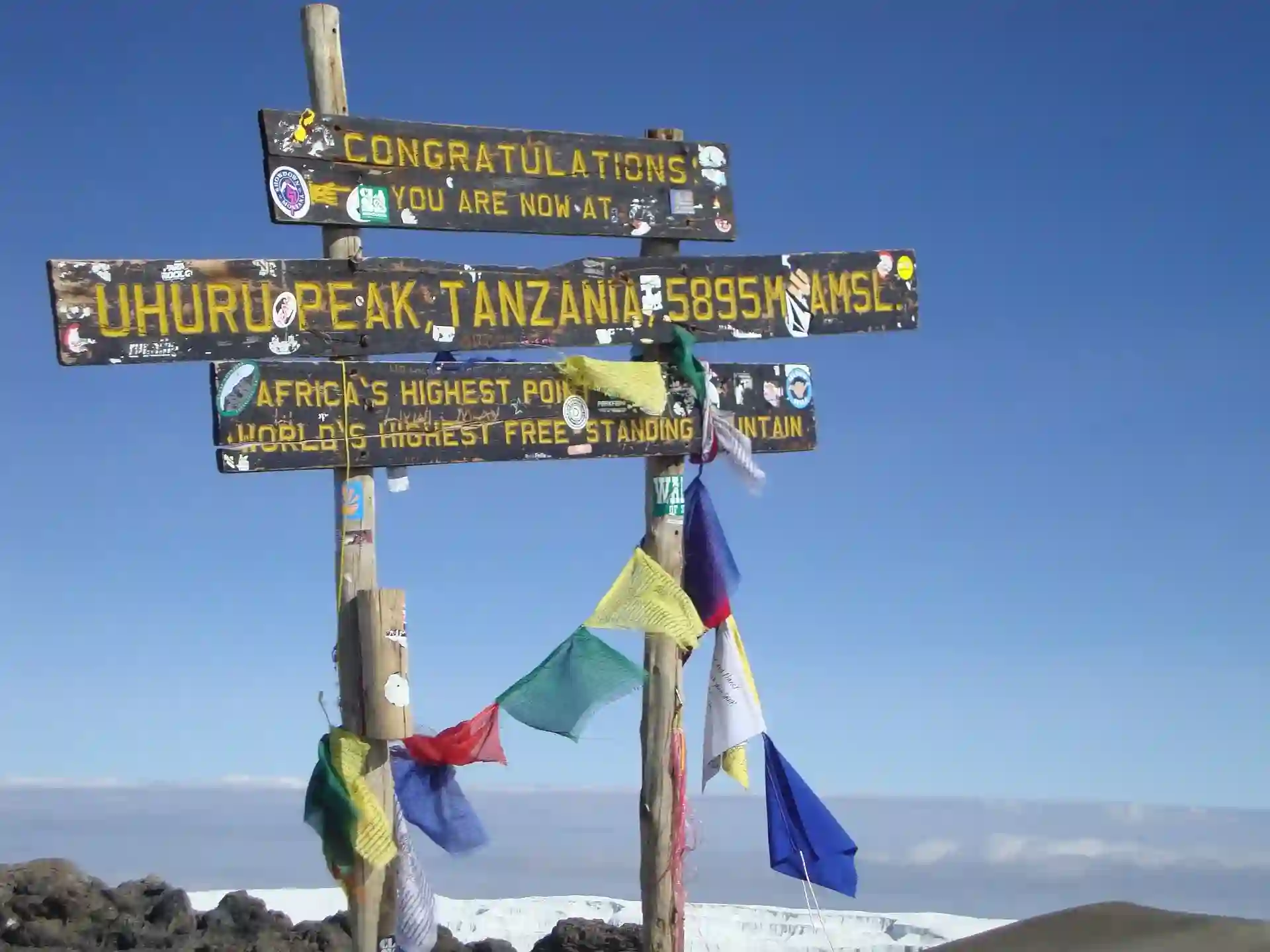
On a mountain reaching 5,895 metres (19,341 feet), those responsibilities matter. A responsible operator cannot guarantee that you will reach Uhuru Peak, because individual acclimatisation is unpredictable. It can provide a properly designed itinerary, competent local guides, reliable emergency equipment, fair working conditions and honest decisions when continuing is unsafe.
The best choice is therefore not necessarily the largest, most expensive or most heavily reviewed company. It is the operator that can show—clearly and specifically—how it manages safety, logistics, crew welfare and your money.
This guide explains what to verify, which questions to ask and how to recognise answers that sound reassuring but provide little evidence.
Before paying a deposit, check that the operator can provide:
- A current Tanzanian tourism business licence for tour-operating activities
- A registered company identity and traceable local contact details
- A written itinerary showing daily routes, camps and sleeping elevations
- A realistic number of trekking days for acclimatisation
- Experienced, properly registered Kilimanjaro guides
- A clear guide-to-climber and assistant-guide plan
- Regular symptom-based health assessments
- Emergency oxygen, a suitable first-aid kit and a tested evacuation procedure
- A policy that prioritises descent over summit statistics
- Appropriate crew numbers and load management
- Crew wages, meals, shelter, equipment and medical support
- A transparent tipping procedure
- A detailed price showing inclusions and exclusions
- Written booking, cancellation and refund terms
- Secure payment instructions in the company’s recognised name
- A gear list, pre-climb briefing and equipment check
- A clear answer to every question without pressure to book immediately
One logo, award or review score cannot replace these checks. Look at the complete operating system.
Why Your Kilimanjaro Operator Matters
Kilimanjaro’s standard routes do not normally require ropes or technical mountaineering skills, but that does not make the climb risk-free.
Most visitors travel from relatively low elevation to almost 6,000 metres within several days. This rapid ascent exposes every climber to Acute Mountain Sickness and, in rare cases, the life-threatening conditions High-Altitude Cerebral Edema and High-Altitude Pulmonary Edema.
The operator influences your risk through:
- The route and number of days it recommends
- The sleeping-altitude progression
- Walking pace
- Guide experience
- Group size and staffing
- Symptom monitoring
- Nutrition, hydration and camp organisation
- Equipment maintenance
- Communication between guides
- Willingness and ability to organise descent
The operator also determines how the people carrying tents, food, fuel and group equipment are treated. A very cheap climb may shift hidden costs onto porters through low pay, overloaded bags, inadequate food, poor shelter or pressure to depend on tips.
A responsible comparison therefore has two equal questions:
- Will this company protect climbers through sensible planning and decisions?
- Will it operate without exploiting the mountain crew?
Start by Verifying the Legal Business
Ask the company for its full registered name and current tourism business licence. Tanzanian tour operators are licensed within the national tourism regulatory system, commonly discussed in the industry as a TALA tourism licence.
A licence is an essential first check because it shows that you are dealing with an entity authorised to conduct tourism business. It is not proof that every climb is well managed, but the absence of a valid licence is a serious warning.
You can also ask for:
- Company registration details
- Physical office address
- Tanzanian telephone numbers
- Tax identification details where appropriate
- The name shown on the bank account or payment gateway
- The person responsible for your booking
- Emergency contact information
The name on the proposal, invoice, contract and payment instructions should make sense together. If different businesses appear, ask for a written explanation before transferring money. An overseas agency may legitimately sell a climb operated by a Tanzanian company, but it should identify the ground operator and explain who holds contractual responsibility.
What a Licence Does—and Does Not—Tell You
A valid licence indicates legal compliance at a basic level. It does not automatically prove:
- Strong altitude-management decisions
- Up-to-date guide training
- Good porter treatment
- Quality tents or food
- Accurate summit-success claims
- Financial protection in your home country
- Consistently good service
Licensing belongs at the start of due diligence, not the end.
Local Operator, Overseas Agency or Booking Platform?
Kilimanjaro climbs are sold through several business models.
Tanzanian Local Operator
A locally based operator plans and delivers the climb using its own operational team or regular contracted crew. Booking directly can make communication faster, keep more revenue in Tanzania and give you clearer access to the people organising the expedition.
Direct booking does not automatically guarantee quality. You still need to check licensing, safety procedures, crew welfare and payment terms.
Overseas Travel Company
An overseas company may design packages, provide consumer protection under its national laws and coordinate international travel. The climb itself will normally be delivered by a licensed Tanzanian operator.
Ask for the ground operator’s name. You need to know whose guides, equipment and emergency procedures will actually be used.
Online Marketplace or Reseller
A platform may introduce you to an operator, collect payment or bundle services. Read its role carefully. Some platforms are only advertising or lead-generation services and are not responsible for operating the climb.
Ask:
- Who is my legal contracting party?
- Who receives my money?
- Who holds the Kilimanjaro operating licence?
- Who employs and pays the mountain crew?
- Who responds if the climb is changed or cancelled?
The answer should be clear before you book.
Examine the Itinerary, Not Just the Route Name
Two companies may advertise “Lemosho Route” while selling different levels of acclimatisation. One may offer seven trekking days; another may provide eight. Camp sequences, acclimatisation walks and summit-day plans may also differ.
Request a day-by-day itinerary showing:
- Starting gate
- Daily destination
- Camp or hut name
- Approximate starting elevation
- Highest point reached
- Sleeping elevation
- Estimated walking time
- Acclimatisation hikes
- Summit approach
- Descent route
Sleeping elevation matters more for acclimatisation than the highest point reached briefly during the day. A longer itinerary does not guarantee success, but it gives the body more time to adapt and gives guides more opportunity to observe each climber.
For most first-time high-altitude climbers, at least seven trekking days is a more responsible starting point. Longer Lemosho and Northern Circuit itineraries may offer additional time. Six-day and five-day programmes require particularly careful evaluation because Kilimanjaro already compresses a very large altitude gain into a short period.
Questions to Ask About the Itinerary
- Why do you recommend this route for me?
- How many actual trekking days are included?
- What is the sleeping elevation each night?
- Where are the largest sleeping-altitude gains?
- Does the programme include a climb-high, sleep-lower day?
- Can an extra acclimatisation day be added?
- What happens if I develop symptoms before the group is due to move?
A responsible company should explain the disadvantages of an itinerary as well as its attractions.
Be Cautious with Summit-Success Claims
Summit percentages are common in Kilimanjaro marketing, but they are rarely calculated using one industry-wide standard.
Before comparing figures, ask:
- Is the percentage for all routes or only longer routes?
- Does it measure Uhuru Peak, or does it include Stella and Gilman’s points?
- What time period does it cover?
- How many climbers are in the dataset?
- Are guides and staff excluded?
- Are people who cancelled before the climb excluded?
- Is the result independently audited?
A company reporting 98% success on selected eight- or nine-day trips is not directly comparable with one reporting all climbers on every itinerary.
More importantly, an extremely high number can create the wrong incentive. The safest guide is not the one who pushes every customer upward. It is the one who stops an unsafe ascent, even when that decision reduces the company’s published summit rate.
Ask the operator to describe a situation in which its guide would turn a climber around. The quality of that answer is often more useful than the percentage on the homepage.
Guide Qualifications and Experience
Your lead guide has direct responsibility for the group on the mountain. Assistant guides become especially important when a group must separate—for example, when one climber descends while others continue.
Ask the operator:
- Are your guides registered and authorised to work on Kilimanjaro?
- What first-aid or wilderness-medicine training do they hold?
- When was that training last renewed?
- How much lead-guide experience do they have?
- How many assistant guides will accompany our group?
- What languages do they speak?
- Who can administer emergency oxygen and medication?
- How are guide decisions supported by the office?
Training labels should be specific. “First-aid trained” can describe anything from a basic short course to a current Wilderness First Responder qualification. Ask for the course name, provider and renewal policy rather than relying on an acronym alone.
Experience should also be relevant. Many years in tourism do not necessarily equal many years leading high-altitude climbs. A competent guide combines route knowledge, leadership, observation, communication and the confidence to order descent.
Guide-to-Climber Ratios
There is no single ratio that proves a climb is safe in every circumstance. What matters is whether there are enough qualified guides to monitor the group and separate it without abandoning anyone.
Ask for the actual staffing plan for your group size. For example:
- How many lead and assistant guides will there be?
- If one climber descends, who accompanies them?
- Can the remaining group continue with an appropriately qualified guide?
- What happens if two people need to descend at different speeds?
- Does summit night involve additional summit-porters or support staff?
A written answer is better than a general promise of “plenty of guides.”
Large groups require stronger communication systems and more assistant guides. Small groups can receive closer attention, but a private climb with only one guide also needs a plan for separating two clients if one must descend.
Health Checks Must Be More Than a Pulse-Oximeter Number
Many operators advertise pulse-oximeter monitoring. This can be useful, but one oxygen-saturation reading does not diagnose altitude illness and should not decide whether someone continues.
Cold fingers, movement, poor circulation, nail coverings, device quality and technique can affect the result. A climber can have Acute Mountain Sickness despite a reading that appears acceptable for the altitude.
Ask what a normal health assessment includes. A good answer should mention:
- Headache
- Nausea or vomiting
- Appetite
- Dizziness
- Unusual fatigue
- Sleep
- Walking performance
- Breathing at rest and during activity
- Balance, coordination and behaviour
- Pulse and oxygen-saturation trends
The guide should compare symptoms and function over time, not celebrate a single number.
Essential Safety Question
Ask:
Will your guide allow a climber with worsening altitude symptoms to continue upward if their pulse-oximeter reading looks good?
The correct answer is no. Ongoing or worsening symptoms require assessment, stopping further ascent and, when indicated, descent.
Emergency Oxygen: Ask How It Will Be Used
An oxygen cylinder is valuable only if it is present, filled, accessible and used by someone who understands its role.
Ask:
- Is emergency oxygen carried on every climb?
- How many cylinders and what capacity are taken for this group?
- Is the regulator checked before departure?
- Where is the oxygen kept during the day and on summit night?
- Who is trained to administer it?
- Is there enough to support treatment while descent is organised?
Emergency oxygen should support the care of a sick climber. It should not be marketed as a way to mask symptoms and continue towards the summit.
The Wilderness Medical Society and CDC guidance both place descent at the centre of treatment for serious altitude illness. Oxygen and medication can be lifesaving, but they do not prove that a climber has acclimatised.
Small recreational oxygen cans are not an adequate substitute for a proper emergency system.
Ask for the Evacuation Plan
“We will call rescue” is not a complete evacuation plan.
The operator should be able to explain:
- How a sick climber is moved from the trail
- Which routes or descent paths are used
- Where wheeled stretchers may be available
- When vehicle access becomes possible
- How the park rescue system is contacted
- Who communicates with the office and family
- Which hospital or clinic may receive the climber
- When helicopter evacuation might be requested
- What happens if weather or darkness prevents a flight
- Which costs must be paid by the climber or insurer
Helicopter evacuation is not guaranteed. Weather, visibility, aircraft availability, landing conditions, location and authorisation can all affect it. Every plan must include ground descent.
Your travel insurance should cover trekking to at least 6,000 metres, altitude-related illness, medical treatment and evacuation. Ask whether helicopter rescue is included and whether the insurer requires advance approval.
An operator can coordinate an evacuation, but it cannot make an excluded insurance claim payable.
Questions About Medication
An operator should not prescribe personal medication unless a properly qualified medical professional is involved.
Ask what emergency medicines the guide carries and under what protocol they may be used. Also ask what the company expects you to discuss with your doctor before travel.
Acetazolamide, commonly known as Diamox, can support acclimatisation and reduce the risk of Acute Mountain Sickness for some travellers. It does not turn a rapid itinerary into a safe one and does not justify continued ascent with worsening symptoms.
Be cautious if an operator:
- Guarantees that medication will prevent altitude sickness
- Encourages everyone to take unfamiliar prescriptions without medical advice
- Uses dexamethasone or oxygen as a routine method of pushing sick climbers upward
- Says a fit person cannot develop altitude illness
Good fitness helps with trekking but does not provide immunity to altitude sickness.
Crew Welfare Is Part of Climber Safety
Guides, cooks and porters make the climb possible. They carry group equipment, build camp, prepare food, collect water and support climbers through changing conditions.
Poor crew treatment is unethical and can also weaken the expedition. An underfed, cold, overloaded or exhausted porter is at greater risk of illness and injury. A guide worried about unpaid wages or insufficient staffing is working inside a compromised system.
A responsible operator should address:
- Wages
- Timely payment
- Load limits
- Adequate crew numbers
- Food and water
- Tents and sleeping space
- Suitable clothing and footwear
- Care for sick or injured crew
- Transport to distant gates
- Transparent distribution of tips
Do not assume a high customer price guarantees good working conditions. Ask how the money reaches the crew.
KPAP and the Partner for Responsible Travel Programme
The Kilimanjaro Porters Assistance Project, commonly known as KPAP, operates within the Kilimanjaro Responsible Trekking Organization and the International Mountain Explorers Connection’s Partner for Responsible Travel Programme.
Participating companies voluntarily accept monitoring of practices such as wages, load weights, meals, shelter and tipping. KPAP describes ongoing checks, porter interviews and scorecards used to assess participating companies.
This independent monitoring can provide useful evidence of porter-treatment practices. However, it is important to understand the distinction:
- KPAP participation is voluntary.
- It is not the same as a government tourism licence.
- A company must not use the KPAP, KRTO or IMEC name or logo unless authorised.
- Current participation should be verified through KPAP or the programme’s published list.
- Non-participation does not remove an operator’s legal and ethical responsibility to treat its crew properly.
Tanzania Inside Safari does not claim KPAP Partner status. We nevertheless believe clients should judge us against clear welfare questions and ask us to explain our current wage, load, food, shelter, equipment, tipping and medical-support practices.
That transparency is more responsible than displaying an affiliation we do not hold.
Porter Loads and Crew Numbers
KPAP’s published porter-treatment guidance states that a porter’s company load should not exceed 20 kilograms, excluding personal kit. Operators need enough crew to remain within load limits while carrying tents, food, fuel, cooking equipment, safety equipment and client duffel bags.
Ask:
- What is the client duffel weight limit?
- Are bags weighed before departure and at the gate?
- How do you calculate crew numbers?
- Who checks loads after food or equipment is redistributed?
- What happens if a client’s bag exceeds the allowance?
Do not try to solve an excess-weight problem by privately paying one porter to carry more. Follow the operator’s limit and leave unnecessary items at the hotel.
Crew numbers vary with route, group size and service level. A camping route requires more porters than Marangu because tents and additional camp equipment must be carried. Luxury additions such as private toilets, larger tents or extra furniture also require more labour.
Wages and Tipping
Ask the operator what current wage standards it follows for guides, assistant guides, cooks and porters, and when wages are paid.
Avoid relying on an old wage figure copied from a blog. Wage agreements, government notices and stakeholder guidelines can change. Even responsible-porter organisations may have older figures on archived webpages while newer standards appear elsewhere.
The operator should be able to state its current policy and explain:
- Daily or trip-based wage structure
- Payment timing
- Whether payment is recorded
- Whether tips are separate from salary
- How crew members can raise a payment concern
Tips should complement wages, not replace the operator’s responsibility to pay them.
Transparent Tipping
Before the climb, request:
- Suggested tip ranges
- Expected crew composition
- Whether figures are per group or per climber
- How tips will be announced
- How each crew member receives their share
- Whether the distribution is written down
KPAP recommends a transparent procedure so the total and intended distribution are known to the crew. If a single person receives the full amount for distribution, announce and record the allocations in front of the team.
An operator should not surprise climbers with an unexplained tip demand at the mountain gate.
Food, Shelter and Equipment for the Crew
Ask whether crew members receive three adequate meals each day and whether the operator provides appropriate shelter.
Questions that reveal practical standards include:
- Where do regular porters sleep?
- Are crew tents waterproof and supplied with ground sheets?
- How often is crew equipment inspected?
- What happens when a porter arrives without adequate boots or warm clothing?
- Is food planned separately for the full crew count?
- Who ensures a sick porter receives treatment and descends?
“Our porters are family” is a sentiment, not evidence. Specific operational answers are more valuable.
Compare Prices Line by Line
A Kilimanjaro quote should state what is included and excluded. Without this, a low advertised price may become much higher after mandatory fees and services are added.
Ask whether the price includes:
- Kilimanjaro National Park conservation fees
- Camping or hut fees
- Rescue fees charged through the park system
- Applicable taxes
- Guides, assistant guides, cooks and porters
- Crew wages and meals
- Mountain tents or hut accommodation
- Client meals and treated drinking water
- Emergency oxygen and first-aid equipment
- Airport transfers
- Hotel nights before and after the climb
- Transport to and from the gate
- Gear rental
- Private toilet
- Tips
- Visa, flights and travel insurance
Do not compare one company’s mountain-only price with another company’s complete package.
Why Very Cheap Climbs Are a Warning
Every licensed operator faces substantial fixed costs: park fees, taxes, transport, food, equipment, staff and administration. A price far below comparable offers deserves careful questions.
The difference may come from:
- A shorter itinerary
- Fewer hotel nights or transfers
- A large group
- Lower-quality tents or food
- Old or insufficient safety equipment
- Understaffing
- Crew underpayment
- Excluded taxes or fees
A competitive local price is not automatically unsafe. The concern is a price that cannot be explained transparently.
Read the Contract Before Paying
The booking terms should identify:
- The contracting company
- Traveller names and climb dates
- Route and itinerary
- Total price and currency
- Deposit amount
- Balance due date
- Included and excluded services
- Amendment terms
- Cancellation charges
- Refund method and timing
- Minimum group conditions, if any
- Force-majeure terms
- Responsibilities for delays and missed flights
- Insurance requirements
Ask what happens if:
- You cancel
- The company cancels
- The park closes
- Severe weather changes the route
- You arrive late
- Your luggage is delayed
- You leave the mountain early
- Another group member turns around
- A domestic or international flight changes
Leaving the mountain early normally does not generate a refund of used or committed park fees, crew costs and logistics. The contract should make this clear.
Use a Traceable Payment Method
Payment instructions should be issued in writing.
Prefer:
- A bank account in the recognised company name
- A secure card-payment gateway linked to the business
- An invoice with the company’s legal details
- A written receipt after payment
If asked to send a large payment to an individual, unrelated company, cryptocurrency wallet or money-transfer recipient, stop and request an explanation.
Confirm any last-minute change of bank details through a second communication channel. Email accounts can be compromised. Call a verified company number rather than using only the contact details in the payment-change message.
Keep the proposal, contract, invoice, transaction record and receipt.
Reviews: Useful, but Not Proof by Themselves
Reviews can show patterns in communication, food, guide behaviour and problem resolution. Read across more than one platform and focus on detailed recent reports.
Look for comments about:
- Health checks
- A guide ordering descent
- Support after a failed summit attempt
- Porter treatment
- Equipment condition
- Refund or complaint handling
- Whether the delivered itinerary matched the proposal
Be cautious with:
- Hundreds of short, repetitive reviews
- Reviews posted in clusters
- Only summit-success stories
- No explanation of negative incidents
- A brand whose reviews refer to a different ground operator
Contacting one or two recent clients can add context, provided the company has permission to share their details. Remember that references selected by a company are unlikely to be dissatisfied customers.
Communication Before the Climb
The booking process predicts how problems may be handled later.
A responsible operator should:
- Answer specific questions directly
- Admit when it needs to confirm information
- Recommend a suitable itinerary rather than automatically selling the shortest
- Ask about medical conditions, dietary requirements and previous altitude experience
- Provide a packing list
- Explain visa, insurance and arrival logistics
- Give you a named contact
- Avoid guaranteeing the summit
Slow communication alone does not prove poor operations, especially during busy seasons. However, repeated contradictions, missing documents or pressure to pay without answers are warning signs.
Briefing and Gear Check
Ask when the pre-climb briefing takes place and who conducts it.
The briefing should cover:
- Daily schedule
- Duffel weight limit
- Daypack contents
- Layering and rain protection
- Water system
- Camp routine
- Health checks
- Symptom reporting
- Tipping procedure
- Emergency decisions
- Final packing
At Tanzania Inside Safari, we schedule a briefing and gear check before departure. This gives us time to identify missing or unsuitable equipment and arrange rental or local purchase where practical.
This preparation day can also provide limited flexibility when airline luggage is delayed. It should not be treated as a guarantee that a missing bag will arrive, but it creates time to recover luggage or replace essential items before the climb.
Boots deserve special caution. Rental can solve many gear shortages, but unfamiliar boots carry a greater blister and fit risk. Wear essential footwear and carry critical medication, documents and basic mountain layers in your cabin baggage whenever airline rules allow.
Group Size and Climbing Style
Ask whether the climb is private, a fixed-date group or an open group.
Private Climb
A private climb offers more control over pace, dates and service style. It does not mean the guide will ignore park rules or altitude safety to follow a customer’s preference.
Scheduled Group
A group can reduce the per-person price and create a social experience. Ask for:
- Minimum and maximum group size
- Age policy
- Guide numbers at full capacity
- How different walking speeds are managed
- What happens if the minimum is not reached
- Room and tent-sharing arrangements
Avoid assuming a “small group” has a universal maximum. Ask for the actual number.
Environmental Responsibility
Responsible operation includes the mountain itself.
Ask how the company manages:
- Human waste
- General rubbish
- Used batteries
- Water treatment
- Campsite cleanliness
- Disposable plastics
- Damage to vegetation
- Staff environmental training
Kilimanjaro National Park rules must be followed regardless of a company’s own sustainability claims. Marketing words such as “eco,” “green” and “leave no trace” should be supported by specific procedures.
Climbers also have responsibilities: pack reusable bottles, minimise packaging, remain on the trail and carry personal waste as instructed.
A Practical Operator Comparison Table
Use the same questions for every company so attractive marketing does not distort the comparison.
| Area | Evidence to Request | Strong Answer | Warning Sign |
|---|---|---|---|
| Legal status | Current tourism licence and registered name | Documents and names match the contract | Refusal, expired document or unexplained identities |
| Itinerary | Daily camps and sleeping elevations | Explains gains and disadvantages honestly | Only distance and scenery are shown |
| Guides | Registration, training and staffing | Specific course names, experience and ratios | “All guides are experts” with no detail |
| Health checks | Written assessment procedure | Symptoms, function and trends assessed | Pulse-oximeter number used alone |
| Oxygen | Cylinder plan and use protocol | Emergency treatment while descent is arranged | Oxygen advertised to continue summiting |
| Evacuation | Ground and air contingency plan | Clear roles, communications and destinations | “Helicopter always comes” |
| Crew welfare | Wage, load, food and shelter policy | Current, specific and verifiable practices | Tips described as the crew’s salary |
| Tipping | Written distribution method | Total and allocations are transparent | Cash handed over privately with no record |
| Price | Itemised inclusions and exclusions | Park fees, taxes and services identified | Very low headline with later additions |
| Contract | Booking and cancellation terms | Written, consistent and readable | Urgent deposit before terms are supplied |
| Payment | Invoice and company payment channel | Traceable and matches legal identity | Personal or changing account without explanation |
| Reviews | Recent multi-platform history | Detailed reports including problem handling | Repetitive praise and no operational detail |
Questions to Send Every Kilimanjaro Operator
You can copy and send the following list:
- What is your full registered company name and current tourism licence?
- Will your company operate my climb directly? If not, who is the ground operator?
- How many trekking days does this itinerary include?
- What is the sleeping elevation at each camp?
- Why do you recommend this route for my experience and available time?
- How many climbers, lead guides and assistant guides will be in the group?
- What current first-aid or wilderness-medicine training do the guides hold?
- What do your daily health checks include?
- Under what circumstances will a guide stop a climber’s ascent?
- What emergency oxygen is carried, and how is it checked?
- What is your ground-evacuation plan if a helicopter cannot fly?
- How do you manage a group when one member must descend?
- What current wage and payment standards do you follow for the crew?
- How are porter loads weighed and limited?
- What food, shelter and equipment are provided to crew members?
- How is an ill or injured porter treated and evacuated?
- Are you currently monitored by KPAP or another independent welfare programme?
- What is your tipping procedure?
- What exactly is included and excluded from the quoted price?
- What are the deposit, balance, cancellation and refund terms?
- Whose name will appear on the invoice and payment account?
- What insurance coverage do you require?
- When will the briefing and gear check take place?
- What assistance is available if my airline delays my luggage?
- Who is my contact before, during and after the climb?
The operator does not need to reply with a long essay. It should provide clear, consistent answers and supporting documents where appropriate.
Red Flags
Consider another company if you encounter several of the following:
- No current tourism licence
- A guaranteed summit
- Claims that fitness prevents altitude sickness
- A five-day itinerary promoted as equally safe for everyone
- No clear assistant-guide plan
- No emergency oxygen or evacuation procedure
- Oxygen offered as a routine way to continue upward while sick
- Health decisions based only on pulse-oximeter readings
- Refusal to discuss crew wages, food or shelter
- Tips treated as a substitute for wages
- No porter load limit
- Unauthorised use of a welfare organisation’s logo
- A price that excludes unexplained mandatory costs
- Pressure to pay immediately
- Payment to an unrelated personal account
- No written cancellation terms
- Review claims that refer to a different operating company
- Promises that helicopter rescue is always available
- Dismissive answers to medical or safety questions
One administrative error may have an innocent explanation. A pattern of evasion is different.
What Tanzania Inside Safari Provides
We believe an operator should be judged by the details it is willing to explain.
Our Kilimanjaro approach includes:
- Route recommendations based on available days, experience and objectives
- Longer itinerary options for better acclimatisation
- Professional local Kilimanjaro guides with Wilderness First Responder training
- A controlled “pole pole” pace
- Regular symptom and health assessments
- Pulse-oximeter readings interpreted with the climber’s overall condition
- Emergency oxygen and mountain first-aid equipment
- Clear guide communication and authority to stop an unsafe ascent
- Descent and evacuation when continuing is unsafe
- A pre-climb briefing and equipment check
- Gear rental assistance
- Appropriate crew planning and load management
- Meals, shelter and operational support for the mountain team
- A transparent explanation of tipping
- Written itineraries, prices and booking terms
We do not guarantee Uhuru Peak and we do not claim KPAP Partner status. We welcome direct questions about our safety procedures, current crew-welfare practices, licences, inclusions and payment terms.
If a traveller decides another licensed operator is a better match, this guide should still help them make a safer and more responsible choice. The objective is not only to sell a climb; it is to improve the questions climbers ask before anyone steps onto the mountain.
Frequently Asked Questions
What is the most important factor when choosing a Kilimanjaro operator?
There is no single factor. Verify legal status, itinerary quality, guide competence, emergency systems, crew welfare, price transparency and contract terms together.
Is the cheapest Kilimanjaro operator unsafe?
Not automatically. Local companies can offer efficient prices. Ask how the price covers park fees, taxes, staffing, wages, food, equipment and safety. A price that cannot support those costs is a warning.
Is the most expensive operator the safest?
No. A high price may include luxury services, international sales costs or private arrangements rather than better safety. Request operational details.
Should I book with a local Tanzanian operator?
Direct local booking can improve communication and retain more value in Tanzania. Quality still varies, so conduct the same checks you would use for an overseas company.
What licence should a Tanzanian operator have?
Ask for a current tourism business licence authorising tour-operating activities, commonly referred to in the industry as a TALA licence, together with the company’s registered legal name.
Is TATO membership the same as a tourism licence?
No. An industry-association membership can be useful, but it does not replace the government licence required for tourism business.
Does a company have to be a KPAP partner?
No. KPAP participation is voluntary, not a legal requirement. Its independent monitoring provides useful evidence of porter-treatment practices. A non-partner should still explain how it meets its legal and ethical responsibilities.
Is Tanzania Inside Safari a KPAP partner?
No. Tanzania Inside Safari does not claim KPAP Partner status. We invite clients to ask us directly about our current crew wages, load management, meals, shelter, equipment, medical support and tipping procedure.
How many days should I spend on Kilimanjaro?
For most climbers, at least seven trekking days is a more responsible starting point. The best schedule depends on the route, camp sequence, prior altitude experience and individual circumstances.
Can an operator guarantee I will summit?
No. Acclimatisation is unpredictable, and weather, illness or injury may stop an ascent. A summit guarantee is misleading.
Should an operator carry emergency oxygen?
We consider proper emergency oxygen an important part of Kilimanjaro safety. Ask about cylinder capacity, regulator checks, access and the protocol for using it with descent.
Does oxygen make it safe to continue climbing with altitude sickness?
No. Oxygen may temporarily improve a climber’s condition, but it does not prove acclimatisation. Worsening symptoms require stopping ascent and may require urgent descent.
Are pulse-oximeter readings enough for health checks?
No. Readings must be assessed with symptoms, walking performance, breathing, balance, behaviour and trends over time.
Is helicopter rescue guaranteed?
No. Weather, visibility, aircraft availability and location can prevent a flight. Every operator needs a ground-evacuation plan.
What altitude should my insurance cover?
Choose a policy that explicitly covers trekking to at least 6,000 metres, altitude-related illness, medical treatment and evacuation. Confirm helicopter terms directly with the insurer.
Should tips be included in the price?
Policies vary. What matters is that the quote clearly states whether tips are excluded and provides a transparent distribution process. Tips should not replace wages.
How can I verify online reviews?
Read recent detailed reviews across several platforms, compare the company identity and look for reports about safety decisions and problem handling—not only successful summit photos.
What if an overseas company will not identify its local operator?
Treat that as a warning. You should know which licensed Tanzanian company supplies the guides, crew, equipment and emergency system.
When should I receive the contract?
Before paying the deposit. The contract should state the itinerary, price, inclusions, payment schedule and cancellation terms.
What if the bank details change after I book?
Pause the payment and confirm the change using a previously verified telephone number or separate communication channel.
Choose Evidence Over Promises
A good Kilimanjaro operator will not be offended by careful questions. It understands that you are trusting the company with your health, money and experience while also relying on it to treat the mountain crew fairly.
Look beyond polished summit photographs. Verify the licence, study the sleeping-altitude profile, ask how descent decisions are made and request specific crew-welfare information. Read the contract and understand the price before paying.
At Tanzania Inside Safari, we will help you compare routes honestly, prepare your equipment and understand what happens if the mountain requires a change of plan.
Tell us your proposed dates, group size, trekking experience and available number of days. We will recommend a responsible itinerary and answer the questions in this guide before you decide.
Medical disclaimer: This article provides general planning and safety information and is not a substitute for individual medical advice. Consult a qualified doctor or travel-health professional before undertaking a high-altitude climb.