
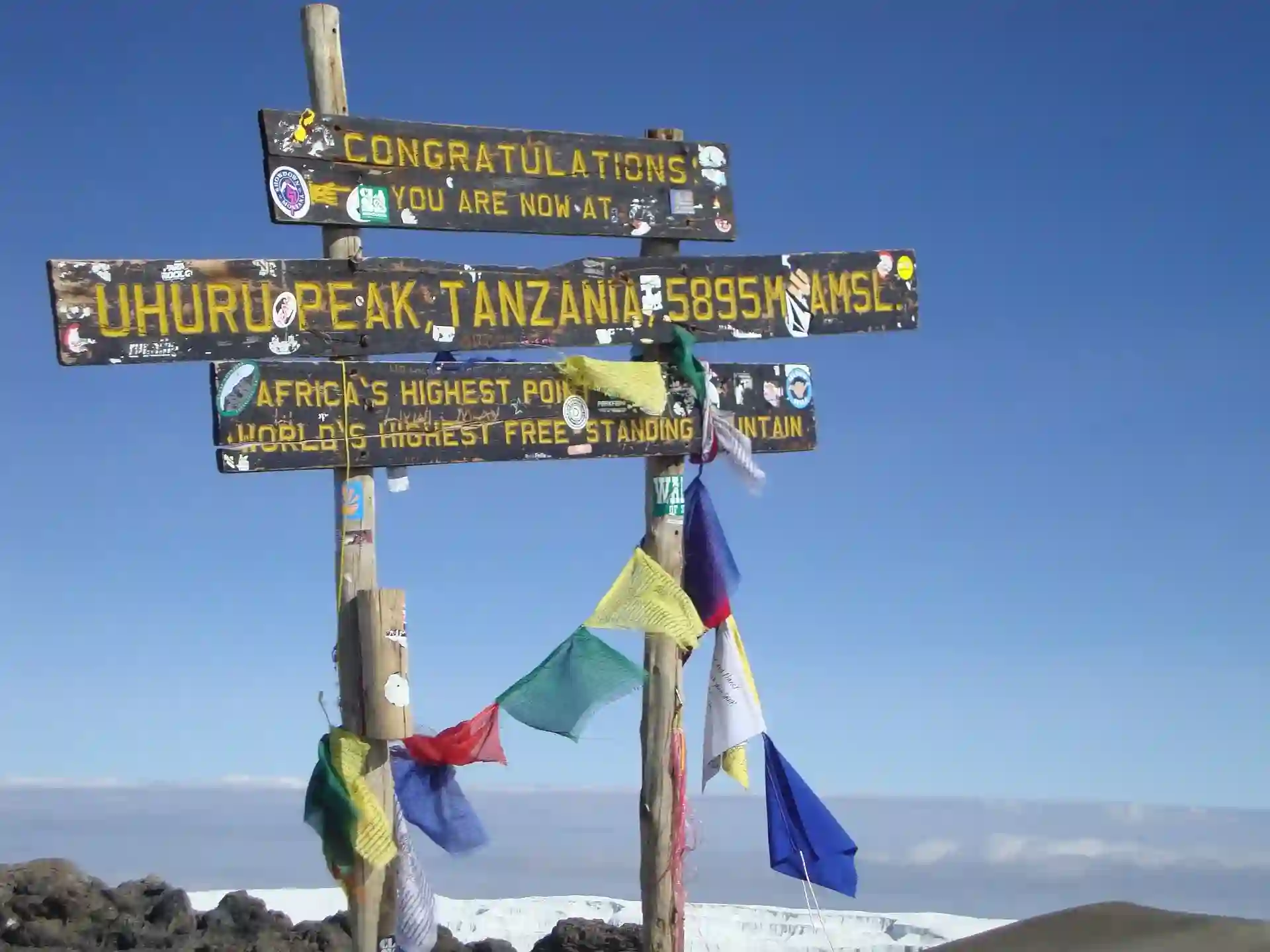


How Much Water Should You Drink While Climbing Kilimanjaro?
A practical guide to daily fluid needs, carrying capacity, electrolytes, summit-night freezing and the dangers of both dehydration and overhydration.
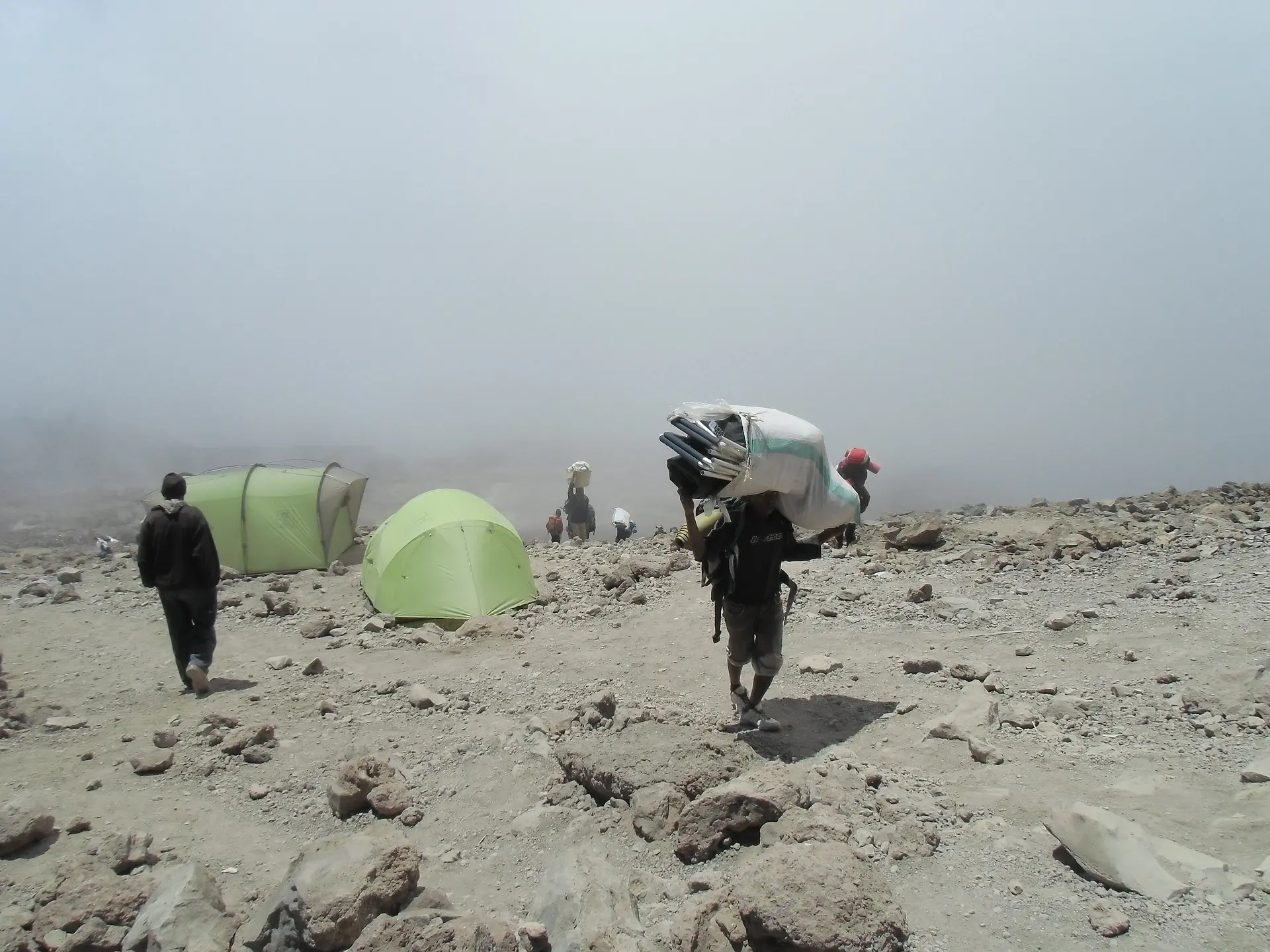
Kilimanjaro Hydration at a Glance
- Use about 3 to 4 litres of total daily fluid as a flexible planning range, not a rule.
- Carry approximately 2 to 3 litres between camps on most trekking days, following the briefing for your exact itinerary.
- Drinks, soup and fluid-rich foods at camp contribute to your daily total.
- Drink regularly and respond to thirst; do not force water to try to prevent altitude sickness.
- Hydration supports normal function, but it does not replace a gradual ascent or cure Acute Mountain Sickness.
- Electrolyte products can be useful on long, warm or very sweaty days, but are not required in every bottle.
- A hydration bladder is convenient on normal trekking days; a wide-mouth hard bottle is an essential backup, especially when freezing is possible.
- Headache, nausea, fatigue and confusion can occur with dehydration, altitude illness or low blood sodium. Report symptoms rather than diagnosing yourself.
Is Three to Four Litres the Right Amount for Everyone?
No. A single daily number cannot fit every climber or every day.
A smaller climber walking slowly in cool weather may need less than a larger climber who sweats heavily in warm conditions. A short movement between nearby camps is different from a long trekking day, and summit night creates different problems again. Hot drinks and soup also count, so the amount poured into your trekking bottles is not the same as your full-day intake.
Current wilderness-medicine guidance recognises this variation. The Wilderness Medical Society guideline on exercise-associated hyponatraemia explains that no single drinking strategy fits all people across different temperatures, body sizes, exercise intensities, durations and sweat rates.
This is why Tanzania Inside Safari uses 3 to 4 litres as a practical starting range, then expects climbers to adjust with guide advice, thirst, weather, exertion, meals and symptoms.
| Situation | Practical fluid plan | Important qualification |
|---|---|---|
| Normal trekking day | Around 3 to 4 litres of total fluid across the day | Includes drinks and soup at camp; do not force the total |
| Water carried while walking | Usually 2 to 3 litres of capacity | Exact amount depends on the stage and next reliable refill |
| Short or cool day | You may drink less | Continue drinking regularly and check how you feel |
| Warm, long or sweaty day | You may need more | Combine fluids with normal meals; electrolytes may help |
| Summit night | Follow the high-camp briefing, commonly with 2 to 3 litres available | Protect bottles from freezing; there is normally no refill until descent |
These are planning ranges for healthy adults, not medical prescriptions. Climbers with relevant health conditions need individual advice.
Daily Total Fluid Is Not the Same as Water in Your Daypack
This distinction prevents two common mistakes: carrying unnecessary weight and underestimating the drinks consumed at camp.
One litre of water weighs approximately one kilogram. Starting every day with four or five litres in your daypack can make walking less comfortable when the next camp is only several hours away. At the same time, carrying two litres does not mean your entire day's intake is limited to two litres.
A typical day can include:
- A drink with breakfast
- Approximately 2 to 3 litres available while trekking
- Soup, tea, coffee or another drink with lunch or on arrival
- Drinks with the evening meal
- A smaller amount during the evening according to thirst
Your guide will explain how far you are walking, whether water will be available before the next camp and how much you should set out with. Follow that stage-specific briefing rather than relying on one fixed number for the entire mountain.
Why Can Fluid Needs Increase at Altitude?
Kilimanjaro combines sustained walking with cold, wind, strong sun and very dry air. As altitude increases, you breathe faster and more deeply to compensate for lower oxygen pressure. More water is lost through respiration, often without the obvious sensation of sweating heavily.
Other factors can add to fluid loss:
- Long hours of walking
- Warm lower slopes and direct sun
- Dry alpine air and wind
- Sweating beneath waterproof or insulated layers
- Increased urination during early altitude exposure
- Acetazolamide-related diuresis
- Vomiting or diarrhoea
Cold weather can also reduce the desire to drink. This is one reason small, regular sips are often more comfortable than trying to consume a large volume after arriving at camp.
Does Drinking More Water Prevent Altitude Sickness?
No. Dehydration can cause headache, fatigue, dizziness and poor walking performance, so adequate hydration is important. However, drinking extra water has not been shown to prevent Acute Mountain Sickness.
The Wilderness Medical Society's 2024 altitude guidance specifically states that forced or excessive hydration has not been shown to prevent AMS. The CDC Yellow Book also lists dehydration and hyponatraemia among conditions that can resemble AMS.
The most important protections against altitude illness remain:
- Choosing an itinerary with enough days
- Increasing sleeping altitude responsibly
- Walking at a controlled "pole pole" pace
- Reporting symptoms honestly
- Not ascending with ongoing altitude-illness symptoms
- Descending when symptoms worsen or the guide decides it is unsafe to continue
Water supports the body during acclimatization. It is not a substitute for acclimatization.
A Practical Drinking Pattern During the Day
Most climbers find it easier to spread fluid intake across the day:
Before Walking
Drink with breakfast and begin the trek normally hydrated. There is no benefit in rapidly consuming a very large volume immediately before departure. Doing so can feel uncomfortable and lead to repeated toilet stops.
While Trekking
Take regular small drinks. A bladder makes sipping convenient, while a bottle helps you see how much remains. At rest stops, notice whether you are thirsty, whether the weather has become warmer and whether you have been sweating more than usual.
On Arrival at Camp
Continue drinking according to thirst rather than attempting to "catch up" all at once. Tea, soup and other provided drinks contribute to the total. If your appetite or thirst has fallen sharply, tell your guide because this may be relevant to altitude assessment.
In the Evening
Drink enough to remain comfortable, but avoid forcing litres immediately before sleep. Excessive evening intake can interrupt rest and does not improve acclimatization.
What Tanzania Inside Safari Provides
On our Kilimanjaro climbs, the mountain crew provides treated or boiled drinking water for refilling personal containers. Water is collected from approved mountain sources or carried where necessary, and availability becomes more limited at high camps.
Climbers should:
- Bring reusable bottles and/or a hydration bladder with suitable total capacity
- Refill only with water provided or approved by the crew
- Never drink directly from a stream or an untreated source
- Keep bottle caps, threads and bladder mouthpieces clean
- Follow the guide's instructions where the next reliable refill is distant
Hot drinks, soup and the moisture in meals also contribute to hydration. Our food plan is designed to provide energy and normal dietary salt as well as fluids.
What Water System Should You Carry?
A combined capacity of approximately 2 to 3 litres works well for most ordinary trekking stages. A practical system is:
- A two-litre hydration bladder for convenient drinking
- At least one wide-mouth, one-litre reusable bottle as a backup
The backup bottle matters. A bladder can leak, a valve can become dirty and the hose can freeze. A wide-mouth bottle is easier to fill and is more reliable in very cold conditions.
Test the full system during training. Check that the filled bladder fits your daypack, that nothing leaks, and that you can reach the bottle without unpacking all your clothing.
Hydration on Summit Night
Summit night is long, cold and physically demanding. You generally leave high camp around midnight, climb to the crater rim and Uhuru Peak, then descend before reaching another dependable refill. Your water therefore has to last through the ascent and the early descent.
At high camp:
- Drink normally through the afternoon and evening
- Eat the meals and snacks you can tolerate
- Prepare the amount of water specified by your guide, commonly 2 to 3 litres
- Place at least part of the supply in hard bottles
- Keep bottles accessible without exposing them to the outside air
Hydration-bladder tubes often freeze. Insulated sleeves can help, but they are not completely reliable. Blow water back into the reservoir after drinking so it does not remain in the tube. Keep hard bottles inside the pack, close to the back and protected by clothing. Storing a bottle upside down can reduce the chance that ice at the cap prevents drinking.
Use warm rather than boiling water unless the container manufacturer explicitly permits very high temperatures. Never rely on one reservoir or one unprotected hose for summit night.
Should You Use Electrolytes?
Electrolyte drinks can be useful, but they are not a requirement in every bottle and they do not prevent altitude sickness.
They may be helpful when:
- The day is long or unusually warm
- You are sweating heavily
- You have a low appetite and are eating less normal food
- Plain water has become difficult to drink
- A guide or medical professional recommends oral rehydration after gastrointestinal fluid loss
Normal meals supply sodium and other electrolytes. For many climbers, plain water plus regular food is sufficient on an ordinary day.
If you bring electrolyte tablets or powder, test the product during training. Follow its mixing instructions. Over-concentrated drinks can taste unpleasant or upset the stomach, while very weak mixtures may add little beyond flavour. Do not assume an electrolyte product makes unlimited water intake safe.
How Can You Tell Whether You Are Drinking Enough?
No single sign is perfect. Use a combination of thirst, urine pattern, walking performance and how you feel.
Urine that is pale straw to light yellow generally suggests reasonable hydration. Very dark urine or much less urination than usual can indicate that more fluid may be needed. However, first-morning urine is normally darker, while vitamins, foods and medication can change colour.
Urine that is completely clear all day, together with very frequent urination, can be a sign that you are drinking more than necessary. It is not an achievement to produce colourless urine continuously.
Tell your guide if you notice:
- Persistent strong thirst or dry mouth
- Very dark urine or a marked fall in urination
- Dizziness, unusual weakness or declining walking performance
- Repeated vomiting or diarrhoea
- Headache, nausea, confusion or loss of coordination
These signs require assessment because they can have more than one cause.
Signs of Dehydration
Mild dehydration can present as thirst, dry mouth, darker urine, headache, tiredness or light-headedness. More substantial fluid loss can reduce performance and may be accompanied by a rapid pulse, reduced urination, marked weakness or collapse.
The difficulty on Kilimanjaro is that several of these symptoms also occur with altitude illness, exhaustion, infection or low blood sugar. Do not decide that every headache is "just dehydration" and continue upward. Report new or worsening symptoms to your guide.
Vomiting and diarrhoea can produce rapid losses of both water and salts. Affected climbers need early assessment. Oral rehydration solution may be appropriate under guide or medical direction, but continuing the ascent depends on the climber's complete condition, not on whether they can drink one packet of fluid.
The Danger of Drinking Too Much
Overhydration can dilute the sodium concentration in the blood, causing exercise-associated hyponatraemia. The WMS guideline notes that this condition has been documented in hikers, trekkers and climbers, including in cold environments.
Symptoms can include:
- Headache
- Nausea or vomiting
- Weakness or unusual fatigue
- Swelling or puffiness
- Confusion or altered behaviour
- Seizures or reduced consciousness in severe cases
Several of these overlap with altitude illness. Giving large volumes of water to every person with a headache or nausea can therefore be dangerous. Report the symptoms and let the guide assess recent altitude gain, fluid intake, urine output, function, balance and other signs.
Confusion, loss of coordination, seizures, breathlessness at rest or reduced consciousness are emergencies. They require immediate guide action and may require urgent descent and evacuation.
What If You Take Diamox?
Acetazolamide, commonly known as Diamox, increases bicarbonate loss in the urine and can make you urinate more frequently. This effect does not mean you should automatically force several extra litres each day.
Continue normal, responsive hydration and tell your guide that you are taking the medication. Discuss acetazolamide with a doctor before travel, including any relevant medical history and other medicines. Do not begin an unfamiliar prescription on the mountain without medical guidance.
Caffeine, Alcohol and Sugary Drinks
Moderate tea or coffee can contribute to daily fluid intake. Regular caffeine users may prefer to continue a familiar amount because sudden withdrawal can cause a headache that complicates altitude assessment. The CDC includes this advice in its high-altitude checklist.
Avoid alcohol during the climb. It can disturb sleep, impair judgement and complicate hydration and altitude assessment.
Very sweet drinks may provide energy and encourage some climbers to drink, but they can also become unappealing or cause stomach discomfort. Use them as part of a varied fluid plan, not as the only source of fluid.
Who Needs Individual Medical Advice?
Ask a doctor familiar with travel or altitude medicine for personal advice if you have:
- Kidney, heart or significant lung disease
- Diabetes
- A condition requiring fluid restriction
- A history of low blood sodium or exercise-associated hyponatraemia
- Recurrent fainting or heat illness
- Persistent vomiting or diarrhoea before departure
- Regular diuretic or other relevant prescription medication
- Pregnancy or possible pregnancy
Individual instructions from your clinician take priority over general litre ranges in an article.
Common Hydration Mistakes on Kilimanjaro
- Treating 3 to 4 litres as a compulsory minimum for every body and every day
- Believing that large amounts of water prevent AMS
- Carrying all daily fluid from breakfast when water will be available at the next camp
- Relying only on a hydration-bladder hose during summit night
- Waiting until arriving at camp and then drinking a very large volume quickly
- Using electrolyte powder in every bottle regardless of food intake and conditions
- Drinking directly from streams or unapproved sources
- Hiding nausea, vomiting, diarrhoea or reduced urine output
- Assuming every headache is caused by dehydration
Your Kilimanjaro Water Checklist
Before leaving home:
- Bring reusable containers with 2 to 3 litres of total capacity
- Include at least one wide-mouth hard bottle
- Test your bladder, bottle seals and drinking valve
- Bring bottle insulation suitable for summit night
- Test any electrolyte product during training
- Discuss fluid-related medical conditions and medication with a clinician
Each morning:
- Ask how much water the day's stage requires
- Fill only from the crew's treated or boiled supply
- Start normally hydrated after breakfast
- Keep a bottle accessible and protect the bladder from punctures
During the walk:
- Take regular small drinks
- Adjust for thirst, heat, wind, effort and sweat
- Eat meals and snacks rather than relying only on flavoured water
- Report symptoms early
Our Hydration and Safety Approach
Tanzania Inside Safari treats hydration as one part of a complete high-altitude safety system. Our guides assess how climbers are eating, drinking, urinating, walking and adapting, rather than judging readiness from an empty bottle or one number alone.
Our approach includes:
- Treated or boiled drinking water on the mountain
- Daily guidance based on the exact route stage and refill plan
- Nutritious meals, soup and warm drinks
- A controlled "pole pole" walking pace
- Regular symptom and health assessments
- Pulse-oximeter readings interpreted alongside symptoms and function
- Emergency oxygen and first-aid equipment
- Early intervention, descent and evacuation when continuing is unsafe
Your guide should know about a persistent headache, nausea, vomiting, diarrhoea, dizziness, confusion, unusual weakness or breathing difficulty. Honest reporting creates more options and protects the entire team.
Frequently Asked Questions
Must I Drink Four Litres Every Day?
No. Three to four litres of total fluid is a useful planning range for many healthy adults, but it is not a compulsory target. Your actual requirement depends on the day's conditions, exertion, food, body size and health.
Does Tea Count Towards My Total?
Yes. Tea, coffee, soup and other drinks contribute to total fluid. Moderate familiar caffeine intake is generally reasonable, while alcohol should be avoided during the climb.
How Much Water Should I Carry?
Approximately 2 to 3 litres of carrying capacity is suitable for most trekking stages. Your guide will specify the amount required for each day and for summit night.
Is Stream Water Safe to Drink?
Do not drink untreated mountain water. Use only water that the crew has treated, boiled or specifically approved.
Are Electrolytes Essential?
No. They can be useful on long, warm or sweaty days and after some gastrointestinal losses, but normal meals provide electrolytes too. They do not prevent AMS.
Can I Use Only a Hydration Bladder?
We recommend a hard bottle as well. Bladders are convenient, but hoses can freeze or equipment can fail. A wide-mouth bottle is especially important on summit night.
What Should I Do If I Cannot Keep Water Down?
Tell your guide immediately. Repeated vomiting can cause dehydration and can also be a symptom of altitude illness or another medical problem. Do not continue upward without assessment.
The Honest Answer
How much should you drink on Kilimanjaro? Enough to remain normally hydrated, but not so much that you are forcing fluid beyond your body's needs.
For many climbers, planning around 3 to 4 litres of total fluid across a full day and carrying approximately 2 to 3 litres between camps is sensible. The exact amount should change with the itinerary, conditions, meals, thirst, health and your guide's instructions.
The safest hydration plan is not a competition measured in litres. It is a steady daily routine supported by treated water, normal food, reliable containers, honest symptom reporting and responsible altitude decisions.
Plan Your Kilimanjaro Climb with a Local Team
Tell us which route you are considering, when you plan to climb and whether you have previous high-altitude experience or relevant medical needs. Our Moshi-based team will explain the daily water plan, required containers and summit-night preparation for your itinerary.