


How Many Days Do You Need to Climb Kilimanjaro?
Compare 5, 6, 7, 8 and 9-day Kilimanjaro itineraries, routes, acclimatization profiles and summit expectations to choose the right climb.
The Short Answer
The number of days you spend on Kilimanjaro is the most important planning decision you can control. A longer trek does not make the mountain effortless, and it never guarantees the summit. It does, however, give your body more time to adapt, gives your guides more opportunities to observe you and reduces the pressure to keep ascending when you need rest.
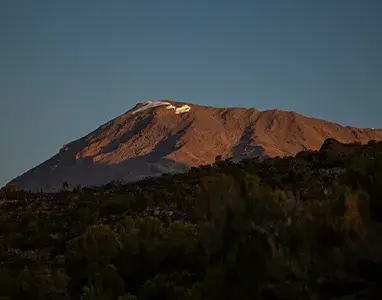
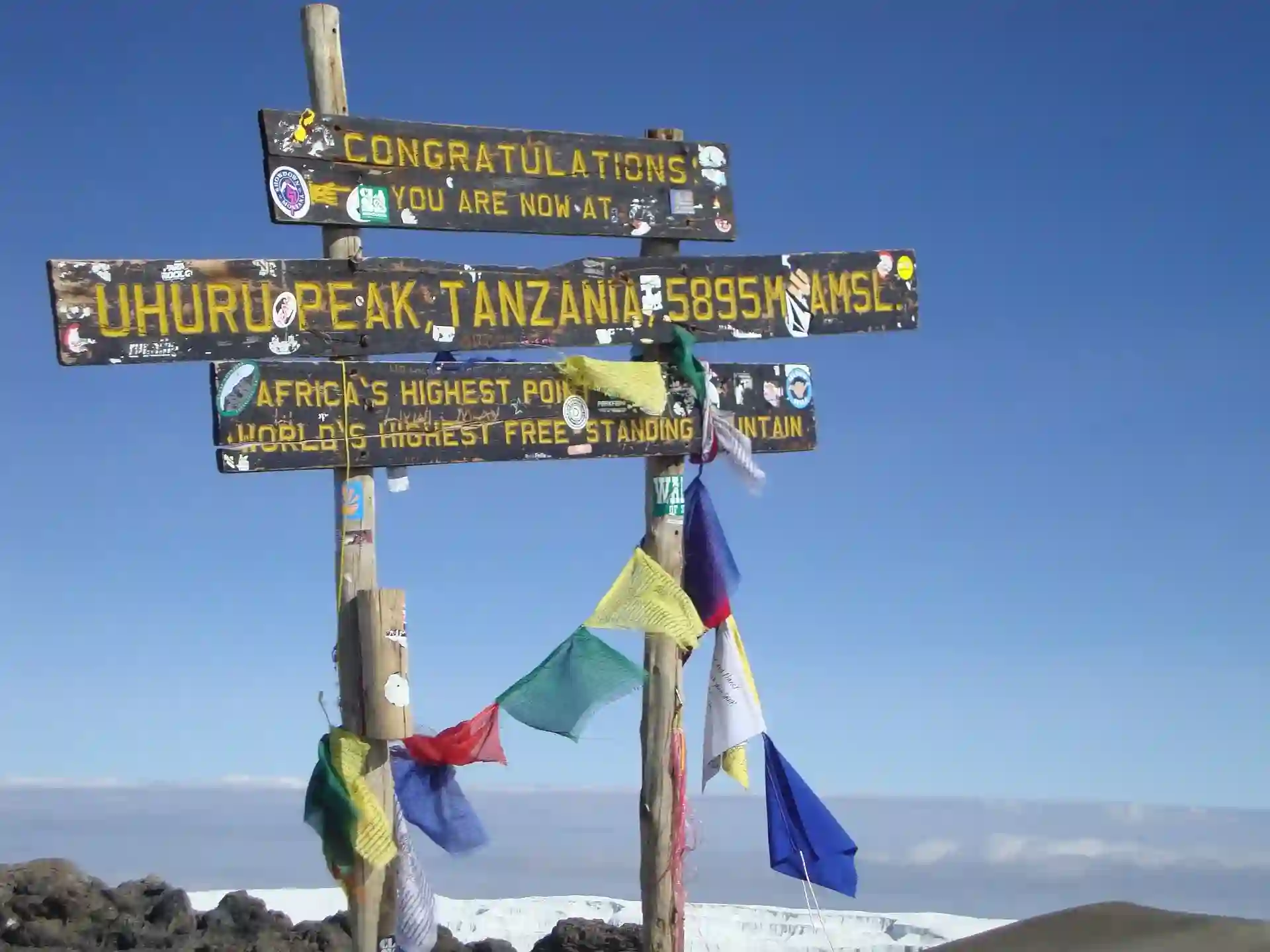
Kilimanjaro rises to 5,895 metres (19,341 feet). Most climbers travel from a relatively low elevation to extreme altitude in less than a week. That speed, rather than technical climbing, is the mountain’s defining challenge. Strong legs help with long trekking days, but fitness cannot make anyone immune to altitude illness.
For most first-time high-altitude trekkers, seven or eight mountain days are the practical sweet spot. Five days is a rushed schedule. Six days can work on a carefully chosen route, but still compresses acclimatization. Nine days offers the most generous standard profile, particularly on the Northern Circuit.
- Choose 7 days if you want a balanced itinerary.
- Choose 8 days if you want more acclimatization and recovery time.
- Choose 9 days if altitude adaptation is your highest priority.
- Consider 5 days only in exceptional circumstances.
- Choose 6 days only after carefully assessing the route, your experience and the acclimatization profile.
Understanding Trail Days and Total Expedition Days
A common source of confusion is the difference between days on the mountain and the total trip length.
When Tanzania Inside Safari describes a seven-day Machame climb, those are seven trekking days inside Kilimanjaro National Park. We frame those mountain days within a calmer expedition that also includes:
- Arrival Day: Airport transfer, hotel check-in and recovery from international travel.
- Briefing and Gear-Check Day: Meet the mountain team, review the route, inspect equipment and rent anything missing.
- Decompression Day: A dedicated hotel day after the descent for rest, showering, celebration and recovery.
- Departure Day: An onward or airport transfer without forcing a same-day rush after the mountain.
Using this structure:
| Days on Kilimanjaro | Total Expedition Length |
|---|---|
| 5 mountain days | 9 total days |
| 6 mountain days | 10 total days |
| 7 mountain days | 11 total days |
| 8 mountain days | 12 total days |
| 9 mountain days | 13 total days |
Some operators count arrival, briefing and departure differently. Always compare the complete day-by-day programme rather than relying only on the number in a package name.
Why More Time Improves Acclimatization
The air at altitude still contains approximately 20.9% oxygen, but lower atmospheric pressure means fewer oxygen molecules reach the lungs with each breath.
Your body responds by breathing faster and more deeply, increasing your heart rate and gradually adjusting its chemistry so sustained ventilation becomes easier. These early adaptations need time.
General CDC high-altitude guidance and Wilderness Medical Society recommendations advise that, once above 3,000 metres:
- Sleeping altitude should ideally increase by no more than approximately 500 metres per night.
- An additional acclimatization day should be included for every 1,000 metres of sleeping-altitude gain.
- Climbers should not continue to a higher sleeping altitude while experiencing altitude-illness symptoms.
Kilimanjaro’s established camps do not allow every itinerary to follow these guidelines perfectly. Additional mountain days therefore matter because they moderate the overall sleeping-altitude progression and make useful “climb high, sleep lower” movements possible.
Research on rapid Kilimanjaro ascents has reported high rates of Acute Mountain Sickness. These studies are route- and schedule-specific, so they do not predict every climb. Their message is still consistent: compressing the ascent increases altitude stress.
No responsible operator should promise that a longer itinerary guarantees the summit. However, a responsible operator should explain why time is one of the strongest controllable advantages.
5 Days on Kilimanjaro
Primary route: Marangu Route
Acclimatization profile: Poor
Indicative summit expectation: Low; often quoted at approximately 25-50%
A five-day climb asks the body to adapt on the mountain’s timetable rather than its own. The usual schedule moves from Marangu Gate to Mandara, Horombo and Kibo before the summit attempt, leaving very little space for a genuine acclimatization day.
Tanzania Inside Safari does not consider five days the responsible default for an unacclimatized first-time climber.
Who Is a 5-Day Climb Best For?
A five-day climb may suit an experienced, recently acclimatized trekker who understands the risk and has a compelling time constraint.
First-time high-altitude trekkers, climbers without recent altitude exposure and anyone prioritizing a safer summit attempt over the lowest possible price should avoid this schedule.
Advantages of a 5-Day Climb
- Lowest park-fee and staffing cost
- Shortest absence from work or other travel plans
- Hut accommodation when using the Marangu Route
Disadvantages of a 5-Day Climb
- Large sleeping-altitude gains
- Very limited acclimatization and recovery time
- Little flexibility for fatigue, poor weather or minor illness
- The lowest margin for responding to altitude symptoms
6 Days on Kilimanjaro
Primary routes: Six-day Marangu, compressed Machame and Umbwe for experienced or pre-acclimatized climbers
Acclimatization profile: Fair to moderate
Indicative summit expectation: Moderate; often quoted at approximately 50-70%
Six days is a meaningful improvement over five, but route design determines whether the additional day is used well.
On Marangu, the extra night at Horombo can support acclimatization. On Machame, the six-day version remains compressed. Umbwe is steep and direct. It belongs with carefully screened, experienced or properly pre-acclimatized climbers rather than beginners looking for a shortcut.
Who Is a 6-Day Climb Best For?
A six-day climb may suit fit trekkers with some altitude experience or climbers choosing six-day Marangu with an acclimatization day at Horombo.
Altitude-naive trekkers, people who recover slowly and beginners considering Umbwe only because it is quiet and direct should choose a longer or more gradual option.
Advantages of a 6-Day Climb
- The additional day materially improves the five-day Marangu profile
- Lower cost than longer expeditions
- Can suit pre-acclimatized or highly experienced teams
Disadvantages of a 6-Day Climb
- Six-day Machame remains more compressed than the seven-day version
- Umbwe gains altitude aggressively
- Limited contingency time if symptoms develop
7 Days on Kilimanjaro
Primary routes: Machame, Rongai and a compressed Lemosho itinerary
Acclimatization profile: Good
Indicative summit expectation: Good; often quoted at approximately 70-85%
Seven days is the minimum we confidently recommend to many first-time high-altitude trekkers.
The classic example is the Seven-Day Machame Route. It gives the body more time before summit night and incorporates a valuable climb-high, sleep-lower day when climbers approach Lava Tower and descend to Barranco Camp.
The Seven-Day Rongai Route can also work well when designed with sufficient time around Mawenzi.
Who Is a 7-Day Climb Best For?
Seven days is suitable for most healthy first-time climbers who train consistently and want a sensible balance of time, cost and acclimatization.
Climbers who have previously struggled badly at altitude, recover slowly or can comfortably add another day should consider an eight-day itinerary.
Advantages of a 7-Day Climb
- Strong balance between acclimatization and total trip length
- Useful climb-high, sleep-lower opportunities
- More affordable than eight- or nine-day climbs
- Suitable for many trained first-time high-altitude trekkers
Disadvantages of a 7-Day Climb
- Early sleeping-altitude gains still require disciplined pacing
- Less recovery margin than eight or nine days
- Seven-day Lemosho is more compressed than the preferred eight-day version
8 Days on Kilimanjaro
Primary routes: Lemosho and an eight-day Northern Circuit variation
Acclimatization profile: Very good
Indicative summit expectation: Very good; often quoted at approximately 80-90% or higher
For most climbers, the Eight-Day Lemosho Route is the strongest all-round choice.
It combines an unhurried western approach, varied landscapes and useful altitude exposure before summit night. The additional day is not a luxury. It creates space to eat, sleep, recover and communicate honestly with guides without feeling that the itinerary is racing ahead.
Who Is an 8-Day Climb Best For?
Eight days is ideal for first-time climbers, trekkers over 50, private groups and anyone who values acclimatization more than finishing quickly.
Climbers should think carefully before removing the eighth day only to achieve a small saving. One additional mountain day can add disproportionate value to the experience.
Advantages of an 8-Day Climb
- Excellent balance of gradual ascent, scenery and recovery
- More opportunities for guides to assess health trends and performance
- Extra time to eat, sleep and adapt before summit night
- Our preferred all-round duration for many climbers
Disadvantages of an 8-Day Climb
- Higher park fees and crew costs than shorter climbs
- Requires a 12-day total expedition in our standard package structure
- Cannot eliminate individual susceptibility to altitude illness
9 Days on Kilimanjaro
Primary route: Northern Circuit, with an extended Lemosho climb possible as a custom itinerary
Acclimatization profile: Excellent
Indicative summit expectation: Excellent; often quoted at approximately 85-95% or higher
Nine days is the strongest standard choice for climbers who want to maximize acclimatization time rather than minimize the calendar.
The Northern Circuit Route crosses the quieter northern side of Kilimanjaro and distributes altitude exposure across more days. It is particularly attractive for private groups, older trekkers and anyone whose previous response to altitude is uncertain.
Who Is a 9-Day Climb Best For?
Nine days is ideal for climbers prioritizing acclimatization, quieter trails, private pacing or additional recovery margin.
If budget or holiday allowance is genuinely fixed, a well-designed seven- or eight-day itinerary may be more realistic.
Advantages of a 9-Day Climb
- The most generous standard acclimatization profile
- Quieter northern slopes
- More time for steady pacing, observation and recovery
- Greater flexibility for different walking speeds within a private group
Disadvantages of a 9-Day Climb
- Highest total cost among standard Kilimanjaro schedules
- A 13-day total expedition requires more leave and planning
- Additional time cannot override serious symptoms or a guide’s decision to descend
Kilimanjaro Itinerary Length Comparison
| Days on Mountain | Total Expedition | Common Routes | Acclimatization Quality | Indicative Summit Expectation* | Ideal Climber Profile |
|---|---|---|---|---|---|
| 5 days | 9 days | Marangu | Poor | Low: 25-50% | Experienced and recently acclimatized climbers with an exceptional time constraint |
| 6 days | 10 days | Marangu, Machame, Umbwe | Fair to moderate | Moderate: 50-70% | Climbers with some altitude experience using a carefully selected route |
| 7 days | 11 days | Machame, Rongai, Lemosho | Good | Good: 70-85% | Most trained first-time high-altitude climbers |
| 8 days | 12 days | Lemosho, Northern Circuit | Very good | Very good: 80-90%+ | First-time climbers prioritizing acclimatization and recovery |
| 9 days | 13 days | Northern Circuit, extended Lemosho | Excellent | Excellent: 85-95%+ | Climbers seeking the most generous standard itinerary |
There is no audited, park-wide database that makes operator summit-success percentages directly comparable. These broad ranges summarize commonly published operator expectations and should be used as planning guidance rather than a promise. Route design, weather, health, guide decisions, honest symptom reporting and the definition of “success” all influence reported figures.
How to Choose the Right Kilimanjaro Duration
Start With Altitude Experience, Not Gym Performance
Training improves endurance and recovery, but it does not predict who will develop Acute Mountain Sickness.
If you have never slept above 3,000 metres, give your body more time. If you have previously experienced severe altitude symptoms, consult a qualified travel-medicine professional and favour a longer schedule.
Use Fitness to Improve Comfort, Not to Justify Speed
A strong climber can still become ill at altitude. Good fitness helps you walk efficiently and arrive at camp with enough energy to eat, hydrate and sleep.
Fitness should never be used to justify an unnecessarily rushed ascent.
Compare Value, Not Only Price
Longer climbs cost more because park fees, food, crew wages and logistics continue each day. However, the cheapest itinerary is not good value if it leaves insufficient time to acclimatize.
If your budget is fixed, consider reducing optional upgrades or adjusting your travel dates before removing a day that improves the altitude profile.
Choose the Route and Duration Together
A seven-day label does not make every route equivalent. Seven-day Machame, seven-day Rongai and seven-day Lemosho have different camp sequences and sleeping-altitude gains.
Ask to see the complete itinerary and understand where the additional day is placed.
Build Recovery Into the Full Trip
International travel, lost luggage, poor sleep and pre-climb stress all matter.
A dedicated arrival day and gear-check day protect the beginning of your expedition. A decompression day after the mountain prevents a tiring descent from becoming a rushed airport transfer.
Our Practical Recommendation
Seven days is a sensible minimum for many first-time climbers.
Eight days, especially on Lemosho, is our preferred all-round balance between acclimatization, scenery, recovery time and total trip length.
Nine days on the Northern Circuit is the strongest standard option when acclimatization time and quieter trails are the highest priorities.
Plan the Right Kilimanjaro Climb With Tanzania Inside Safari
Tanzania Inside Safari is a Tanzanian-owned and operated company based beneath Kilimanjaro. Our recommendations begin with your health, experience, available days and personal goals rather than forcing every climber into the same package.
We plan the complete expedition around the mountain, including:
- Airport transfers
- A separate briefing and gear-check day
- An appropriate route and itinerary length
- Professional local mountain guides and support crews
- Regular health assessments
- Emergency oxygen and mountain first-aid equipment
- A dedicated post-climb decompression day
- Departure or onward-travel arrangements
Tell us when you hope to travel, whether you are climbing privately or with a group, and what high-altitude experience you already have. We will help you compare the route, number of mountain days and total expedition length honestly.
FREQUENTLY ASKED QUESTIONS FOR THE WEBPAGE
How many days do most people need to climb Kilimanjaro?
Seven to eight mountain days provide the best balance for most first-time climbers. Seven days is a sensible minimum for many trekkers, while eight days generally provides a stronger acclimatization and recovery profile.
Is five days enough to climb Kilimanjaro?
A five-day Marangu itinerary is possible, but it provides a rushed acclimatization schedule and the lowest margin for fatigue, weather or altitude symptoms. It is not the responsible default for an unacclimatized first-time climber.
Which Kilimanjaro itinerary offers the best acclimatization?
A nine-day Northern Circuit itinerary offers one of the most generous standard acclimatization profiles. Eight-day Lemosho is the preferred all-round option for many climbers.
What is the difference between mountain days and total expedition days?
Mountain days are the days spent trekking inside Kilimanjaro National Park. Tanzania Inside Safari adds an arrival day, a separate briefing and gear-check day, a post-climb decompression day and a departure day. Therefore, an eight-day trek becomes a 12-day total expedition.