


How Difficult Is Kilimanjaro? An Honest Day-by-Day Assessment
A practical comparison of altitude, terrain, trekking hours, summit day and the real demands of every main route.

The Honest Answer at a Glance
- Kilimanjaro is a non-technical but strenuous high-altitude trek.
- Most normal days involve approximately three to seven hours of walking; some are longer.
- Summit day commonly involves 12-17 hours of ascent and descent combined.
- Altitude, not technical terrain, is the main reason capable walkers struggle or turn around.
- Fitness improves endurance and recovery but does not make anyone immune to altitude illness.
- Longer itineraries generally make the altitude challenge more manageable.
- The Barranco Wall is a hands-on scramble in places, but it is not normally technical climbing.
- Mud, rain, wind, cold, loose scree and poor sleep can each increase the difficulty.
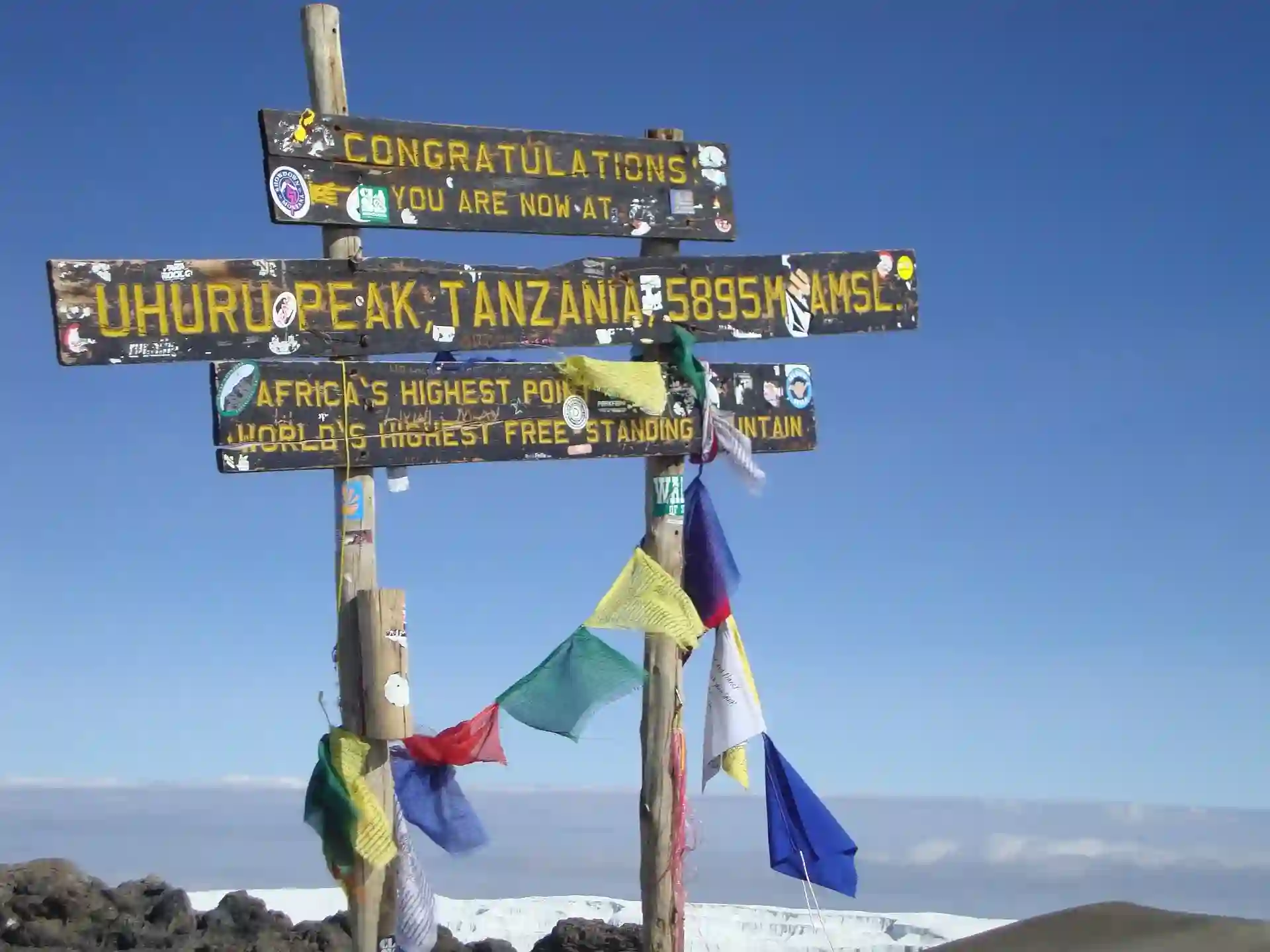
- Reaching Uhuru Peak is not the end of summit day; a long descent to a lower camp still follows.
- No responsible operator can guarantee that every climber will summit.
How We Rate Each Day
The ratings in this guide are relative to an ordinary Kilimanjaro trek, not to a casual walk at home. They assume a prepared, healthy trekker carrying a daypack while the mountain crew carries the main duffel.
These are planning estimates, not guarantees. The same trail can feel moderate to one person and extremely difficult to another. Weather, fitness, pack weight, sleep, health, altitude response and walking pace can change the experience significantly.
What Actually Makes Kilimanjaro Difficult?
1. The Altitude
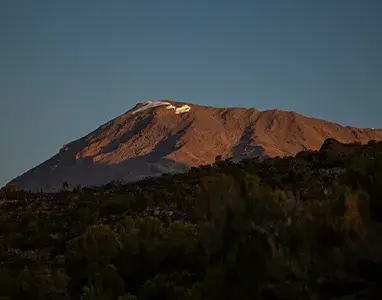
Uhuru Peak is almost 6,000 metres above sea level. Atmospheric pressure is much lower than at sea level, so every breath delivers fewer oxygen molecules. The CDC notes that physical fitness does not determine susceptibility to altitude illness; the altitude reached and the rate of ascent are much more important. Read the CDC Yellow Book guidance.
This explains why a marathon runner may struggle while a slower recreational walker acclimatises well. Fitness helps you cope with the work, but it cannot force your body to adapt faster.
2. Consecutive Trekking Days
One normal trekking day is rarely the problem. Difficulty accumulates when walking is repeated for six, seven or eight days with imperfect sleep and limited recovery. Legs become tired, small blisters matter more, and appetite can decrease just when the body needs energy.
3. Summit Night
Most groups leave high camp around 11:00 PM or midnight. Climbers ascend for approximately six to eight hours in darkness and cold, usually reaching the crater rim around dawn. From Stella Point or Gilman's Point, the route continues to Uhuru Peak. The descent then continues for many more hours to a much lower camp.
From Barafu Camp at about 4,670 metres, the summit gain is approximately 1,225 vertical metres. From Kibo Camp it is about 1,175 metres, while School Hut is roughly 1,145 metres below Uhuru Peak. The eastern approaches also require a longer crater-rim traverse after Gilman's Point.
4. Weather and Trail Conditions
Rainforest mud makes the lower mountain slippery. Higher up, strong sun, wind, dust, frost, snow or ice may occur. Temperatures can fall well below freezing near the summit, and wind chill increases heat loss. A dry trail in September and the same trail during heavy rain can feel like different mountains.
5. Sleep, Appetite and Basic Comfort
Most routes use tents, while Marangu uses shared huts. Neither provides hotel-style rest. Cold, wind, unfamiliar sounds, periodic breathing and early starts can interrupt sleep. Above about 2,700 metres, disturbed sleep is very common. Reduced appetite, nausea or dehydration can make the following day feel considerably harder.
6. The Descent
Descending is faster than climbing but can be punishing on knees, quadriceps and toes. Loose scree above high camp and long forest descents require concentration. Trekking poles and prior downhill training are often more useful than climbers expect.
Which Route Is Easiest or Hardest?
There is no universally easiest route. The route name, number of days and exact camp sequence must be considered together.
| Route | Honest difficulty assessment | Main reason |
|---|---|---|
| 8-day Lemosho | Best-balanced option for many first-time altitude trekkers | Longer western approach, varied terrain and useful high-low movements |
| Northern Circuit | Favourable altitude profile but more cumulative walking | Extra days improve adaptation, while the expedition itself is longer |
| 7-day Machame | Challenging but well balanced | Strong acclimatisation day, Barranco Wall and a demanding summit from Barafu |
| 7-day Rongai | Moderate early days, very hard eastern summit | Quieter approach, then Kibo-Gilman's-Uhuru and a long descent |
| 6-day Marangu | Often underestimated | Huts feel convenient, but the ascent is relatively compressed and summit night is long |
| 6-day Umbwe | Most aggressive standard option discussed here | Steep opening and rapid sleeping-altitude gain before joining the southern circuit |
We generally favour longer itineraries for first-time high-altitude climbers. Spending more days on the mountain does not remove the summit challenge, but it gives the body more time to adjust and the guide more time to observe each climber.
Eight-Day Lemosho: Day-by-Day Difficulty
Tanzania Inside Safari's published Lemosho itinerary uses Forest Camp, Shira 1, Moir, Barranco, Karanga, Barafu and Mweka. Other legitimate Lemosho schedules may use Shira 2 or a different camp sequence, so the confirmed itinerary remains decisive. View our Lemosho itinerary.
| Da y | Stage | Typical time | Rati ng | Honest assessment |
|---|---|---|---|---|
| 1 | Trailhead to Forest Camp | 3-4 hours | 2 | Humid forest and possible mud; excitement makes the ascent feel manageable, but an extra walk may be required if vehicles cannot reach the trailhead |
| 2 | Forest Camp to Shira 1 | 6-9 hours | 3 | One of the longer normal days, leaving the forest and crossing rolling ridges to about 3,505 m |
| 3 | Shira 1 to Moir Camp | 5-6 hours | 3 | Terrain is generally steady, but sleeping above 4,100 m makes altitude more noticeable |
| 4 | Moir to Barranco via the Lava Tower area | 4-6 hours | 3 | The high point is demanding; descending to sleep around 3,976 m supports acclimatisation but adds time and fatigue |
| 5 | Barranco Wall to Karanga | 3-5 hours | 3 | Shorter on paper, yet the Wall requires hands-on scrambling and concentration before an undulating traverse |
| 6 | Karanga to Barafu | 3-5 hours | 3 | Not long, but the climb to exposed high camp feels slow; appetite, headache and tiredness may be more important than distance |
| 7 | Barafu to Uhuru Peak to Mweka | 12-17 hours | 5 | Freezing pre-dawn ascent, very high altitude, loose ground and a long descent after the summit |
| 8 | Mweka Camp to Mweka Gate | 3-5 hours | 2 | Oxygen-rich air helps, but tired legs, mud and a sustained downhill trail still require care |
Lemosho verdict: The first days are not easy, but the longer progression distributes effort well. It is one of our preferred choices for a prepared beginner who can commit enough time.
Seven-Day Machame: Day-by-Day Difficulty
The seven-day Machame itinerary includes a Karanga overnight. A compressed six-day version normally passes through Karanga without sleeping there, making the overall schedule less forgiving. View our Machame itinerary.
| Da y | Stage | Typical time | Rati ng | Honest assessment |
|---|---|---|---|---|
| 1 | Machame Gate to Machame Camp | 5-7 hours | 3 | A sustained forest ascent; heat, humidity and mud can make the first day harder than expected |
| 2 | Machame Camp to Shira Plateau | 4-6 hours | 3 | Steeper, rockier ground and a substantial increase in sleeping altitude to about 3,810 m |
| 3 | Shira to Barranco via Lava Tower | 6-8 hours | 4 | Long acclimatisation day reaching roughly 4,600 m before descending; many climbers first feel significant altitude here |
| 4 | Barranco Wall to Karanga | 4-5 hours | 3 | The Wall looks intimidating but is usually a guided scramble; repeated ridges and valleys continue afterward |
| 5 | Karanga to Barafu | 3-4 hours | 3 | Short distance, thin air and limited recovery time before the midnight start |
| 6 | Barafu to Uhuru Peak to Mweka | Commonly 12-16 hours | 5 | The defining challenge: darkness, cold, altitude, steep scree and a major descent after the summit |
| 7 | Mweka Camp to Mweka Gate | 3-5 hours | 2 | Long downhill steps can be tiring for knees, especially if the forest is wet |
Machame verdict: A scenic, physically varied route with a useful high-low day. The seven-day version is a much more responsible choice than compressing the same challenge into six days.
Northern Circuit: Day-by-Day Difficulty
Tanzania Inside Safari's published core sequence uses Forest Camp, Shira 1, Moir, Pofu/Buffalo, Third Cave, School Hut and a southern descent. Northern Circuit itineraries vary between operators, and some add another mountain night. View our Northern Circuit itinerary.
| Da y | Stage | Typical time | Rati ng | Honest assessment |
|---|---|---|---|---|
| 1 | Western trailhead to Forest Camp | 4-5 hours | 2 | Moderate forest climb with mud possible |
| 2 | Forest Camp to Shira 1 | 6-9 hours | 3 | Long ascent onto the plateau; pacing matters from the beginning |
| 3 | Shira 1 to Moir Camp | 5-6 hours | 3 | Steady walking to a high camp where sleep and appetite may change |
| 4 | Moir to Pofu/Buffalo Camp | 5-7 hours | 3 | A notable ridge climb followed by remote northern traversing |
| 5 | Pofu/Buffalo to Third Cave | 5-7 hours | 3 | Rolling, exposed terrain; the lower sleeping altitude is helpful but cumulative fatigue is real |
| 6 | Third Cave to School Hut | 4-5 hours | 4 | Large rise to approximately 4,750 m, followed by only a short rest before the summit start |
| 7 | School Hut to Uhuru Peak to Mweka | 13-17 hours | 5 | Long eastern summit approach via Gilman's Point, crater-rim traverse and extensive southern descent |
| 8 | Mweka to Mweka Gate | 3-5 hours | 2 | Final forest descent on tired legs |
Northern Circuit verdict: Extra acclimatisation time usually improves the altitude experience, but the expedition is still long. The hardest individual day remains summit day, and the approach to School Hut should not be treated as a rest day.
Seven-Day Rongai: Day-by-Day Difficulty
Rongai begins on the quieter northern side, crosses the saddle to Kibo and descends using the Marangu trail. The early stages are generally less crowded and often drier than the southern side. View our Rongai itinerary.
| Da y | Stage | Typical time | Rati ng | Honest assessment |
|---|---|---|---|---|
| 1 | Nalemuru Gate to Simba Camp | About 3 hours | 1 | A relatively gentle opening day through forest to 2,671 m |
| 2 | Simba to Second Cave plus acclimatisation walk | 4-5 hours total | 2 | Moderate ascent with an optional or planned higher walk after camp |
| 3 | Second Cave to Kikilewa | About 3 hours | 2 | Shorter trekking day, useful for conserving energy |
| 4 | Kikilewa to Mawenzi Tarn plus acclimatisation walk | 5-6 hours total | 3 | Significant sleeping-altitude gain to 4,315 m; beautiful but cold and exposed |
| 5 | Mawenzi Tarn to Kibo Camp | About 5 hours | 3 | Gradual saddle crossing on dry, open terrain; altitude and the coming midnight departure dominate |
| 6 | Kibo to Uhuru Peak to Horombo | About 12-16 hours | 5 | Loose ground to Gilman's Point, a long rim traverse to Uhuru and a major descent to Horombo |
| 7 | Horombo to Marangu Gate | About 6 hours | 3 | Long descent through moorland and forest; easier breathing but substantial knee and leg fatigue |
Rongai verdict: The early days can feel gentler than Machame, but the eastern summit route is not gentle. The section from Kibo to Gilman's Point and onward to Uhuru makes summit day especially demanding.
Six-Day Marangu: Day-by-Day Difficulty
Marangu is sometimes marketed as easy because it uses huts and follows an established path. That is misleading. The six-day version includes an additional night at Horombo, but the route still gains sleeping altitude quickly and uses the long eastern summit approach. View our Marangu itinerary.
| Da y | Stage | Typical time | Rati ng | Honest assessment |
|---|---|---|---|---|
| 1 | Marangu Gate to Mandara Hut | 5-7 hours | 2 | Established forest trail, often humid or muddy, with a steady climb |
| 2 | Mandara to Horombo Hut | 5-7 hours | 3 | Long ascent into open moorland and a major increase to about 3,720 m |
| 3 | Horombo acclimatisation day | 1-3 hours of optional or planned walking | 2 | Physically lighter, but altitude symptoms may appear; the key benefit is sleeping at Horombo again |
| 4 | Horombo to Kibo Hut | 5-7 hours | 4 | Exposed saddle, dry air and a final rise to roughly 4,700 m before limited sleep |
| 5 | Kibo to Uhuru Peak to Horombo | Commonly 12-16 hours | 5 | Steep loose scree to Gilman's Point, crater-rim traverse and a long descent to Horombo |
| 6 | Horombo to Marangu Gate | 5-7 hours | 3 | Sustained downhill travel; familiar terrain does not prevent tired knees or slippery forest conditions |
Marangu verdict: The huts remove the need to sleep in a tent, not the altitude or endurance challenge. We prefer the six-day version to the five-day itinerary, but climbers should not select it simply because it has been labelled the "easy route."
Six-Day Umbwe: Day-by-Day Difficulty
Umbwe is steep and direct. It reaches Barranco rapidly before joining the southern circuit. Strong fitness alone does not correct its aggressive acclimatisation profile. View our Umbwe itinerary.
| Da y | Stage | Typical time | Rati ng | Honest assessment |
|---|---|---|---|---|
| 1 | Umbwe Gate to Umbwe Cave Camp | 5-7 hours | 4 | Steep forest ridge from the opening day, often humid and slippery |
| 2 | Umbwe Cave to Barranco | 4-5 hours | 4 | Rapid rise of more than 1,000 sleeping metres to almost 4,000 m |
| 3 | Barranco Wall to Karanga | 4-5 hours | 3 | Hands-on scrambling followed by an undulating traverse |
| 4 | Karanga to Barafu | 4-5 hours | 4 | High-altitude climb to an exposed summit camp with little time left to recover |
| 5 | Barafu to Uhuru Peak to Mweka | About 11-14 hours | 5 | Extreme altitude, cold and long descent after an already aggressive approach |
| 6 | Mweka to Mweka Gate | 3-4 hours | 2 | Physically easier breathing, but accumulated fatigue and downhill strain remain |
Umbwe verdict: This is the hardest standard itinerary in this comparison. We generally reserve it for experienced or properly pre-acclimatised climbers and carefully planned specialist objectives.
Is the Barranco Wall Dangerous or Technical?
The Barranco Wall is steep and visually dramatic, but the normal route does not usually require technical climbing equipment. Guides lead climbers through a series of steps, ledges and short scrambling moves. Hands are used for balance in several places.
The main difficulties are exposure, congestion, awkward steps and anxiety for people uncomfortable with heights. Moving slowly, keeping space between climbers and following the guide's exact line are more important than upper-body strength. In rain, frost or heavy traffic, the Wall becomes more demanding.
Why Summit Day Feels So Much Harder
Summit day combines almost every difficulty at once:
- The climb starts after only a few hours of rest.
- Temperatures are usually coldest before sunrise.
- The route is walked by headtorch in darkness.
- Breathing and movement become slower above 5,000 metres.
- Loose scree can make each step inefficient.
- Appetite may be poor when energy demand is highest.
- The emotional pressure to summit can tempt climbers to hide symptoms.
- The descent continues for hours after the summit photograph.
Success on this day is rarely about speed. Guides deliberately set a slow rhythm to conserve energy and observe the group. A climber who cannot continue safely must turn around, even if the summit appears close.
How Fit Should You Be?
You do not need elite athletic performance, but you should arrive with a durable aerobic base and legs prepared for consecutive uphill and downhill days. A useful preparation goal is being comfortable with:
- Five to seven hours of walking over hilly or uneven ground
- Repeating long walks on consecutive days
- Carrying a daypack containing water, rainwear and essential layers
- Sustained climbing on hills, stairs or an inclined treadmill
- Long descents without severe knee pain
- Moving slowly without becoming impatient or racing the guide
A single fast run is a poor test of Kilimanjaro readiness. Hiking-specific endurance, leg strength, balance, foot care and recovery matter more.
A Practical Training Approach
Begin consistent preparation several months before departure when possible. The programme should build gradually and suit your current health and experience.
- Complete regular aerobic sessions such as brisk walking, hiking, cycling or running.
- Add progressively longer weekend hikes on uneven ground.
- Practise with the boots, socks and daypack you will use on the mountain.
- Include step-ups, squats, lunges, calf raises and core work for climbing and descending.
- Schedule occasional consecutive hiking days.
- Reduce training in the final week so you arrive rested rather than injured.
- Seek professional medical or fitness advice if you have an existing condition, recent injury or uncertainty about exercise.
Training cannot prevent altitude illness. Its purpose is to reduce avoidable physical fatigue so that the guide can distinguish exhaustion, dehydration, injury and altitude-related symptoms more clearly.
Who Should Seek Medical Advice Before Climbing?
Every climber can benefit from a pre-travel consultation. It is particularly important for people with heart or lung disease, severe anaemia, neurological conditions, poorly controlled blood pressure, diabetes, sleep apnoea, previous severe altitude illness, recent surgery, pregnancy or regular prescription medication.
The consultation should address high-altitude exposure, medication, vaccination, personal medical history and the physical demands of a multi-day trek. Travel insurance should explicitly cover guided trekking to at least 6,000 metres, altitude-related illness, treatment and evacuation.
Warning Signs Are Not a Test of Toughness
Headache, nausea, dizziness, unusual fatigue or reduced appetite can indicate Acute Mountain Sickness after an altitude gain. Confusion, loss of coordination or breathlessness at rest are emergency warning signs.
The essential rules are:
Do not ascend to a higher sleeping altitude with altitude-illness symptoms.
Descend if symptoms worsen or fail to improve at the same altitude.
Treat confusion, loss of coordination and breathlessness at rest as emergencies.
Turning around is not failure. It is a correct safety decision when continued ascent presents an unacceptable risk.
What Makes the Climb More Manageable?
Choose Enough Days
For most first-time altitude trekkers, we recommend at least seven trekking days where the route allows it. The CDC describes the first three to five days as crucial to acute acclimatisation. A longer itinerary cannot guarantee success, but it gives the body and guide team more time.
Walk Pole Pole
Pole pole means slowly, slowly in Swahili. The correct pace can feel almost unnaturally slow on the lower mountain. This protects energy for later days and prevents strong climbers from turning the first stages into a race.
Eat, Drink and Report Symptoms
Eat regularly even if portions become smaller. Drink normally and consistently without forcing extreme quantities. Tell the guide about headache, nausea, dizziness, breathing changes, diarrhoea, pain, blisters or poor sleep. Early information creates more options.
Use the Right Equipment
Reliable broken-in boots, waterproof layers, warm summit clothing, a quality sleeping bag, trekking poles and a comfortable daypack reduce unnecessary difficulty. No item removes altitude, but poor equipment can turn manageable weather into a serious problem.
Accept the Guide's Decision
The lead guide may slow the pace, separate the group with an assistant guide, hold a climber at the same altitude or organise descent. Safety decisions are based on symptoms, function, behaviour, trend and clinical judgement - not summit ambition alone.
Tanzania Inside Safari's Safety Approach
Our approach is designed to manage a difficult mountain honestly:
- Route recommendations based on available days, experience and acclimatisation needs
- A detailed pre-trek briefing and equipment inspection
- Certified Wilderness First Responder guide leadership
- Controlled pole pole pacing
- Twice-daily symptom and health reviews
- Pulse-oximeter and stethoscope assessments interpreted with the climber's condition
- Emergency oxygen and group first-aid equipment
- Nutritious mountain meals and treated or boiled drinking water
- Guide authority to slow, stop or turn around a climber
- Supervised descent and evacuation when continuing is unsafe
We do not guarantee a summit. We promise careful preparation, honest communication and decisions that place health above a photograph at Uhuru Peak.
Frequently Asked Questions
Can a Beginner Climb Kilimanjaro?
Yes, a prepared beginner can climb a standard route without technical mountaineering experience. A longer itinerary, consistent training, suitable equipment and honest symptom reporting are essential.
Is Kilimanjaro Just a Long Hike?
The movement is mainly hiking, but the altitude changes the difficulty. A modest slope above 5,000 metres may require more effort than a much steeper trail at low altitude.
Do I Need Ropes, Crampons or an Ice Axe?
Not normally on the established trekking routes. Unusual ice or snow conditions may change traction requirements, and specialist routes are different. Follow the current equipment advice from your operator and guide.
Is Marangu Easier Because It Has Huts?
No. Huts change accommodation, not the oxygen level, sleeping-altitude gain or summit distance. The six-day Marangu itinerary is preferable to the five-day version, but it remains demanding.
Is Northern Circuit Easy Because It Is Longer?
It usually offers more acclimatisation time, but it also involves more days of walking and a very long summit day. Better acclimatisation profile does not mean easy.
What Is the Hardest Day?
Summit day is the hardest for most climbers. On some routes, the day to Lava Tower, the first steep Umbwe stages or the approach to high camp may be the next most demanding.
What Happens If I Walk More Slowly Than the Group?
A properly staffed guide team can manage different safe walking speeds. Do not race to avoid feeling slow. The guide will organise the group according to safety, staffing and each climber's condition.
Final Assessment
Kilimanjaro is neither an easy walk nor a technical mountaineering expedition. It is a serious endurance trek at extreme altitude. The terrain is within the ability of many prepared walkers, but the combination of thin air, repeated days, cold, imperfect sleep and a long summit-and-descent day deserves respect.
The most sensible question is not simply, "Am I fit enough?" It is: "Have I chosen enough days, trained for repeated trekking, packed correctly and selected a guide team that will make honest safety decisions?"
Tell Tanzania Inside Safari about your fitness, hiking background, previous altitude experience, medical considerations and available dates. We will recommend a route and itinerary that match your situation rather than simply offering the shortest path to the summit.