


Climbing Kilimanjaro Over 50 or 60: Preparation, Safety and Route Choice
An honest guide to assessing readiness, training effectively, choosing a suitable itinerary and managing altitude after 50 or 60.
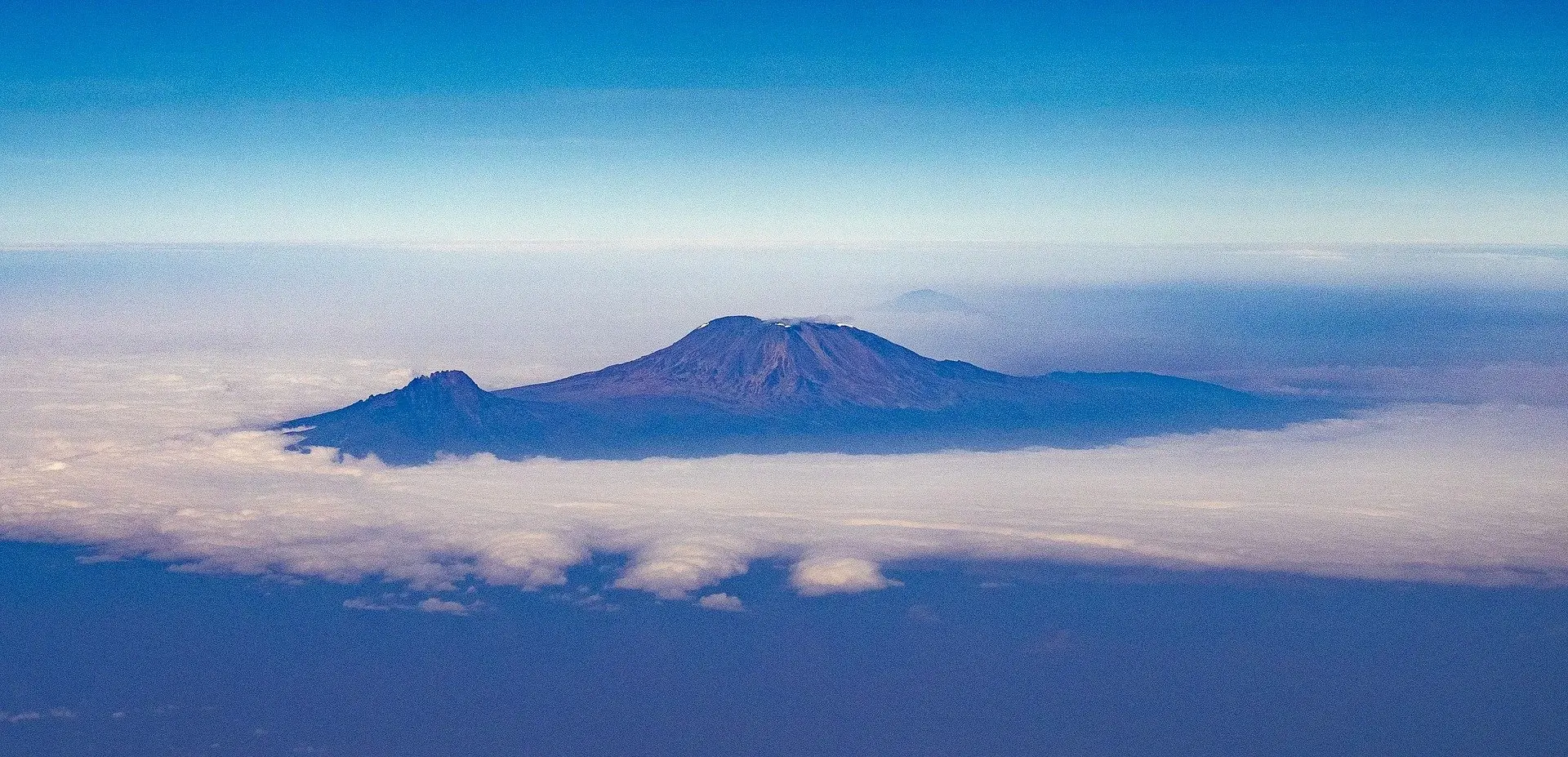
Kilimanjaro Over 50 or 60 at a Glance
- There is no single age at which a healthy person automatically becomes too old for Kilimanjaro.
- Fitness does not prevent altitude sickness, and every unacclimatized climber remains at risk.
- Current CDC guidance states that people over 50 have a slightly lower risk of Acute Mountain Sickness, but age offers no protection from serious illness.
- Stable health, regular activity and recovery capacity matter more than age alone.
- Climbers with medical conditions or regular medication should obtain an individual pre-travel assessment.
- Longer itineraries are generally more suitable than compressed climbs.
- Eight-day Lemosho and longer Northern Circuit schedules are strong options for many older climbers.
- Seven-day Rongai avoids the Barranco Wall; seven-day Machame suits capable hikers comfortable with varied terrain.
- Six-day Marangu offers huts but not an easier altitude profile.
- Downhill strength, balance and joint tolerance deserve as much training as uphill fitness.
- A private climb can provide useful flexibility, but camps and park facilities remain shared.
- A safe descent is more important than reaching the summit.
Is 50 or 60 Too Old to Climb Kilimanjaro?
No fixed birthday determines whether you are ready. Some people in their 60s train regularly, hike for full days and recover well. Some people in their 40s have little walking experience, poorly controlled medical conditions or limited mobility. Chronological age is a weak substitute for an individual assessment.
Useful readiness questions include:
- Can you walk for five to seven hours at a steady pace?
- Can you repeat a long walk the following day?
- Can you climb and descend hills without significant pain or instability?
- Can you carry a 25-35 litre daypack containing water and clothing?
- Can you manage broken sleep and remain functional the next morning?
- Are any heart, lung, neurological, metabolic or joint conditions stable?
- Have you discussed altitude and your medicines with an appropriate doctor?
- Are you comfortable turning around if the guide decides that continuing is unsafe?
The goal is not to prove that age does not matter. It is to understand the specific ways health, muscle strength, recovery and life experience may affect your climb, then plan around them.
What Changes With Age - and What Does Not
Many climbers over 50 bring valuable advantages: patience, consistent pacing, realistic expectations and the discipline to prepare properly. These qualities fit Kilimanjaro's slow "pole pole" rhythm very well.
Ageing can also be associated with reduced aerobic capacity, slower recovery, loss of muscle mass, reduced balance and more joint stiffness. None of these changes occurs at the same rate in every person. Regular activity and strength training can preserve function, while inactivity can matter more than age itself.
What does not change is the mountain's altitude. Training improves walking ability and resilience, but it cannot make anyone immune to AMS, HACE or HAPE. The altitude, rate of ascent, previous response and individual susceptibility remain central.
Age and Altitude Sickness
The CDC Yellow Book reports that people over 50 have a slightly lower statistical risk of Acute Mountain Sickness than younger adults. This should not be interpreted as protection. Any unacclimatized person sleeping above approximately 2,450 metres can develop altitude illness, and Kilimanjaro rises to almost 5,900 metres.
The body's crucial early acclimatization response takes place mainly during the first three to five days. Fitness does not speed this process enough to make a short itinerary safe. A strong older athlete and a moderately fit older walker both need a sensible sleeping-altitude progression.
Common AMS symptoms include:
- Headache
- Nausea or loss of appetite
- Dizziness or light-headedness
- Unusual fatigue or weakness
- Vomiting
- A noticeable reduction in normal walking performance
More serious warning signs include confusion, unusual behaviour, loss of coordination, breathlessness at rest, chest congestion, a worsening cough and a major decline in performance. These require immediate guide assessment and usually urgent descent.
The Three Rules That Apply at Every Age
Do not ascend to a higher sleeping altitude while experiencing altitude-illness symptoms.
Descend if symptoms become worse or fail to improve at the same altitude.
Treat confusion, loss of coordination or breathlessness at rest as an emergency.
Oxygen and appropriate medication can support a sick climber while descent or evacuation is organised. They must never be used to hide worsening symptoms and continue towards the summit.
Medical Assessment Before Booking
Every climber can benefit from a pre-travel consultation, but it becomes particularly important when health conditions or medications accumulate. Ideally, speak to a doctor familiar with travel, exercise or altitude medicine before making non-refundable arrangements.
The consultation should consider the demands of several consecutive trekking days, cold exposure, remote care and a summit above 5,800 metres. A routine statement that you are "fit to travel" may not address those demands.
Discuss:
- Heart disease, chest discomfort, unexplained breathlessness or fainting
- High blood pressure and whether it is consistently controlled
- Asthma, chronic lung disease or reduced oxygen levels
- Diabetes and how exercise, altitude, appetite changes and cold affect management
- Obstructive sleep apnoea and the practical use of CPAP without dependable electricity
- Severe anaemia, clotting disorders or sickle cell disease or trait
- Previous stroke, neurological illness or seizure disorder
- Previous HACE, HAPE or severe AMS
- Joint replacement, arthritis, back problems or significant mobility limitations
- Recent surgery, injury or infection
- All prescription medicines, over-the-counter drugs and supplements
The CDC classifies older age itself among factors that are likely to add no extra ascent risk, but several conditions common in later life require caution or may make high-altitude travel inappropriate until treated. The decision must be individual.
When Further Testing May Be Appropriate
Not every climber over 50 needs a cardiac stress test, lung-function testing or laboratory work. Your clinician should decide based on symptoms, activity history, examination, diagnoses and the intensity of the planned climb.
Further assessment may be considered when there is unexplained chest pain, unusual shortness of breath, poor exercise tolerance, poorly controlled blood pressure, known heart or lung disease, significant anaemia or a long period of inactivity before starting strenuous training.
Medical clearance is useful risk management, not a summit guarantee. A test at sea level cannot predict exactly how you will acclimatize on Kilimanjaro.
Medication Planning for Older Climbers
Carry an up-to-date medication list showing generic names, doses and the conditions being treated. Pack more than the exact trip requirement in case travel is delayed, and keep essential medication in cabin baggage and your daypack.
Ask your doctor about:
- Timing medicines across time-zone changes and early summit departures
- Blood-pressure medicines and the effects of dehydration or reduced appetite
- Diuretics and fluid or electrolyte balance
- Diabetes medicines, insulin storage and glucose monitoring in cold conditions
- Anticoagulants or antiplatelet medicines and injury or bleeding concerns
- Pain medicines and whether they are safe with your other prescriptions
- Respiratory depressants, including opiates and some sleeping medicines
- Acetazolamide interactions, kidney considerations and expected side effects
Do not stop, double or adjust regular medication on your own. Inform the lead guide about relevant medical conditions, allergies and where emergency medication is kept.
Should You Take Diamox?
Acetazolamide, commonly known as Diamox, accelerates part of the acclimatization response by stimulating breathing, especially during sleep. It can reduce the likelihood and severity of AMS, but it cannot guarantee acclimatization or make a compressed route responsible.
Whether it is suitable depends on your medical history, kidney function, allergies and other medicines. Discuss it with a doctor before departure and, if prescribed, understand the dose and side effects. Increased urination and tingling in the fingers or toes are common. Do not wait until high altitude to experiment with an unfamiliar prescription.
Other altitude medicines are specialist treatments and should not be self-prescribed as a way to continue climbing when descent is required.
Choosing a Route After 50 or 60
The most suitable route balances acclimatization time, terrain, accommodation, total distance and your personal concerns. Avoid assuming that a short route is easier simply because it involves fewer days.
| Route | Why it may suit an older climber | Important limitation |
|---|---|---|
| 8-day Lemosho | Gradual western approach, varied scenery and useful high-and-low movements | Camping route; includes the Barranco Wall and becomes busier later |
| Longer Northern Circuit | More acclimatization time, quieter northern camps and no Barranco Wall | Longest walking distance, additional nights and greater cost |
| 7-day Rongai | Quieter approach, generally gentler gradients and no Barranco Wall | Fewer classic climb-high-sleep-low opportunities; descend via Marangu |
| 7-day Machame | Scenic and well-established, with Lava Tower acclimatization | More traffic and varied terrain, including the Barranco Wall |
| 6-day Marangu | Shared huts may appeal to climbers who prefer not to sleep in tents | Shorter altitude schedule, shared facilities and the same trail for descent |
| Umbwe | Direct and dramatic | Rapid altitude gain and steep early terrain; generally unsuitable without strong experience and acclimatization |
The route name alone does not determine safety. Compare the exact sleeping camps, number of trekking days, acclimatization hikes and staffing plan.
Why Eight-Day Lemosho Is Often a Strong Choice
For an active climber over 50 or 60 without a reason to avoid the Barranco Wall, the eight-day Lemosho itinerary offers a good balance of time, scenery and progressive exposure. The approach begins on the western side and includes helpful movements such as trekking towards Lava Tower before descending to sleep at Barranco.
The route still contains demanding days, cold camps and a long summit attempt. The Barranco Wall involves guided scrambling and may not suit someone with major balance, hip, knee or height concerns. It should be discussed honestly rather than dismissed as easy.
When the Northern Circuit May Be Better
The Northern Circuit is attractive for climbers who place acclimatization time above speed. It avoids the Barranco Wall and spends more time around the quieter northern side of the mountain.
More days do not mean less total work. The route covers a longer distance, and additional nights of camping can be tiring for someone who sleeps poorly. It works best for climbers with strong walking durability who benefit from a slower overall altitude progression.
Rongai for Climbers Avoiding the Barranco Wall
The seven-day Rongai route has a quieter northern approach and avoids the Barranco Wall. Its gradients are often described as gentler, and the time around Mawenzi provides striking scenery.
Rongai does not offer as much climb-high-sleep-low movement as Lemosho or Machame, so the full seven-day schedule is important. The summit route still climbs towards Gilman's Point and remains physically and mentally demanding.
Is Marangu Easier Because It Has Huts?
Marangu is the only standard route using shared huts rather than tents. A solid roof, communal dining space and no need to crawl into a tent can be attractive for some older climbers.
The huts do not change the oxygen level or make the altitude profile gentle. The six-day version, including the additional night at Horombo, is more responsible than the five-day schedule, but significant sleeping-altitude gains remain. Facilities are communal, privacy is limited and the same path is used for ascent and descent.
Choose Marangu because its accommodation and trail suit you, not because it is marketed as the easy route.
Should Older Climbers Avoid the Barranco Wall?
The Barranco Wall is a guided scramble found on Lemosho and Machame. It looks dramatic, but the standard passage does not normally require technical equipment. Climbers use their hands for balance, step over uneven rock and pass a few exposed-looking positions.
It may be unsuitable for someone with restricted hip movement, significant knee problems, poor balance, vertigo or a strong fear of heights. Wet, icy or crowded conditions add difficulty. A guide cannot remove every physical demand.
If this is a major concern, Northern Circuit, Rongai or Marangu avoids the wall. Selecting another route is sensible planning, not a lesser achievement.
How Long Should the Training Programme Be?
Many climbers over 50 or 60 benefit from starting structured preparation three to six months before departure. A longer build-up is useful after inactivity, injury or illness. Someone who already hikes every week may need less time, but should still train specifically for consecutive days and descent.
Progress gradually. Sudden increases in distance, elevation or pack weight create injuries that can be harder to recover from than a temporary lack of fitness.
A balanced programme includes:
- Aerobic endurance
- Uphill walking capacity
- Leg and core strength
- Downhill control
- Balance and mobility
- Back-to-back hiking days
- Recovery, sleep and nutrition
A Practical 16-Week Training Framework
| Phase | Main purpose | Example focus |
|---|---|---|
| Weeks 1-4 | Establish consistency | Three aerobic sessions, two light strength sessions and one longer walk each week |
| Weeks 5-8 | Build hills and strength | Longer inclines, step-ups, squats, lunges, calf work and progressive weekend hikes |
| Weeks 9-12 | Develop trekking durability | Back-to-back walking days, more elevation and regular use of the daypack |
| Weeks 13-14 | Specific preparation | Long hilly walks, controlled descents and testing the full clothing and hydration system |
| Weeks 15-16 | Taper and recover | Reduce volume, maintain gentle movement, resolve equipment issues and prioritise sleep |
This is a framework, not a prescription. Adapt it to your starting point and medical guidance. Pain that changes your walking pattern, chest discomfort, faintness or disproportionate breathlessness requires assessment rather than determination.
Strength, Balance and Descending
Summit success discussions often focus on lungs and uphill endurance. For older climbers, the descent may expose weaknesses more clearly. Tired quadriceps must control each step on loose scree, and several hours of downhill movement can aggravate knees, hips or the lower back.
Useful exercises include step-ups, controlled step-downs, squats to a comfortable depth, lunges or split squats, calf raises, hip strengthening and core stability. Balance work can include single-leg stands near support and careful movement over uneven ground.
Trekking poles reduce some load and improve stability, but they do not replace strength. Learn to adjust and use them before travelling.
Train on Consecutive Days
Kilimanjaro is not one long hike followed by a week of rest. Training should occasionally include two substantial walking days in a row. The second day shows how your feet, joints, energy and motivation respond before full recovery.
Begin with manageable sessions and increase only one variable at a time: duration, elevation or pack weight. The purpose is durable movement, not exhaustion.
Foot Care and Joint Management
Broken-in boots are essential. Test them on long descents, because footwear that feels comfortable for two hours may cause toe pressure, heel movement or blisters after six hours.
Bring a familiar blister-care system, trim nails before the climb and report hot spots early. If you normally use orthotics, knee supports or prescribed pain management, test the complete system during training and discuss it with your clinician.
Do not use painkillers to conceal a worsening injury so you can continue upward. Pain that affects balance or walking function becomes a group and evacuation concern.
Recovery Matters More Than Heroic Training
Training adaptations occur during recovery. Older climbers may need more time between hard sessions, especially after long downhill walks or strength training. Schedule easier days, maintain adequate nutrition and aim for consistent sleep.
The final one to two weeks should reduce training load. Arriving with inflamed knees, a respiratory infection or deep fatigue is worse than missing one last difficult workout.
Arrival and Pre-Climb Recovery
Long-haul flights, time-zone changes and disrupted sleep can affect blood pressure, hydration, mobility and medication schedules. Build margin into the arrival plan rather than landing and beginning the trek immediately.
At least one full night before the climb is important; two nights can be valuable after complex travel or for anyone who wants more recovery time. Walk gently, eat normally and avoid turning the hotel day into a hard training session.
During the Tanzania Inside Safari briefing, guides review the route, equipment, health information, emergency procedures and porter-carried luggage. Disclose new symptoms, medication changes or travel illness before entering the park.
Equipment Priorities for Climbers Over 50 or 60
Correct equipment reduces unnecessary stress. Prioritise function and fit over fashionable ultralight choices.
- Broken-in waterproof boots with secure heel hold and toe space
- Trekking poles with comfortable grips
- A properly fitted 25-35 litre daypack
- Layered clothing that is easy to adjust
- Warm gloves that preserve dexterity
- A four-season sleeping bag appropriate for freezing nights
- A supportive sleeping mat supplied or upgraded according to the package
- Headlamp controls you can operate while wearing gloves
- Prescription glasses plus a spare pair
- Hearing-aid batteries and moisture protection where relevant
- Personal medicines in waterproof, clearly labelled bags
- Reusable water bottles, including an insulated bottle for summit night
Your porter-carried duffel is normally limited to 15 kilograms. Keep rain gear, insulation, water, snacks, medicines, sun protection and valuables in your daypack because the duffel is not accessible while walking.
Sleeping, Toilets and Camp Comfort
Lemosho, Machame, Rongai and Northern Circuit are camping routes. Tanzania Inside Safari provides sleeping tents, mattresses, a dining tent, meals, treated drinking water and a private portable toilet for our group. Campsites themselves are shared with other expeditions.
Marangu uses shared huts and communal toilets. Huts provide a roof but not hotel comfort, private bathrooms or guaranteed quiet.
Cold, altitude and periodic breathing can interrupt sleep. A poor night does not automatically mean AMS, but headache, nausea, unusual weakness, confusion, chest symptoms or breathlessness at rest must be reported. Do not take an unfamiliar sedative or respiratory-depressant medicine to force sleep.
Food, Hydration and Appetite
Eat regularly even when appetite falls. Carbohydrate-rich foods are often easier to tolerate at altitude and provide useful trekking energy. Tell the cook and guide early if nausea, dental problems or dietary restrictions are preventing adequate intake.
Drink regularly according to thirst, conditions and guide advice. Many climbers consume roughly three to four litres of total fluid across a full day, including drinks at camp, but there is no universal target. Extra water does not prevent AMS, and forced overhydration can be dangerous.
Climbers using diabetes medication, diuretics or medicines affected by dehydration need an individual plan from their clinician.
Health Monitoring on the Mountain
Our guides conduct regular health reviews that may include:
- Headache, appetite, nausea, dizziness, sleep and fatigue questions
- Pulse and oxygen-saturation readings
- Observation of breathing, balance, pace and behaviour
- Comparison with earlier measurements
- Assessment of eating, drinking, communication and walking function
A pulse oximeter supports the assessment but does not replace it. Cold fingers, movement, circulation and technique affect readings. One number cannot determine whether someone is safe to continue.
Our trained local mountain guides carry first-aid equipment and emergency oxygen. The lead guide has authority to stop an ascent, arrange descent or begin evacuation when continuing is unsafe.
Private or Group Climb for an Older Traveller?
A private climb can be especially useful when you want a chosen departure date, a compatible pace, additional privacy or planning around a medical or mobility consideration. It also makes it easier to build pre- and post-climb rest into a complete itinerary.
Private does not mean exclusive campsites, and it does not allow unsafe route changes after the climb begins. Park procedures, weather and guide authority still apply.
A scheduled group climb can provide companionship and shared motivation. Ask about maximum group size, guide staffing and what happens if one climber must descend. A responsible staffing plan should not pressure a sick person to continue or automatically end every other climber's ascent.
Summit Night After 50 or 60
Summit night usually begins around midnight and combines a prolonged high-altitude ascent with a major descent later that day. Cold, reduced oxygen, darkness and accumulated fatigue make it the hardest part of the climb for most people.
Practical strategies include:
- Prepare summit clothing in the correct order before resting.
- Use an insulated bottle because hydration hoses can freeze.
- Eat the available pre-departure meal or snack.
- Maintain a very slow, sustainable pace.
- Tell the guide immediately about chest symptoms, confusion, loss of balance or major weakness.
- Protect hands and feet before they become painfully cold.
- Save energy and attention for the descent.
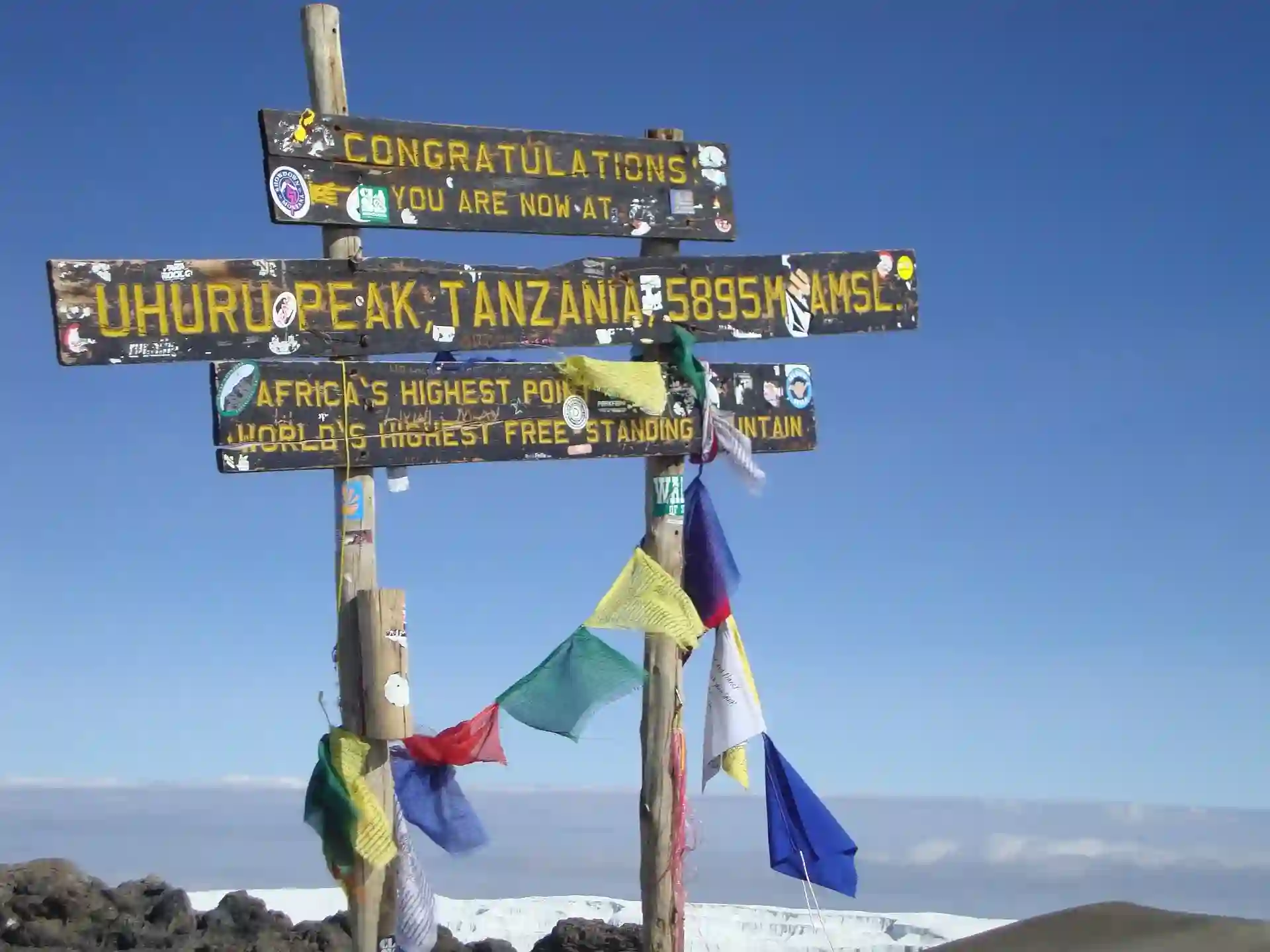
The decision to continue beyond Stella Point or Gilman's Point towards Uhuru Peak depends on health, time, weather and guide judgement. Reaching the crater rim is not permission to ignore deterioration.
Travel Insurance and Emergency Evacuation
Your policy should explicitly cover:
- Tanzania and the full travel dates
- Guided trekking to at least 6,000 metres
- AMS, HACE, HAPE and other medical emergencies
- Mountain rescue and ground evacuation
- Helicopter evacuation where available and operationally possible
- Hospital treatment and repatriation
- Trip cancellation, interruption and delayed baggage where relevant
Helicopter evacuation is not guaranteed. Weather, daylight, aircraft availability, location and landing conditions may require assisted descent or ground evacuation. An operator's rescue arrangement is not a substitute for insurance that will pay the costs.
Older travellers should read exclusions for pre-existing conditions carefully and obtain written confirmation when needed. Carry policy and emergency information on paper as well as digitally.
When Postponing Is the Responsible Choice
Postponement may be appropriate when:
- A new heart, lung or neurological symptom has not been assessed
- Blood pressure, diabetes, asthma or another condition is poorly controlled
- Surgery or a major injury has not fully healed
- A respiratory or gastrointestinal infection is present near departure
- Training repeatedly causes chest pain, faintness or unusual breathlessness
- Joint pain changes your gait or creates instability
- Essential medication or insurance arrangements are incomplete
- You feel pressured to climb despite serious personal doubts
Moving the trip is disappointing, but it is better than starting a remote expedition with an unresolved problem.
Common Mistakes Made by Older Climbers
- Choosing a short route because fewer days sound easier
- Assuming maturity or hiking experience prevents altitude sickness
- Starting intense training too quickly and becoming injured
- Training uphill but ignoring downhill control
- Hiding a diagnosis or medication from the guide
- Using painkillers to mask a worsening injury
- Treating a normal sea-level oxygen reading as proof of altitude tolerance
- Packing critical medication in checked luggage or the porter duffel
- Underestimating sleep disruption and recovery needs
- Buying insurance without checking altitude and pre-existing-condition clauses
- Believing huts make Marangu an easy climb
- Defining success only as standing at Uhuru Peak
Questions to Ask Your Operator
- How many trekking days are included, excluding hotel nights?
- What are the camp elevations and acclimatization opportunities?
- Which route avoids the Barranco Wall if mobility or balance is a concern?
- How often are health checks performed?
- What emergency and first-aid equipment is carried?
- Who has authority to stop the ascent?
- What happens if one person must descend?
- Is emergency oxygen carried for treatment rather than routine summiting?
- What accommodation, toilet and washing arrangements are included?
- What is the porter-carried duffel limit?
- How should medical information and medication be documented?
- Which evacuation expenses remain the traveller's responsibility?
Clear answers matter more than a high summit-success claim.
A Readiness Checklist
Before departure, you should be able to say:
- My route provides adequate time rather than the shortest possible ascent.
- My clinician understands the altitude and trekking demands where medical review is needed.
- My conditions are stable and my medication plan is clear.
- I can complete long walks on consecutive days.
- I have trained for descent, strength and balance.
- My boots, poles, daypack and layers have been tested.
- My insurer confirms trekking to at least 6,000 metres and altitude illness cover.
- My operator knows my relevant health history.
- I understand that oxygen does not justify continuing upward with worsening symptoms.
- I accept that turning around can be the safest and strongest decision.
Our Approach for Climbers Over 50 or 60
Tanzania Inside Safari is a locally owned operator with practical Kilimanjaro experience. We do not assume that an older climber needs a simplified adventure, and we do not assume that enthusiasm replaces preparation.
Our approach includes:
- Individual route advice based on health, experience, time and objectives
- Longer itinerary options with better acclimatization profiles
- A controlled pole pole pace
- Pre-climb briefings and equipment checks
- Regular symptom, function and oxygen-saturation reviews
- Trained local mountain guides with authority to stop an unsafe ascent
- Emergency oxygen and mountain first-aid equipment
- Clear descent and evacuation procedures
- Treated water, mountain meals and practical camp support
- Private portable toilets on our camping-route treks
- Responsible porter loads, meals and welfare standards
We can arrange a private climb or discuss suitable scheduled departures. Safari or Zanzibar time can also be added after the mountain, with enough recovery built into the itinerary.
Research and Further Reading
This guide reflects Tanzania Inside Safari's operating practices and a review of current medical and route guidance. Further reading includes the CDC Yellow Book 2026 high-altitude chapter, the Wilderness Medical Society 2024 altitude summary, the CDC overview of physical activity and healthy ageing.
Plan Your Kilimanjaro Climb
Tell us your age range, current activity, previous altitude experience, preferred travel period and any route or accommodation concerns. Relevant medical details should be discussed privately with your doctor and our climb-planning team.