


Climbing Kilimanjaro as a Couple: Private Routes, Pacing and Shared Preparation
Plan a private Kilimanjaro climb as a couple, including the best routes, different walking paces, shared training, summit decisions and romantic extensions.

Climbing Kilimanjaro as a Couple at a Glance
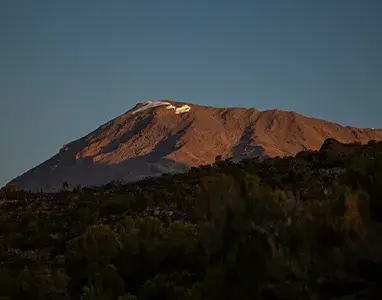
Climbing Kilimanjaro together can become one of the defining experiences of a relationship. For several days, ordinary routines disappear. You walk through rainforest, moorland and alpine desert, share simple meals at camp and finally set out beneath the stars towards the highest point in Africa.
It is romantic in the broadest sense: not because every moment feels like a honeymoon, but because the mountain reveals how two people communicate, adapt and care for each other when they are tired, cold and far outside normal life.
The experience also requires realistic planning. Couples rarely have identical fitness, walking speed, cold tolerance, appetite or response to altitude. One partner may feel strong while the other develops a headache or nausea. One may want to keep moving while the other needs more breaks. A private climb provides useful flexibility, but it cannot make two bodies acclimatise in the same way.
The best preparation is therefore shared without becoming competitive. Choose a route that gives both of you time. Train together often enough to understand each other’s pace. Discuss difficult decisions before the climb. Then give the professional guide authority to protect each climber as an individual.
- A private climb gives you a dedicated mountain team, itinerary and camp service; it does not make the public trail or campsites exclusive.
- Choose the route for the less experienced high-altitude climber, not the faster athlete.
- For most couples, an eight-day Lemosho itinerary is a strong combination of scenery, acclimatisation time and variety.
- The Northern Circuit offers a longer, quieter experience when time and budget allow.
- Seven-day Rongai can suit couples prioritising quieter early trails, while seven-day Machame suits those comfortable with a busier social route.
- Fitness does not provide immunity from altitude sickness, and partners can respond very differently at the same altitude.
- Agree before departure what should happen if one person must descend.
- A suitable guide structure should allow the couple to split safely when necessary.
- Walk at a controlled pole pole pace rather than matching the stronger partner’s natural speed.
- Train together, but maintain individual programmes for different weaknesses or schedules.
- Do not share essential personal equipment such as waterproofs, headlamps, gloves, water capacity or medication.
- Schedule at least one full day in Tanzania for briefing, equipment checks and delayed-luggage solutions before starting.
- Each climber needs insurance covering trekking to at least 6,000 metres, altitude illness, evacuation, treatment and repatriation.
- Treat the summit as a shared objective rather than a test of the relationship.
- Plan celebrations, proposals and photographs in ways that do not depend entirely on reaching Uhuru Peak.
What Does a Private Kilimanjaro Climb Mean?
On a private climb, you book the expedition for your own party rather than joining unrelated travellers on a scheduled group departure. For a couple, that normally means two climbers supported by a dedicated local crew.
The exact team depends on the route and services but can include:
- A lead mountain guide
- An assistant guide or additional summit support
- A cook
- Porters carrying tents, food, safety equipment and other group supplies
- Specialist camp or toilet staff where included
Your departure date, route, hotel arrangements, transfers and some aspects of camp service are organised around you. Daily pacing can be more responsive than on a large group trek, and the guides become familiar with the health and habits of two climbers rather than many.
However, “private” does not mean the mountain is reserved for you. Kilimanjaro’s recognised trails, camps, park gates and summit approach are shared public spaces. On popular routes during busy months, you will see other climbing teams.
A private climb provides operational privacy—not an empty mountain.
Why Couples Choose a Private Climb
More Control Over the Date and Route
You can select a departure that fits your holiday, anniversary or honeymoon rather than joining a fixed group date. This is particularly useful when combining Kilimanjaro with a safari or Zanzibar.
A Pace Built Around Two People
The guide can pay close attention to your natural speeds, rest patterns and health. If one person requires a slower rhythm, the day does not have to be managed around a much larger group.
More Personal Camp Time
Couples often value the quieter rhythm of eating together and processing the day without a large social group. A private dining arrangement can give you that space while the crew remains close enough to support you.
Easier Communication
Dietary needs, medical information, celebration plans and personal concerns can be discussed directly with the guide and local planning team.
Greater Flexibility When You Differ
A properly staffed private climb can allow one partner to walk slightly ahead, take an extra rest or descend with a guide while the other continues safely.
This flexibility has limits. Park camps, permits and the route schedule cannot simply be changed without regard to regulations, safety or crew logistics. A private guide also cannot make unsafe altitude symptoms disappear or guarantee a summit.
Private Climb or Group Departure?
Neither format is inherently better. The choice depends on the experience you want.
A Private Climb May Suit You If:
- You are celebrating a honeymoon, anniversary, engagement or major life event.
- You value privacy and individual attention.
- One partner expects to walk substantially slower.
- You have specific dietary, health or equipment needs.
- You want to coordinate the climb with private travel dates.
- You prefer not to make safety decisions under social pressure from a larger group.
A Group Departure May Suit You If:
- You enjoy meeting other trekkers.
- You want a more social camp atmosphere.
- You are comfortable following fixed dates and arrangements.
- You prefer to share some expedition costs across a larger group.
- You and your partner are happy to function as part of a wider team.
A group climb does not prevent couples from spending time together, and a private climb does not guarantee silence. Ask how camps, dining tents and guide teams are organised rather than relying on the label alone.
Which Kilimanjaro Route Is Best for Couples?
The best route is not automatically the most romantic, scenic or expensive. It should suit both partners’ experience, available days and tolerance for crowds, camping and long trekking days.
Eight-Day Lemosho: Our Strong All-Round Choice
Lemosho begins on the western side of Kilimanjaro and crosses the Shira Plateau before joining the southern circuit. Tanzania Inside Safari’s current Lemosho route information recommends the longer programme for its acclimatisation profile and varied scenery.
Why couples often like it:
- A scenic, relatively remote beginning
- More trekking days before the summit attempt
- Strong photographic variety
- Useful high-and-low movement around Lava Tower and Barranco
- A sense of completing a full mountain journey together
The route becomes busier after it joins the southern circuit. It also includes the Barranco Wall, where couples must concentrate on their own footing rather than trying to remain side by side.
For most first-time high-altitude couples, we prefer the eight-day version over a compressed itinerary.
Northern Circuit: Best for More Time and Quieter Terrain
The Northern Circuit shares Lemosho’s western approach before travelling around the quieter northern side of Kibo. It provides a longer mountain experience and broad changes of scenery.
Why it may suit a couple:
- More time before the summit attempt
- Quieter camps during the northern traverse
- A strong sense of privacy and expedition
- Wide views towards Kenya and the northern plains
- More days to settle into a shared rhythm
The trade-offs are additional cost, more nights camping and a longer holiday commitment. A long itinerary is valuable for acclimatisation, but it still does not guarantee that both people will remain symptom-free.
Seven-Day Rongai: Best for a Quieter Northern Approach
Rongai begins on Kilimanjaro’s northern side. The early trail is usually quieter than Machame, and the route provides views of Mawenzi and the Kenyan plains.
Why couples may choose it:
- Less traffic during the early days
- A more remote atmosphere
- A different ascent and descent landscape
- A seven-day option with time near Mawenzi
The trail approaches Kibo from the east, and the summit ascent remains demanding. Rongai can be drier than southern routes at some times of year, but mountain weather is never guaranteed.
Seven-Day Machame: Best for Scenery and a Social Atmosphere
Machame is one of the most popular routes. It offers dramatic scenery, the Lava Tower acclimatisation day and a descent by Mweka.
Why it may suit a couple:
- A varied and visually impressive trail
- A well-established seven-day programme
- Useful “climb high, sleep lower” movement
- A lively mountain atmosphere
It is not the route to choose if your idea of privacy means rarely seeing other trekkers. A private team still gives you personal service, but the camps and trail can be busy.
Six-Day Marangu: Best for Hut Accommodation
Marangu is the only standard route using mountain huts rather than camping tents. Couples who dislike tent camping may find that appealing.
Choose the six-day version with its additional acclimatisation day rather than the five-day schedule. Remember that huts are shared; Marangu may provide more solid shelter but not necessarily more privacy.
Umbwe: Usually Not the Best First Couple Climb
Umbwe rises steeply and rapidly during its early stages. It is less forgiving for unacclimatised climbers and is normally better suited to experienced or properly pre-acclimatised trekkers.
Choosing a difficult route to make the trip feel more impressive adds avoidable pressure. Strong fitness in one or both partners is not a substitute for a suitable sleeping-altitude profile.
Choose for the Less Experienced Partner
One of you may run marathons while the other prefers long weekend walks. One may have climbed above 4,000 metres; the other may never have slept in a tent.
When selecting the route, use the needs of the less experienced high-altitude trekker as the baseline. This does not mean underestimating them. It means allowing the trip to work for both people.
Discuss honestly:
- Previous trekking and camping experience
- Previous response to altitude
- Comfort in cold or wet conditions
- Walking speed on hills
- Recovery after consecutive long days
- Existing injuries
- Dietary limitations
- Sleep quality outdoors
- Available training time
- Personal fears or sources of stress
The stronger partner will not lose anything by choosing a longer itinerary. Both may gain a more enjoyable and responsible ascent.
Different Walking Paces Are Normal
Couples often imagine walking shoulder to shoulder from gate to summit. In practice, trails narrow, hikers settle into different rhythms and altitude changes pace from day to day.
Trying to force identical movement can create problems:
- The slower person may overexert themselves.
- The faster person may become frustrated or repeatedly stop and cool down.
- One partner may hide symptoms to avoid becoming a burden.
- The couple may focus on each other rather than the guide’s pace.
The guide should normally set a controlled pole pole rhythm. On steep or high sections, the couple may walk several metres apart while remaining in the same guided unit.
If the difference is substantial, ask whether the team includes enough qualified guide support to create two safe walking subgroups. This becomes especially important on summit night.
The Guide Leads—Not the Faster Partner
A common mistake is allowing the fitter partner to become an unofficial pace-setter. They move naturally, the other person follows, and both arrive at camp more exhausted than necessary.
On Kilimanjaro, speed does not prove strength. A controlled pace conserves energy and reduces unnecessary exertion while the body adapts to lower oxygen pressure.
Agree before the climb that:
- The guide sets the pace.
- Neither partner will pressure the other to move faster.
- Breaks are operational decisions, not relationship negotiations.
- Symptoms are reported directly and honestly.
- A slow day does not mean the trek is failing.
The faster partner can use the extra capacity to stay patient, hydrated and observant—not to turn every day into a training session.
Altitude Can Affect Each Partner Differently
At 5,895 metres, Kilimanjaro reaches extreme altitude. Lower atmospheric pressure means every breath supplies fewer oxygen molecules, and the body requires time to adjust.
The CDC Yellow Book explains that fitness does not determine susceptibility to altitude illness. Two people of similar age, training and health can respond very differently.
One partner may eat normally while the other loses their appetite. One may sleep reasonably while the other develops periodic breathing. A person who seemed stronger during training may experience more symptoms on the mountain.
This difference is not weakness, poor preparation or lack of commitment.
Symptoms That Must Be Reported
- Headache after gaining altitude
- Nausea or vomiting
- Loss of appetite
- Dizziness
- Unusual weakness or fatigue
- Noticeable loss of walking performance
- Confusion or unusual behaviour
- Loss of balance or coordination
- Breathlessness while resting
- Chest congestion or a persistent cough with declining performance
Partners can notice behaviour changes that a guide has not yet seen. Speak up if something concerns you, but do not diagnose, medicate or overrule the guide independently.
Never Hide Symptoms From Each Other or the Guide
Couples sometimes hide symptoms for protective reasons:
- “I did not want to ruin the trip.”
- “My partner trained so hard.”
- “This is our honeymoon.”
- “We have already spent so much.”
- “I thought I could push through.”
At altitude, silence removes options. Early reporting may allow rest, observation or treatment at the same elevation. Delayed reporting can turn a manageable problem into an urgent descent.
Create a simple agreement before departure: both partners will answer health questions honestly, even when the answer may affect the itinerary.
The guide should also have permission to speak with each person separately. Some climbers are more honest when they are not being watched by the person they fear disappointing.
Decide in Advance What Happens if One Person Must Descend
This is the most important couple-specific discussion.
Possible approaches include:
Both Partners Descend
Some couples decide that the shared experience matters more than one person’s individual summit. This is emotionally simple but should remain a voluntary choice.
One Descends and One Continues
This can be safe only when the guide team has enough qualified personnel to accompany each person. The descending partner must not be sent alone, and the continuing partner must still receive proper supervision.
Decide With the Guide at the Time
This is often the most practical approach. The medical situation, weather, location, remaining guides and both climbers’ conditions will influence the decision.
What should never happen:
- A sick climber continues because the partner wants a joint summit photo.
- A healthy climber continues without adequate guide support.
- A descending climber is left to navigate alone.
- One partner makes the medical decision for the other.
- Either person interprets descent as betrayal.
Write down your preferred approach, then accept that the lead guide may need to change it for safety.
Summit Night as a Couple
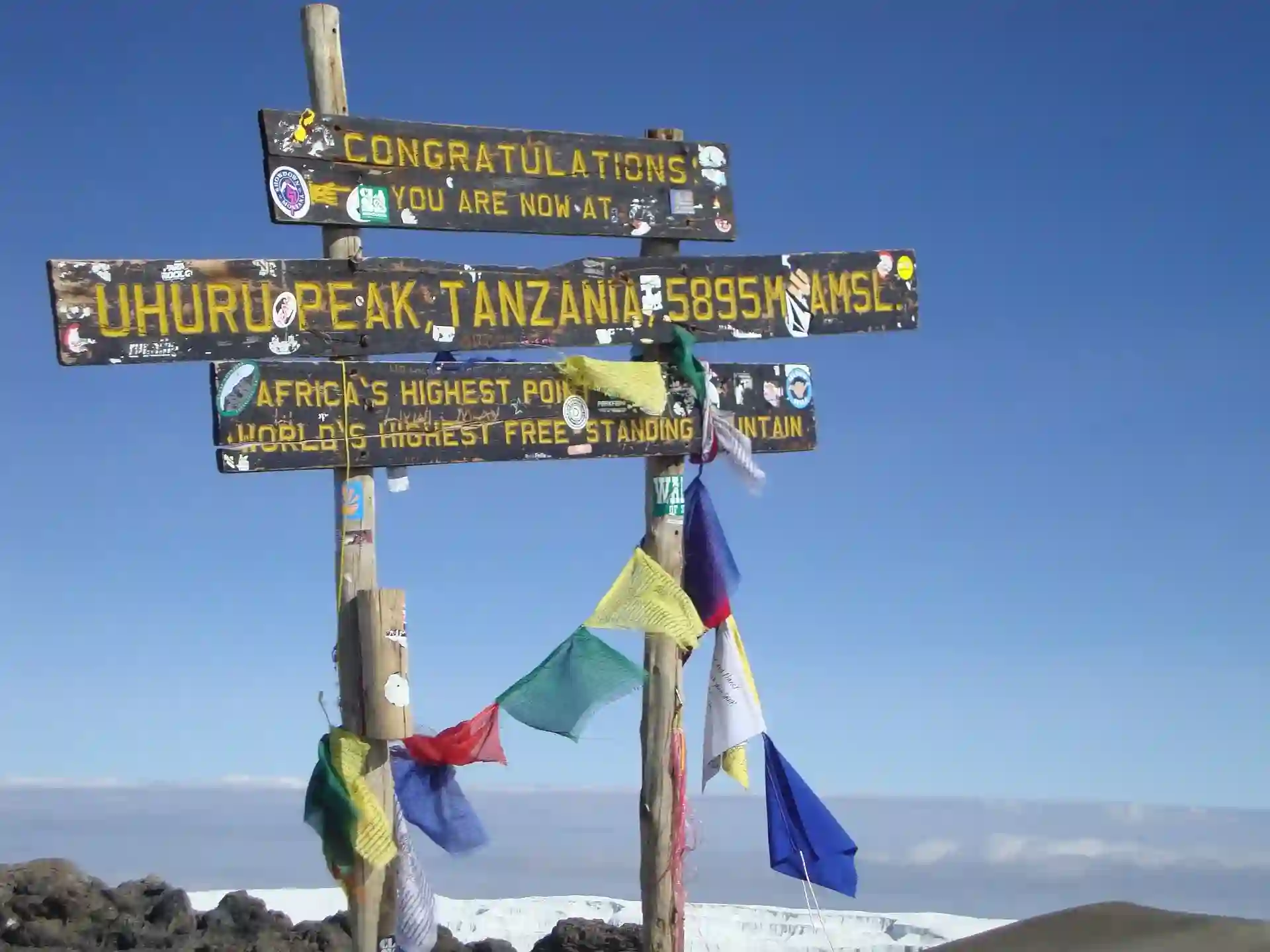
Summit night normally begins around midnight. You climb for several hours in darkness and cold before reaching the crater rim and, conditions permitting, continuing to Uhuru Peak.
Couples should expect:
- Limited conversation
- Narrow trails and other climbing teams
- Very slow movement
- Cold hands and feet
- Short stops to avoid excessive cooling
- Reduced appetite
- Emotional changes caused by fatigue and altitude
- The possibility of reaching landmarks at different times
Your best support may be quiet presence rather than encouragement repeated every few minutes. Let the guides manage pacing, clothing adjustments, hydration and symptom checks.
If you use trekking poles, walk with enough space to avoid catching your partner’s boots. Do not hold hands on steep, icy or crowded sections where both people need independent balance.
At the summit, listen to the guide about how long it is safe to remain. A proposal, banner or photo plan must never extend exposure when somebody needs to descend.
Train Together Without Competing
Training together helps you understand each other’s movement and communication. It also provides practical time to test equipment.
A shared programme can include:
- Weekly hill walks
- Gradually longer hikes
- Back-to-back walking days
- Stair or incline sessions
- Strength work for legs, hips and core
- Walking with the daypacks you will use
- Practice in waterproof layers
- Early-morning or low-light walks with headlamps
- Eating and drinking during long sessions
Avoid turning every session into a race. The goal is to arrive healthy and capable of steady multi-day movement.
Keep Individual Training Where Needed
Partners may have different weaknesses. One may need more cardiovascular work, while the other needs strength, balance or time on rough trails.
Individual sessions allow both people to improve without forcing identical workloads. Compare consistency rather than pace or distance.
Practise Communication Under Fatigue
During a long training walk, notice:
- How each of you asks for a break
- Whether one person becomes quiet when struggling
- How hunger affects mood
- Whether advice feels supportive or controlling
- How you solve small equipment problems
This knowledge is often more useful on Kilimanjaro than knowing who reaches the top of a training hill first.
Sleeping Arrangements and Personal Space
Most couples share a mountain tent. Ask about its dimensions, sleeping mats and duffel storage before booking.
A shared tent is warm and practical, but several nights of restricted space can test patience. Keep gear organised and agree which side each person uses. Store headlamps, water and toilet items where they can be reached without waking or stepping over the other person.
Some couples sleep better in separate tents. This may involve additional equipment, crew load and cost, but it is a reasonable request—especially when one person is a restless sleeper, uses medical equipment or values more space.
On Marangu, hut accommodation is shared with other trekkers and offers less couple privacy than many people expect.
Food, Appetite and Hydration
One partner may eat well at altitude while the other struggles. Avoid monitoring each other so aggressively that meals become stressful.
Useful habits include:
- Tell the cook about dietary needs before the climb.
- Carry personal snacks that each person knows they tolerate.
- Encourage regular drinking without forcing excessive water.
- Report persistent nausea or vomiting to the guide.
- Do not interpret reduced appetite as stubbornness.
- Keep some easy-to-eat summit snacks in each daypack.
Dehydration can cause headaches, but drinking excessive quantities does not prevent altitude sickness and can also be dangerous.
Managing Tension on the Mountain
Cold, poor sleep, hunger and altitude reduce patience. Small habits that are harmless at home can feel enormous inside a tent.
Agree on a few principles:
- Do not make major relationship decisions above 3,000 metres.
- Explain what you need directly rather than expecting your partner to guess.
- Let the guide resolve mountain logistics.
- Take short personal space when camp conditions allow.
- Apologise quickly for stress-driven reactions.
- Separate medical concern from criticism.
The guide has seen tired climbers before. Asking for help with pace, meals, tent organisation or symptoms is not embarrassing.
Planning a Proposal, Anniversary or Honeymoon Moment
Kilimanjaro can provide an extraordinary setting, but do not make the meaningful moment dependent on Uhuru Peak.
Summit Proposal
If you plan to propose at the summit, tell the operator discreetly. The guide can help with safe timing and photography. Keep the plan short and secure the ring carefully inside an inner zipped pocket.
Be prepared to move the proposal to Stella Point, Gilman’s Point, a scenic lower camp or the post-climb hotel if weather or health makes Uhuru unsafe.
Anniversary Celebration
A small cake, private meal or surprise at the hotel after descent may be more relaxed than carrying celebration items up the mountain. The local team can help organise something that does not add unnecessary porter load.
Kilimanjaro Honeymoon
A climb can begin a honeymoon, but allow recovery time afterwards. A safari lodge or Zanzibar beach stay gives you somewhere comfortable to rest, celebrate and process the experience.
Avoid flying home immediately after the descent if your schedule permits. Both people may be tired, sore and in need of sleep, laundry and a proper shower.
Photography Without Turning the Climb Into a Production
Private climbs are well suited to personal photography because the guide can help capture moments without a large group waiting.
Plan:
- Who carries the camera
- Battery storage in cold conditions
- Waterproof protection
- Whether both partners want to be filmed when tired or unwell
- A few priority photographs rather than constant recording
- Permission before photographing crew members closely
Do not walk while looking through a phone on exposed or uneven trail sections. At the summit, take essential photographs promptly and begin descending when instructed.
Privacy, Toilets and Personal Health
Couples should discuss sanitation and personal needs openly before the trip. A private portable toilet can improve convenience and privacy on camping routes, though it requires additional equipment and crew support.
Each person should carry:
- Hand sanitiser
- Toilet paper or tissues as advised
- Sealable waste bags where required
- Personal hygiene products
- Menstrual products and a plan for carrying waste out appropriately
- Any prescribed medication
Do not rely on a partner to carry essential hygiene or medical items. Keep a small independent supply in each daypack.
Travel Insurance for Both Climbers
Each person needs appropriate cover, even when travelling on a couple or household policy.
Confirm in writing that the policy covers:
- Trekking to at least 6,000 metres
- Altitude-related illness
- Emergency medical treatment
- Mountain evacuation
- Helicopter evacuation where available and medically appropriate
- Repatriation
- Cancellation and curtailment
- Declared pre-existing conditions
- Any safari, Zanzibar or other extension
The UK government’s travel-insurance guidance advises travellers to confirm that planned activities, medical conditions, emergency transport and repatriation are covered. Rules and policies vary by country and insurer.
Make sure the policy addresses a common couple scenario: if one person is hospitalised or medically evacuated, are reasonable costs covered for the other person to accompany them or adjust travel?
Both of you should carry the policy number and 24-hour emergency contact. Do not keep the only copy on one phone.
Arrive With Time to Prepare
Plan at least one full day in Moshi or Arusha before the trek. This is not wasted holiday time.
The preparation day allows:
- Recovery from international travel
- A detailed guide briefing
- Individual equipment checks
- Duffel weighing
- Gear rental or local purchases
- Final dietary and medical updates
- Review of the route, tipping and emergency procedures
- Time for delayed luggage to arrive
Couples sometimes pack most shared items in one suitcase. Divide critical clothing across both checked bags and carry boots, medication and essential layers in hand luggage where airline rules allow.
Budgeting for a Private Couple Climb
A private climb often costs more per person than joining a large group because many services are not divided among as many clients.
Your budget may include:
- Park, camping or hut fees
- Guides, cook and porters
- Mountain meals and water treatment
- Tents, sleeping mats and dining equipment
- Emergency and first-aid resources
- Airport transfers
- Hotels before and after the trek
- Private toilet where selected
- Gear rental
- Crew tips
- Flights, visas, insurance and vaccinations
- Single or separate tent supplements where requested
- Safari or Zanzibar extensions
Ask for a written inclusion list. “Private” should not conceal vague charges, and a honeymoon label should not automatically add services you do not value.
Ethical Considerations for a Private Climb
A couple may be supported by a surprisingly large team. This reflects the equipment, food, safety and camp systems required for a small expedition.
Choose an operator that can explain:
- Crew wages and payment timing
- Porter load management
- Meals and safe water for the crew
- Crew tents and sleeping arrangements
- Appropriate clothing and equipment
- Medical care for sick or injured workers
- The final crew number
- A transparent tipping procedure
Do not attempt to reduce the price by asking the operator to use too few porters or remove essential crew support. A private experience should not be built on overloaded workers.
Questions Couples Should Ask Before Booking
- Is this a fully private departure for the two of us?
- Which route and number of days do you recommend for our different experience levels?
- How many guides and assistant guides will accompany us?
- Can we split safely if one person must walk more slowly or descend?
- Who makes the final decision about continuing or turning around?
- How are daily health checks conducted?
- What emergency oxygen, first-aid and communication equipment is carried?
- What happens if one person becomes ill before the climb begins?
- What happens if one person descends while the other continues?
- What does the insurance need to cover?
- Will we share one tent, and what size is it?
- Can separate sleeping tents be arranged if requested?
- Is a private toilet included or optional?
- How are dietary needs managed?
- What gear can be rented in Moshi?
- What happens if airline luggage is delayed?
- What are the deposit, balance and cancellation terms?
- How many hotel nights and airport transfers are included?
- How large will the local mountain crew be?
- How are tips calculated and distributed?
- Can a proposal or celebration be arranged without compromising safety?
- Can we add a private safari or Zanzibar stay after the climb?
Our Private Couple Climbs at Tanzania Inside Safari
Tanzania Inside Safari is a locally owned family company based in Moshi and Arusha. Our current website emphasises customised travel, personal planning and firsthand knowledge of Kilimanjaro—all especially important when two people want a private journey rather than a standard group departure.
Our couple-climb planning can include:
- A private departure designed around your dates
- Route advice based on both partners’ experience and available time
- Airport transfers and hotel arrangements
- A dedicated briefing and equipment-check day
- Gear-rental support
- Private camping arrangements
- A private toilet when selected
- Professional local mountain guides
- A guide structure designed for safe pacing and separation where required
- Regular symptom and health assessments
- Pulse-oximeter readings interpreted alongside overall condition
- Emergency oxygen and mountain first-aid equipment
- A controlled pole pole pace
- Honest turnaround and descent decisions
- Clear information about the mountain crew and tipping
- Proposal, anniversary or honeymoon assistance where practical
- Private safari and Zanzibar extensions
We cannot promise that both partners will reach Uhuru Peak. Nobody can predict individual acclimatisation with certainty. What we can provide is a thoughtfully paced itinerary, careful local support and decisions that place both people’s health above a joint summit photograph.
Frequently Asked Questions
Is Kilimanjaro suitable for a honeymoon?
Yes, for couples who genuinely enjoy trekking, camping and physical challenges. It is not a relaxing honeymoon by itself, so many couples add a safari or Zanzibar stay afterwards.
Can two people climb Kilimanjaro privately?
Yes. A couple can book a private departure with its own guides and mountain crew. Trails and camps remain shared with other park users.
Which route is most romantic?
Lemosho offers some of the most varied scenery, while the Northern Circuit and Rongai provide quieter sections. The most enjoyable route is the one that gives both partners sufficient acclimatisation time.
What if one partner is much fitter?
Choose the route for the less experienced high-altitude climber, use the guide’s controlled pace and request enough guide support to split safely if needed. Fitness does not determine altitude tolerance.
Do we have to walk together all day?
No. You can remain part of the same guided team without walking shoulder to shoulder. On narrow or steep ground, independent spacing is safer.
What happens if one of us gets altitude sickness?
The affected climber should not ascend to a higher sleeping altitude with symptoms. Depending on severity, the guide may hold, treat, observe or arrange descent. The other partner may descend too or continue only if the guide team can support both people safely.
Can we summit separately?
Potentially, if there are enough qualified guides and both climbers remain safe. Confirm the guide structure before booking rather than assuming separation will be possible.
Should we share one sleeping bag or equipment set?
No. Each climber needs an individual sleeping bag and essential clothing, lighting, water and medical equipment. You may share non-essential travel items.
Can we have separate tents?
Usually, with advance planning and possible additional cost. Extra tents affect crew loads and park logistics, so request them before the climb.
Can I propose at Uhuru Peak?
Yes, but have an alternative location. Weather, altitude illness or limited safe summit time may require the proposal to happen at a lower camp or after the climb.
Is a private climb safer than a group climb?
It can provide more individual attention and pacing flexibility, but safety depends on the itinerary, guides, health monitoring, equipment and willingness to descend—not simply whether the climb is private.
How long should we train together?
Most couples benefit from several months of progressive training, including long hill walks and consecutive hiking days. The exact programme depends on current fitness and health.
Can we combine Kilimanjaro with a safari or Zanzibar?
Yes. A private safari can continue the adventure, while Zanzibar provides a slower recovery period. Allow time to rest after the mountain before scheduling demanding activities.
Plan Your Kilimanjaro Climb Together
Kilimanjaro can show you new sides of your partner and yourself. The strongest couples on the mountain are not necessarily those who walk at the same speed or reach every point together. They are the ones who communicate honestly, respect individual limits and understand that turning around can be an act of care rather than failure.
Tell us your preferred travel dates, previous trekking experience, desired privacy level and whether you are celebrating something special. Our local Kilimanjaro team will recommend a route and private itinerary designed around both of you.
Medical disclaimer: This article provides general educational information and is not a substitute for individual medical advice, diagnosis or treatment. Both climbers should consult a qualified medical or travel-health professional before undertaking a high-altitude climb.