
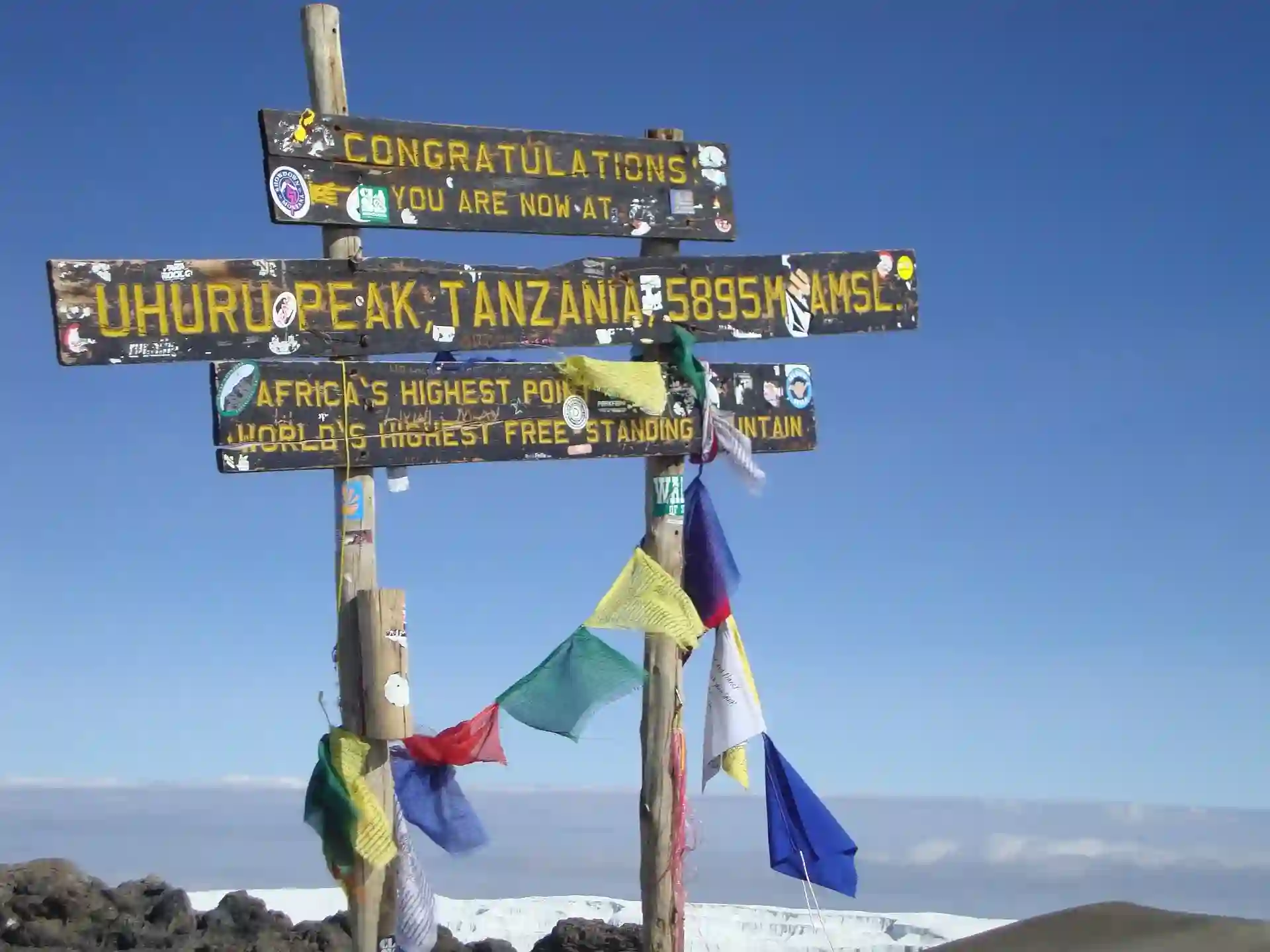


Best Time to Climb Mount Kilimanjaro
A month by month guide to weather routes and seasonal planning
Mount Kilimanjaro can be climbed throughout the year, but some months offer more dependable weather, drier trails and clearer views than others.
For most climbers, the best times to climb Mount Kilimanjaro are:
Late December to early March
Mid-June to late October
These periods generally coincide with Kilimanjaro's drier seasons. However, there is no single perfect month for every climber. Your ideal time will depend on whether you prioritise stable weather, warmer conditions, fewer people, snow-covered scenery, photography or combining your climb with a Tanzania safari.
Kilimanjaro is a high, isolated mountain that creates its own weather. Rain, snow, strong winds and sudden temperature changes are possible at any time of year, even during the driest months. Choosing a favourable season improves your chances of comfortable conditions, but it cannot guarantee them.
Best Time to Climb Kilimanjaro at a Glance
Best overall weather: January-February and July-September
Driest main climbing period: July-September
Warmer dry-season option: January-February
Best balance of weather and moderate crowds: January, February, June and October
Busiest months: July, August and September
Wettest and most challenging period: April-May
Quietest months: April, May and November
Best route during wetter periods: Rongai, because the northern side is generally drier Best chance of fresh summit snow: Around or shortly after wetter periods, although snowfall is never guaranteed Best time to combine Kilimanjaro with the calving season: January-March Best time to combine Kilimanjaro with the northern Serengeti migration: July-October
Understanding Kilimanjaro's Weather
Kilimanjaro lies close to the equator, so it does not experience four traditional seasons such as spring, summer, autumn and winter. Instead, its climate is influenced mainly by two drier periods and two wetter periods.
The broad seasonal pattern is:
Shorter dry period: Late December to early March
Long rains: Approximately March to May
Longer dry period: Approximately June to October
Short rains: Usually November into December
These dates are not fixed. Rain may begin early, finish late or arrive intermittently. Some rainy-season weeks can be surprisingly dry, while a supposedly dry month can still produce rain, snow or several days of cloud.
The European Space Agency's Kilimanjaro climate overview identifies two main rainy periods and explains that rainfall varies greatly with altitude and exposure to moisture- bearing winds.
Kilimanjaro's Weather Changes with Altitude
Choosing the right month is only part of the picture. During one Kilimanjaro climb, you travel from cultivated foothills through rainforest, heath, moorland and alpine desert before reaching the arctic summit zone.
Each zone can experience completely different conditions on the same day.
Rainforest Zone
The lower forest is normally the wettest part of the climb. Trails can be muddy even during a dry month, and afternoon showers are always possible.
Heath and Moorland
Conditions become cooler and more exposed. Cloud, mist, wind and sudden rain can arrive quickly, particularly in the afternoon.
Alpine Desert
Rainfall decreases significantly, but the landscape becomes colder, drier and windier. Strong sunshine during the day can be followed by freezing temperatures after sunset.
Arctic Summit Zone
The summit remains cold throughout the year. Snow, ice, high winds and temperatures well below freezing are possible in every season.
The season changes your probability of encountering certain conditions, but altitude and time of day usually have a greater effect on temperature than the calendar month.
Kilimanjaro Month-by-Month Guide
| Month | General conditions | Crowd level | Our assessment |
|---|---|---|---|
| January | Generally dry, relatively warm and often clear | Moderate to high | Excellent |
| February | Usually dry with good visibility and manageable lower-mountain temperatures | Moderate | Excellent |
| March | Often good early in the month; increasingly wet and unpredictable later | Low to moderate | Good early; mixed later |
| April | Long rains, muddy trails, frequent cloud and limited visibility | Very low | Challenging |
| May | Wet during much of the month, sometimes improving towards the end | Very low | Challenging to mixed |
| June | Conditions become drier; early June may remain transitional | Low to moderate | Good |
| July | Dry, clear and cold, particularly at higher camps | High | Excellent |
| August | Generally dry with good visibility; very popular | Very high | Excellent |
| September | Dry, often clear and slightly less cold than mid-year | High | Excellent |
| October | Frequently good early; rainfall risk increases later | Moderate | Good |
| November | Short rains, variable visibility and quieter trails | Very low | Challenging but possible |
| December | Variable early; conditions often improve later, with festive-season demand | Moderate to high | Mixed early; good later |
Climbing Kilimanjaro in January and February
January and February are among the best months to climb Kilimanjaro.
Conditions are generally drier than during November and the long rains, while lower elevations can feel warmer than during the middle of the year. Visibility is often good, and the mountain may carry fresh snow left by recent precipitation.
This period is popular but normally feels less crowded than July and August. It provides one of the best combinations of:
Relatively stable weather Good photography conditions Moderate trail traffic Warmer daytime conditions at lower elevations Opportunities to combine the climb with Tanzania's calving season January and February are particularly attractive for climbers who want favourable conditions but would prefer to avoid the busiest northern-hemisphere summer holiday period.
However, summit night remains extremely cold. The warmer weather around Moshi or at the park gate should never be used to judge conditions above 4,000 metres.
Climbing Kilimanjaro in March
Early March can still provide excellent climbing conditions, particularly when the drier January-February pattern continues.
As March progresses, the weather normally becomes more unsettled as the long rains approach. Climbers may encounter:
Heavier rainforest rainfall Muddy trails Increased cloud Lower visibility Snow or sleet at higher elevations Wet equipment that is more difficult to dry at camp March should therefore be treated as a transition month rather than a consistently dry month. If you must climb in March, the first half is generally the more favourable choice.
Climbing Kilimanjaro in April and May
April and May normally receive the greatest rainfall and are the most challenging months for a Kilimanjaro climb.
The mountain remains open, but climbers should expect wet forest trails, mud, cloud, limited views and a greater chance of rain or snow during several stages of the trek.
The main advantages are:
Very few other climbers Quiet camps Lush rainforest scenery The possibility of fresh snow higher on the mountain The disadvantages are more significant for most first-time climbers:
Persistent moisture and wet equipment Slippery or muddy trails Reduced visibility Colder conditions when rain and wind combine Greater difficulty keeping clothing and sleeping equipment dry More demanding daily camp operations for the mountain crew We generally do not recommend April or early May for a first Kilimanjaro climb unless the climber understands the conditions and is properly equipped for sustained wet weather.
If climbing during this period is unavoidable, Rongai may offer some advantage because it approaches from the generally drier northern side. Marangu provides hut accommodation, but the huts do not prevent rain on the trail and should not be interpreted as protection from mountain weather.
Climbing Kilimanjaro in June
June marks the transition into the longer dry season. Conditions normally improve as the month progresses, although early June can still receive lingering rainfall or cloud from the long rains.
June can be an excellent choice for climbers seeking:
Drier trails Clearer views
Fewer people than July and August
Better availability before the busiest season Fresh-looking landscapes following the rains Nights become cold, particularly at higher camps. Research based on mountain observations found reduced cloud formation during June and July, but also cooler lower-slope conditions.
Climbing Kilimanjaro in July and August
July and August form the heart of Kilimanjaro's busiest climbing season.
Rainfall is generally lower, trails are drier and visibility is often excellent. These months also coincide with school holidays and summer travel in Europe and North America, so popular routes and high camps can be busy.
Advantages include:
Generally dependable dry-season conditions Lower rainfall Good long-distance views Firm trails Excellent conditions for combining Kilimanjaro with a wildlife safari The main disadvantages are:
Greater numbers of climbers
Busy camps on Machame and Marangu
Cold nights and potentially severe summit-night wind chill Higher demand for flights, hotels, guides and equipment Climbers who want to travel in July or August but avoid the greatest concentration of people should consider the Northern Circuit, Rongai or a longer Lemosho itinerary. However, even quieter routes eventually join other trails near the summit.
Climbing Kilimanjaro in September
September is one of the best all-round months for Kilimanjaro.
It normally retains the dry conditions of July and August, while temperatures at lower elevations may begin to feel slightly less cold. Visibility can be excellent, and trail conditions are usually favourable.
September remains popular, so it should not be considered a quiet month. Climbers should book well in advance, especially when combining the trek with a Serengeti safari.
For many people, September offers one of the best combinations of dry weather, clear views and comfortable daytime trekking conditions.
Climbing Kilimanjaro in October
October is another transition month.
The first part of October often provides good trekking conditions, with dry trails and fewer climbers than August or September. The chance of rain normally increases later in the month as the short rains approach.
October can be an excellent choice for climbers who accept slightly less predictable conditions in exchange for:
Fewer people Good route availability Generally favourable early-month weather Easier combination with a northern Serengeti safari Waterproof clothing and pack protection remain essential because the timing of the short rains varies from year to year.
Climbing Kilimanjaro in November
November normally brings the short rains. These are often less persistent than the April-May rains, but they can still produce heavy showers, cloud, mud and reduced visibility.
Rain frequently develops later in the day, but this is not a rule. Climbers should be prepared for precipitation at any time.
November's advantages include quiet trails and uncrowded camps. It can suit experienced trekkers who:
Are comfortable walking in wet conditions Have reliable waterproof equipment Understand that mountain views may be limited Prioritise solitude over predictable weather Rongai is often the preferred route during November because the northern and north- eastern slopes tend to receive less moisture than the southern and south-western slopes.
Kilimanjaro climate research has observed reduced cloud cover, humidity and precipitation on the north-eastern side compared with the south-western side. Read the opposing-slope Kilimanjaro climate study.
This does not mean Rongai is rain-free. Summit weather can affect every route.
Climbing Kilimanjaro in December
Early December can remain unsettled as the short rains continue. Conditions often improve later in the month, making late December the beginning of another popular climbing window.
Late December is particularly attractive for Christmas and New Year summit climbs, but these dates can be busy and should be reserved well in advance.
Climbers considering December should understand the difference between:
Early December: Quieter but more weather uncertainty Late December: Often improving conditions but greater festive-season demand Fresh snow around the summit is possible after the short rains, creating dramatic scenery, although snow conditions cannot be guaranteed.
Which Kilimanjaro Route Is Best for Each Season
Seasonal weather should influence route choice, but the number of trekking days and the route's acclimatization profile remain more important than weather alone.
January to February
Most routes are suitable. Longer Lemosho, Northern Circuit, seven-day Machame and seven- day Rongai are strong choices.
March to May
Rongai generally receives less rainfall on its northern approach. Marangu provides hut accommodation but still involves walking through wet conditions. We normally avoid recommending steep, aggressive itineraries such as Umbwe to unacclimatized climbers during difficult weather.
June to October
All established routes are possible. Choose according to acclimatization, scenery and crowd preference rather than rainfall alone.
November
Rongai is normally the first route we consider because of its northern approach. Northern Circuit spends significant time on the quieter northern side, although its initial western approach can still be wet.
December
Route choice depends on the exact date and recent conditions. Later departures generally have a better chance of entering the improving late-December weather window.
Read our complete guide to choosing the best Kilimanjaro route.
Is a Full-Moon Kilimanjaro Climb Better
A full moon can illuminate the summit trail and create a memorable atmosphere. Some climbers enjoy seeing the glaciers and surrounding landscape under natural moonlight.
However, a full moon does not improve the weather, temperature or chances of successful acclimatization.
Full-moon departures are popular and can be more crowded. Climbers interested in astrophotography or a dark night sky may actually prefer a new-moon period.
Your route length, pace, health monitoring and guide team are more important than the phase of the moon.
When Is There Snow on Kilimanjaro
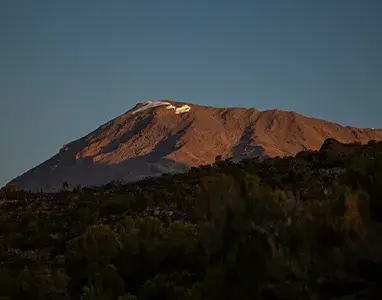
Snow can fall on Kilimanjaro at any time of year because the summit rises to 5,895 metres.
Fresh snowfall is more likely when moisture reaches the upper mountain, particularly around the rainy seasons. This means the wettest months can sometimes produce the most dramatic white summit, but also the most difficult trail conditions lower down.
A photograph showing heavy snow should never be interpreted as evidence of comfortable climbing weather.
Snow coverage changes quickly due to sunshine, wind and temperature. No operator can guarantee snow at Uhuru Peak on a particular date.
Does the Season Affect Altitude Sickness
Altitude sickness is primarily influenced by how quickly you ascend, your sleeping-altitude profile, previous altitude response and individual susceptibility, not by the month in which you climb.
Good weather may make trekking more comfortable, but it does not make a rapid itinerary safe. A fit climber on a short schedule can develop altitude sickness during perfect weather.
Cold, rain and exhaustion can make the overall climb harder and may complicate the assessment of headaches, fatigue or poor performance. Nevertheless, the most effective planning decision is to choose a longer itinerary with a responsible acclimatization profile.
The CDC's high-altitude guidance emphasises gradual ascent and explains that fitness does not provide immunity from altitude illness.
Read our detailed guide to Kilimanjaro acclimatization and altitude sickness.
What Is the Best Time to Combine Kilimanjaro with a Safari
January to March Calving Season
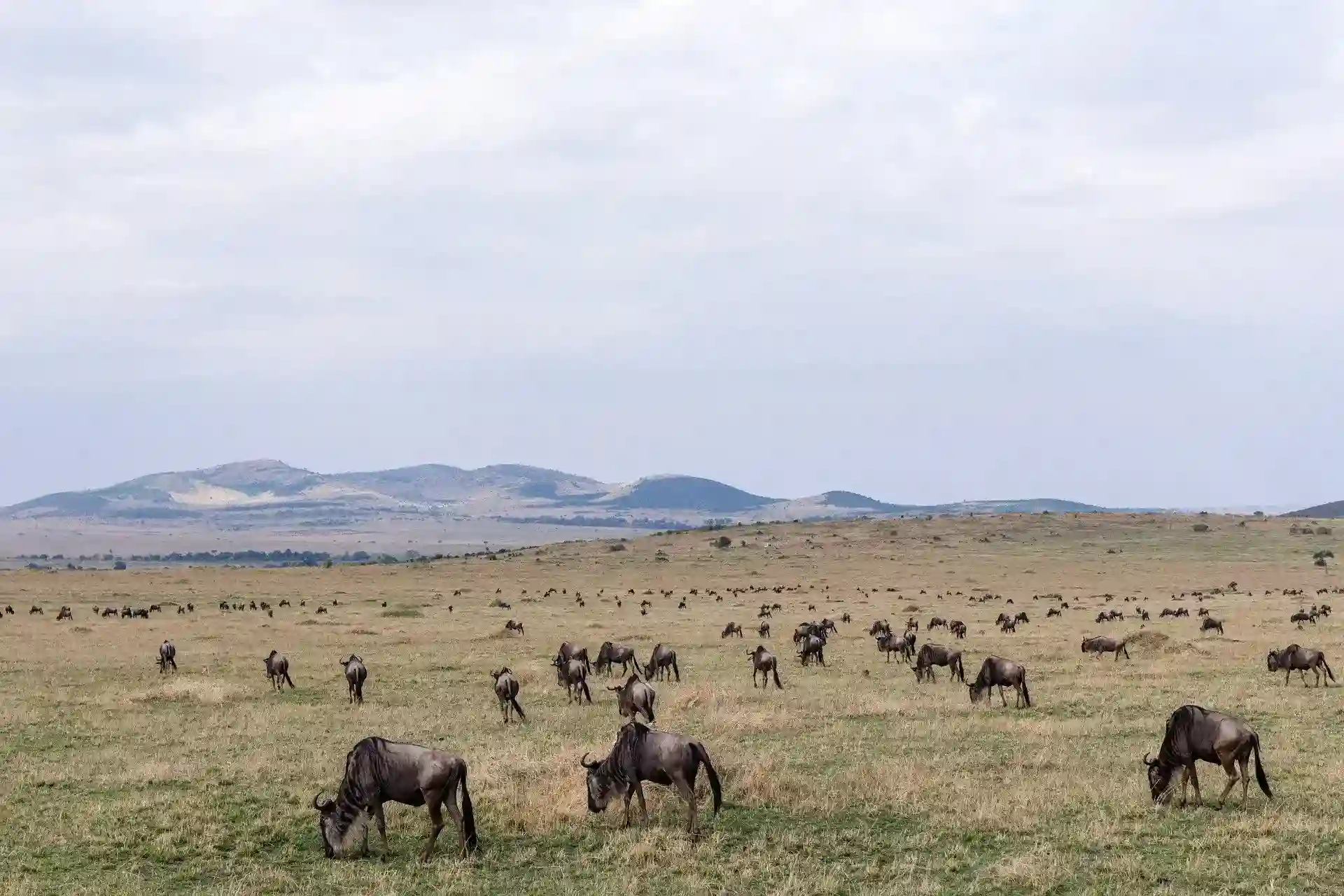
January through March is an excellent time to combine Kilimanjaro with the wildebeest calving season in Ndutu and the southern Serengeti.
Large concentrations of wildebeest gather on the short-grass plains, where many calves are born and predator activity can be intense.
June to October Dry Season Wildlife Viewing
The long dry season is excellent for visiting Tarangire, Ngorongoro and the Serengeti.
Wildlife frequently gathers around permanent water sources, and road conditions are generally favourable.
July to October Northern Serengeti
Climbers travelling between July and October may combine Kilimanjaro with the wildebeest migration in the northern Serengeti. River crossings are possible during this period, but their exact timing and location cannot be guaranteed.
How Far in Advance Should You Book
For July, August, September, Christmas, New Year and popular full-moon dates, we recommend planning several months in advance.
Early booking provides a better choice of:
Kilimanjaro routes and departure dates Experienced mountain guides
Hotels in Moshi or Arusha
International and domestic flights Safari accommodation after the climb Rental equipment Climbers travelling in quieter periods may have more flexibility, but the itinerary should still be confirmed early enough to arrange permits, crew, transfers and equipment properly.
Essential Equipment in Every Season
Even when climbing in the driest month, you must prepare for rain, wind, sun, snow and severe cold.
Your equipment should always include:
Waterproof jacket and trousers Waterproof pack cover or internal dry bags Insulating layers Warm summit jacket Thermal base layers Warm gloves and spare liners Warm hat and sun hat UV-protective sunglasses High-SPF sunscreen Suitable trekking boots Sleeping bag rated for sub-zero conditions Water-insulated hydration system for summit night Review our complete Kilimanjaro packing list and Kilimanjaro training guide before travelling.
Frequently Asked Questions
What Is the Single Best Month to Climb Kilimanjaro
There is no guaranteed best month, but February and September are two of the strongest choices. February can provide a good balance of dry conditions and moderate crowds, while September normally offers dependable dry-season weather but attracts more climbers.
What Are the Driest Months on Kilimanjaro
July, August and September generally fall within the most reliable dry period. Rain can still occur, especially in the forest zone.
What Are the Warmest Months for Climbing Kilimanjaro
January and February often feel warmer at lower elevations than June, July and August. The summit remains extremely cold throughout the year.
Can Kilimanjaro Be Climbed During the Rainy Season
Yes, but conditions are more challenging. Climbers should expect mud, wet equipment, cloud and reduced visibility. April and May are normally the least favourable months for first-time climbers.
Is Rongai Completely Dry During the Rainy Season
No. Rongai's northern approach is generally drier than the southern routes, but it can still receive rain, snow, cloud and strong winds.
Is Kilimanjaro Closed During April or May
Kilimanjaro is normally open throughout the year. Some operators reduce or suspend departures during the long rains because of the difficult conditions and limited demand.
Does Dry Weather Guarantee Reaching the Summit
No. Weather is only one factor. Acclimatization, itinerary length, pacing, health, preparation and guide decisions are more important to summit safety.
Should I Choose My Departure Around the Full Moon
Only if a moonlit summit is personally important to you. Full-moon climbs can be beautiful but busier. The moon phase does not improve weather or acclimatization.
Our Recommendation
For most first-time climbers, we recommend:
January to February for good weather, moderate crowds and a possible calving-season safari June for improving weather and fewer climbers than the peak months July to September for the most dependable dry-season conditions Early to mid-October for a balance of generally good weather and slightly lower crowds If your schedule is flexible, choose the season first and then select a route of at least seven trekking days with a responsible acclimatization profile.
Plan Your Kilimanjaro Climb with Local Experts
Tanzania Inside Safari is a locally owned and operated company based beneath the slopes of Mount Kilimanjaro. Our team understands how conditions vary between seasons, routes, elevations and different sides of the mountain.
When recommending a departure, we consider:
Your preferred travel dates Previous trekking and altitude experience Route and itinerary length Acclimatization requirements Crowd preferences Weather tolerance Private or group-climb preference Safari or Zanzibar plans after the mountain Tell us when you would like to travel, whether you are climbing solo, with a partner or with friends, and what matters most to you. We will recommend the most suitable route and departure period for your Kilimanjaro experience.
START PLANNING YOUR KILIMANJARO CLIMB
Weather disclaimer: Kilimanjaro is a high-altitude mountain with unpredictable conditions. Seasonal descriptions are based on typical climate patterns and cannot guarantee the weather experienced on a specific departure