• About Us

Gombe National Park

        Fully Registered African Local Tour Operator   

Follow us    

Gombe National Park
Gombe National Park: Whispers of the Wild on Lake Tanganyika

Gombe National Park: Whispers of the Wild on Lake Tanganyika

Introduction

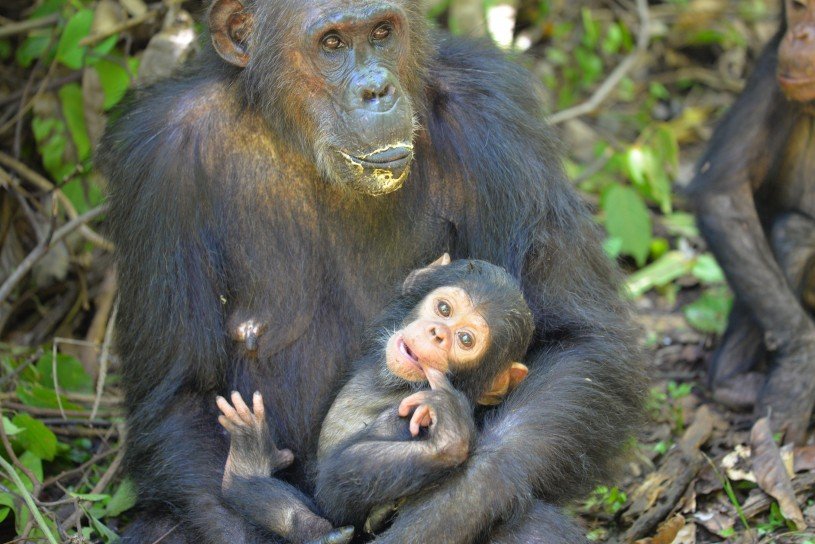
Gombe National Park, a slender strip of protected land embracing the eastern shores of Lake Tanganyika in western Tanzania, is a name synonymous with groundbreaking primatology and the enduring legacy of Dr. Jane Goodall. Though Tanzania's smallest national park, spanning a mere 35 square kilometers (13.5 sq mi), Gombe punches far above its weight in terms of ecological significance and global recognition. This verdant haven, characterized by steep valleys draped in lush forests that meet the crystal-clear waters of the world's second-deepest lake, offers a unique and intimate safari experience unlike any other. It's a place where the whispers of the wild resonate deeply, primarily through the calls and interactions of its most famous residents: the chimpanzees.

Location

Nestled within the Kigoma District of the Kigoma Region, Gombe National Park lies approximately 16 kilometers (10 miles) north of Kigoma town, the regional capital. Its western boundary is formed by the vast expanse of Lake Tanganyika, creating a stunning natural border. The park's coordinates are roughly 4°40′00″S 29°38′00″E. This remote location, accessible only by boat, adds to its secluded and pristine atmosphere, offering a true escape into nature.

Getting There

The unique location of Gombe National Park dictates its accessibility. There are no roads leading directly into the park; the only way to reach this primate sanctuary is by boat from Kigoma town.

  • By Air: The most common way to reach Kigoma is by domestic flight from either Julius Nyerere International Airport (DAR) in Dar es Salaam or Kilimanjaro International Airport (JRO) near Arusha. Several local airlines, such as Air Tanzania, offer scheduled flights to Kigoma Airport (TKQ). From the airport, you will need to arrange transport to the Kigoma port.
  • By Boat: From Kigoma port, you have a few options to reach Gombe:
    • Private Motorboat: This is the most convenient and fastest option, taking approximately 1-2 hours to reach the park headquarters. Your tour operator will often arrange this as part of your itinerary.
    • Public Lake Taxi: A more budget-friendly but significantly longer option, the public motorized wooden boats (often referred to as "lake taxis") take around 3-4 hours to reach Gombe, making several stops at lakeside villages along the way. Be aware that these may not operate daily and can be basic in terms of comfort.
    • Chartered Flights: Some high-end tour operators might offer chartered flights directly to Gombe, though this is less common and more expensive.

Best Time to Visit

While Gombe National Park is accessible year-round, the best time for chimpanzee trekking is generally during the dry season, which runs from June to October. During these months

  • The weather is typically drier and more pleasant, making trekking through the forest easier with less muddy trails.
  • Chimpanzees tend to stay on the lower slopes in search of food, increasing the chances of locating them more quickly.
  • There are fewer mosquitoes.

However, the wet season (November to May) also has its advantages

  • The vegetation is lush and vibrant.
  • There is often increased wildlife activity.
  • Birdwatching is particularly rewarding as migratory species arrive.
  • Chimpanzee trekking can still be done, but the trails might be more challenging, and the primates may range further in search of food higher up the mountains.

Attractions

Gombe National Park's allure lies in its intimate encounters with nature and its unique inhabitants. The primary attractions include:

  • Chimpanzee Trekking: This is the star attraction. Guided by experienced park rangers, visitors embark on treks into the forest to observe habituated chimpanzee communities in their natural environment. Witnessing their social interactions, tool use, and playful behavior is an unforgettable experience.
  • Primate Diversity: Beyond chimpanzees, Gombe is home to a variety of other fascinating primates, including:
    • Beachcomber Olive Baboons
    • Red Colobus Monkeys
    • Red-tailed Monkeys
    • Blue Monkeys
    • Vervet Monkeys
  • Birdwatching: Gombe is a haven for bird enthusiasts, boasting over 200 recorded bird species. The diverse habitats attract a wide range of forest birds, migratory species, and aquatic birds along the lake.
  • Lake Tanganyika: The park's western border offers opportunities for boat safaris, swimming in its clear waters, and simply enjoying the stunning scenic backdrop. Sunset boat cruises can be particularly rewarding.
  • Hiking and Nature Walks: Several trails wind through the park's forests, offering chances to explore the diverse flora and fauna and enjoy panoramic views of Lake Tanganyika. A hike to Jane's Peak offers a rewarding vista.
  • Gombe Stream Research Centre: While not directly an "attraction" for interaction, visiting the historical site of Jane Goodall's initial research camp and the ongoing research center provides context and understanding of the park's significance.
  • Waterfalls: The Kakombe Waterfall is a scenic spot accessible via a hike through the forest.
  • Sport Fishing: With a permit, visitors can enjoy sport fishing in designated areas of Lake Tanganyika (catch and release often applies).

What Makes it Famous

Gombe National Park's global fame rests on several key pillars

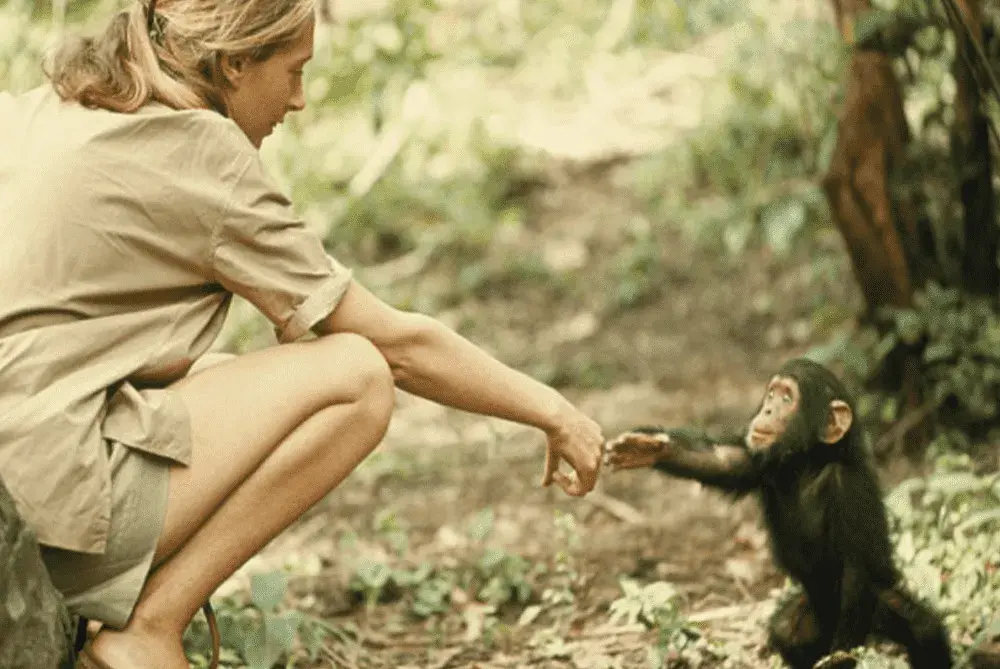
  • Jane Goodall's Groundbreaking Research: Gombe is globally recognized as the site where Dr. Jane Goodall began her pioneering behavioral research on wild chimpanzees in 1960. Her decades-long study revolutionized our understanding of these primates. The ongoing research at the Gombe Stream Research Centre is the longest continuous study of any wild animal population in their natural habitat.
  • Intimate Chimpanzee Encounters: Unlike larger parks, Gombe offers the unique experience of tracking chimpanzees on foot and observing them up close.
  • Primate Diversity Hotspot: Despite its small size, Gombe boasts an exceptionally high concentration and diversity of primate species.
  • Untouched Wilderness: Its inaccessibility by road has helped preserve the park's pristine natural beauty.
  • Inspiring Conservation Story: Gombe stands as a testament to the importance of long-term research and conservation efforts.

In conclusion, Gombe National Park is more than just a destination; it's a living testament to the intricate connections between humans and the natural world. It's a place where you can witness the intelligence and social complexity of our closest relatives, immerse yourself in the beauty of the African rainforest, and feel the profound impact of groundbreaking scientific discovery. A visit to Gombe is an intimate and deeply rewarding experience that leaves a lasting impression on all who venture into its wild embrace.
Illustrative Itinerary: Serengeti National Park Safari

Safari Frequently Asked Questions

Tanzania has the reputation of the best country for wildlife safaris. Only in Tanzania will you experience the unparalleled National Parks.
Worry out. We will take care of everything: from picking you up at the airport to saying a final goodbye. However, you probably have many questions about the preparations for this fantastic trip.
Below we have gathered the answers to the most popular questions frequently asked by our tourists. However, if something important is missing,contact us. We are always here to help you.

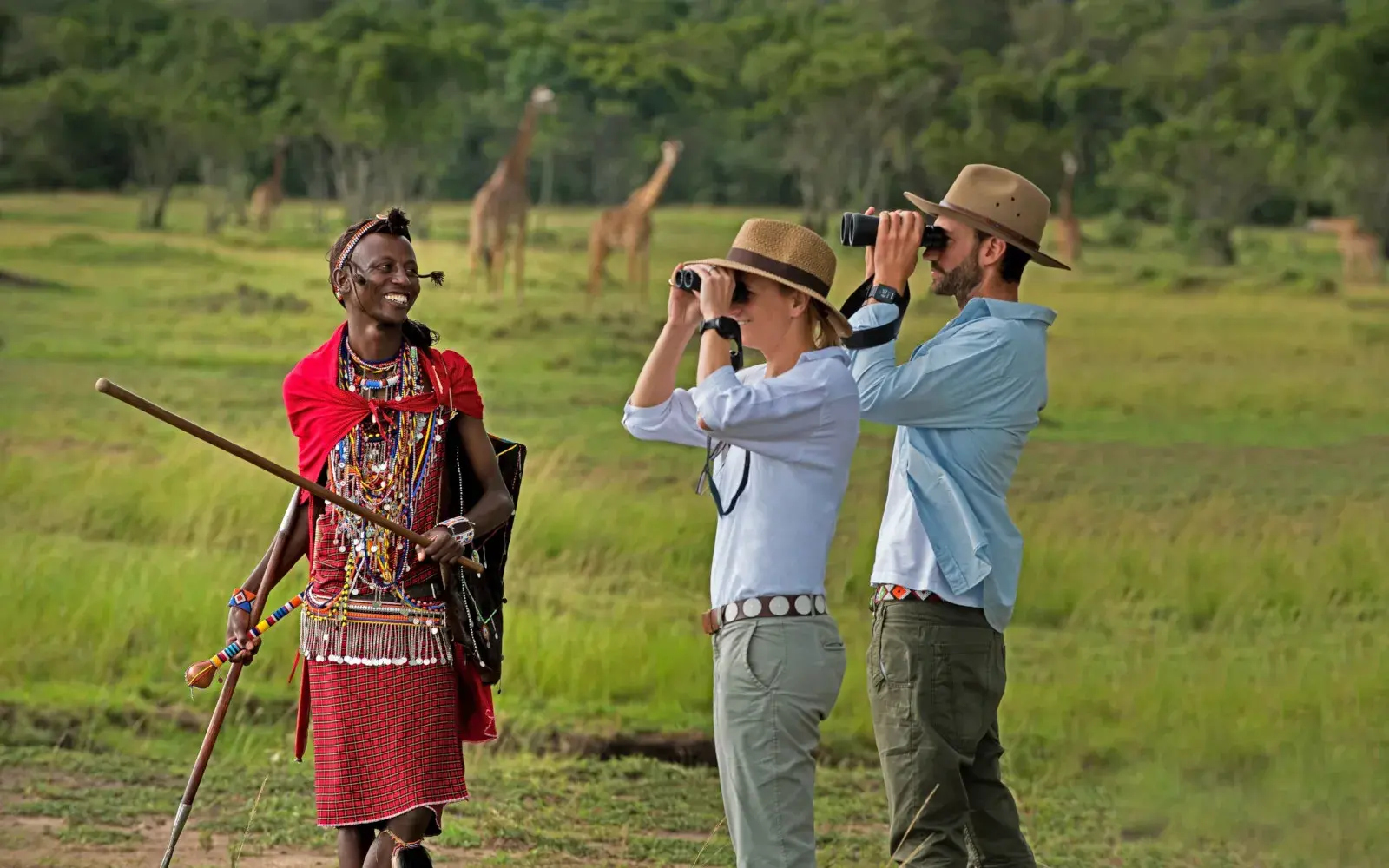
A Safari (“trip” in Swahili) is generally a tour of the wilds of the National Parks, usually using customized 4x4 vehicles. Our safaris start in either Moshi or Arusha in the North of Tanzania with a 2-3 hour drive to one of the National Parks. This is followed by a game drive in the Park, where you can see the multitudes of wild animals of this part of Africa in their natural habitat. The most popular and well-known of the Parks are Serengeti, Ngorongoro Crater, Tarangire, Arusha and Lake Manyara. There also are a number of less-known, but no less fascinating Parks, such as: Nyerere ,mikumi,gombe,mkomazi,saadani, etc. Tanzania safaris in the latter parks are organized individually. Game drives generally end around 5 in the evening. The group then drives to the lodge booked for that night.
Lodges are small hotels usually situated in or near a National Park. Lodges offer greater privacy and a sense of exclusivity by having detached bungalows or tents set amidst the African nature. The exterior of many of the lodges mirror the traditional local architecture while providing great comfort.
We recommend comfortable light clothing for the day and something warmer for the evenings, which can be chilly in the northern highlands. Comfortable walking shoes are a must for those planning on walking in the parks (must be booked in advance). You will further need a hat, sunglasses and sunscreen.
Upon planning your safari with us, you will receive a detailed list of what to pack for your Tanzania safari.
There are no age restrictions for Park visitors. That said, one should be prepared to spend a considerable amount of time in a vehicle. Game drives usually take most of the day, beginning in the morning and ending just before the Park gates close at 6 PM, which could tax younger travelers. Therefore, we do not recommend taking children younger than 2 on safaris. On the other hand, game drives can be tailored to suit any client’s personal preferences in terms of duration. There also are picnic spots, which give one an opportunity to stretch and enjoy the tranquility of the African bush.
The joint Safari Bookings and National Geographic ratings for 2015 placed Tanzania first in the list of countries for African Safaris. There are two factors that make Tanzania exceptional: hunting is strictly prohibited in all the National Parks, which makes for one of the highest densities of wildlife on the continent; and higher Park fees keep the number of visitors’ relatively low, making for a more exclusive experience. Moreover, unlike other countries, where one often finds small family cars on the road, all safaris in Tanzania are conducted using off-road vehicles, which enhances the sense of being in the wild.
The duration of any safari depends solely upon the client’s wishes. One can have a day’s game drive in one of the closer Parks, or opt for an extensive tour of several Parks, which could take 2 weeks or more. A day’s game drive usually lasts between 4 and 8 hours, with the rest of the day being spent at the lodge, all of which provide comfortable accommodation with Wi-Fi (although one should not expect to always have a fast connection), good food, and – in most cases – a swimming pool.
We recommend leaving the lodge as early as possible (6:30-7AM). There are a number of reasons for this: mornings tend to be cooler, which is more comfortable for you and brings you to the bush when the animals are most active; you have a chance of getting to the Park ahead of other tourists; all the park fees in Tanzania are paid by the day, regardless of the time spent within the Park, with 6PM being closing time, so getting there early gives you more time to enjoy the wilds of Africa before you have to return to your lodge. That said, the above is but a recommendation. Our guides’ foremost concern is client satisfaction, and they will adjust all the schedules according to your wishes.
Tanzania Inside and Safari fleet of safari vehicles consists of customized 2016-2020 Toyota Land Cruiser 4x4 vehicles. All the vehicles have ergonomic seats, fridges for cold drinks and snacks, electrical outlets for device charging, binoculars and first-aid kits. Pop-up roofs, which allow you to stand up and observe and take photos in greater comfort, are also part of the package
All our safari packages are sold on a full-board basis. Breakfasts are taken at the lodge, lunches come in the form of lunch boxes, which you can enjoy at one of the picnic spots within the Park, and dinners are once again taken at the lodge. A supply of water and soft drinks is always available in the car fridge, as well as tea, coffee and snacks (all included in the price of the tour).
The Parks of the North of Tanzania lie relatively close to each other, making for 2 to 3-hour drives in-between.
Tanzania National Parks regulations strictly prohibit leaving the vehicle within the Parks, both for the safety of the visitor and that of the fragile local ecosystem. However, this does not mean that you should expect to be cooped up in the car for a whole day. All the Parks are equipped with rest/picnic spots, where you can take a stroll and enjoy lunch in the shade.
This depends solely on the type of the tour that you choose to book. Joined safaris are cheaper, as some of the costs are spread out between the members of the group. This also means that you will be spending time with people you have not met before the safari. If you opt for an exclusive tour, the only person other than those you bring with you – be it family or friends – who will be in the vehicle with you is your English-speaking safari driver/guide.
Your driver during any safari with Tanzania Inside and Safari is responsible for your safety and comfort for the duration of the tour. All our drivers are also professional wilderness guides, who will gladly share their knowledge of the African bush and its flora and fauna
According to National Park regulations, all photo and video recording is allowed without the use of specialized equipment. This means that you may use any photo and video cameras. Permits must be obtained for any recording that may later be used commercially. This does not apply to images and videos that may later be used in social media. Drones can only be used with permits, which must be obtained in advance. The procedure for this is rather involved and the permits only issued for projects of high social value. Make sure to inform your Tour Manager of the need for such a permit well in advance in order to give us sufficient time for formalities.
Bringing children on safari is not only safe, but also highly educational and lots of fun for them. Seeing wild animals in their natural habitat, as opposed to a Zoo, is an experience that they shall carry with them through the rest of their lives. Just keep in mind that spending hours in a safari vehicle may be hard on children younger than 2.
One of the most memorable adventures to undertake while on safari is a to combine the cultural activities in local areas around the parks because local people have more to offer than the wildlife in the area as they have witnessed the legends that you might never hear to anyone else better than them. There are some cultural activities which can spice your safari and leave you with the unforgettable lifetime memories. See some of our culture experiences in Tanzania on our cultural tours
Airstrips are available at or near all of Tanzania’s National Parks. Flying between the Parks – especially when going to one or more of the southern Parks – saves a lot of time, Contact our Tour Managers for further details
All hotels and lodges have Wi-Fi and Internet access. However, one should get used to the idea that the speed may be slower.
Tipping is expected in Tanzania. We recommend $30-50 per every day of the safari per car, provided you are satisfied with the service.
Our standard rates (found on our website) do not include the cost of international flights. Our clients include travelers from all over the world, which makes establishing a universal rate including international air travel impossible. However, our Manager organizing your individual tour can always help with choosing and booking your air tickets.
Yes, pre-payment is expected in order to facilitate hotel bookings and expedition logistics. Classic tours incur a 30% advance payment, while Luxury and Premium require 50%. Flights within Tanzania as well as accommodation and excursions in Zanzibar require advance payments in full.
Generally, advance payments are made no later than 60 days before the commencement of the tour. However, if you intend to visit Tanzania in high season (around Christmas holidays and July through August) hotels are best booked well in advance, as the demand for quality tourist accommodation in Tanzania far outstrips the supply. Therefore, your Tour Manager may request that payments for tours falling on those periods be made 4-6 months in advance, especially if a photographic safari is part of the package. When booking larger corporate groups (upwards of 20 pax), payments should be made 6-8 months in advance. This ensures our being able to book your accommodation in quality hotels where the number of rooms available is limited, especially in the run-up to the tourist season.
Yes, full advance payments can be made to our Tanzanian bank accounts. Please, keep in mind that transfers generally take 3-5 days. All transfer commissions and charges are payable by the client.
Your tour price does not include the following:
  • Visa fees;
  • Alcohol at hotels, unless specifically stated under all-inclusive rates;
  • Tips for climb crews and safari driver/guides. Crew tips for a Kilimanjaro climb average USD 250 per client. USD 30-50 per vehicle per day are the accepted norm.
  • Our cancellation policy is as follows:
  • Cancellations made no later than 30 days before the starting date- refund in full, minus cost of hotel booking cancellation and bank charges.
  • Cancellations made no later than 15 days before the starting date- 75% refund, less cost of hotel booking cancellation and bank charges.
  • Cancellation no later than 7 days before the starting date- 50% refund, minus cost of hotel cancellation and bank charges.
  • Cancellation within 7 days of the starting date- 25% refund, less cost of hotel booking cancellation and bank charges.
  • Citizens of the EU and USA can acquire entry visas at international airports in Tanzania as well as other border crossings. It is also possible to apply for the visa online through the Tanzania immigration website. Visa costs: generally USD 50 (USD 100 for citizens of the USA)
    There are 3 International Airports in Tanzania: Zanzibar, Dar es Salaam and Kilimanjaro. Your Tour Manager will recommend the most convenient of these depending on your itinerary
    If your comfort during what could be a rather lengthy flight with either tight connections or long layovers outweighs cost considerations, then we recommend that you consult the ratings in the World’s Top 100 Airlines 2017. Otherwise, pick what seems to be the most convenient of the airlines in your price range. Turkish, Emirates, Fly Dubai, KLM, Ethiopian are among the airlines with regular flights to Tanzania.
    One of our drivers will meet you with a sign bearing your/your group’s name at your airport of arrival regardless of the time of day.
    If you are booking a tailor-made tour, then you may choose any hotel and your Tour Manager will calculate the cost difference for you.
    All tourist hotels adapt their menus to suit European tastes, while also including some local dishes. You should have no problems when it comes to food so long as you make your dietary preferences (vegetarian, allergic, etc.) clear to your Tour Manager when booking.
    The official currency of Tanzania is the Tanzanian Shilling; the Current rate of exchange is about TShs 2,300/US$1. You can also make cash payments in US$. Just keep in mind that notes issued before 2003 may not be accepted or accepted at a lower rate of exchange. You may also change Euros and some other major currencies, though preference is given to US$ and the rate of exchange for other currencies may not be favorable.
    In short - Tanzania is absolutely safe for tourists. Tourism provides a large part of the country’s foreign income and the local authorities take matters of security very seriously. Moreover, Tanzania is one of the most politically stable countries in the region and Tanzanians are very friendly as a people.
    This said, some criminality does exist, just as it does everywhere else. We, therefore, recommend that you exercise common sense and follow the rules below:
  • Avoid the dangerous parts of any town- these are mentioned in most books and your guide will be happy to point them out.
  • Do not leave your belongings unattended.
  • When planning to take photos in towns, it is best to bring along a guide. This is not so much in the interests of safety, but, rather to facilitate communication with the locals, who are – for cultural reasons – not always happy about being photographed and often do not speak English.
  • After dark it is best to avoid walking. Instead, use taxis for all your travel within town. These are best organized by your tour operator or hotel reception.
  • There have been no recorded cases of yellow fever in the country’s tourist regions (most of the country actually) in the last twenty years. However, when planning to visit the less-visited parts, it may be recommended that you get yellow fever vaccination two weeks before your planned travel date. This vaccination is effective for ten years. You may read more about Tanzania vaccination requirements in our article.
    The problem of malaria in Tanzania is greatly exaggerated. Not all species of mosquito carry malaria to begin with, and contracting malaria is unlikely in most parts of the country. However, if planning on visiting more remote parts of the country, we would recommend that you read our article about malaria prevention
    We highly recommend that you have your travel insurance regardless of what foreign country you may be visiting. If you are planning a Kilimanjaro climb, make sure that climbing emergencies are covered in your policy at height no less than 6,000 meters. If necessary your Tour Manager will assist with purchasing such insurance
    Yes, all the hotels our company offers provide safe water. Taking showers and brushing your teeth is never a problem and the water is actually potable. However, we still recommend that you only drink bottled water, which is always available at hotels and shops.

    Want to know more about Tanzania adventures?
    Contact our team! We have been to all of the top destinations in this land. Our Kilimanjaro-based adventure consultants will gladly share our travel tips and help you plan the trip.
    Open chat now Make a call send an email whatsapps


    Let's talk about your

    Trip to Africa!

    All our custom itineraries are inspired by our travel experts and positive feedback from past travelers. We're sharing them so you can get a taste of the experience. However, we're flexible and can tailor-make an itinerary just for you. Let us know your preferences (parks, accommodation, timing, etc.), and our safari experts will create a personalized proposal. USEFUL ARTICLES PLAN MY TRIP

    Let's talk about your

    Trip to Africa!

    USEFUL ARTICLES


      PLAN MY TRIP