


Malaria Prevention During a Safari in Tanzania
A practical guide to malaria-risk areas, preventive medication, bite protection and urgent diagnosis.
Malaria is a preventable and treatable disease, but it can become life-threatening when diagnosis or treatment is delayed. Travellers should take the risk seriously without allowing it to discourage them from experiencing Tanzania.
The most effective protection combines three measures:
No antimalarial tablet or mosquito repellent provides complete protection on its own. A personalised consultation with a travel-medicine professional should therefore form part of your safari preparation.
1. Malaria Prevention at a Glance
- Malaria transmission occurs in Tanzanian areas below approximately 1,800 metres, including Zanzibar.
- Most safari itineraries include at least one malaria-risk area.
- The principal malaria parasite in Tanzania is Plasmodium falciparum, which can cause severe disease.
- Malaria-carrying Anopheles mosquitoes bite mainly between dusk and dawn.
- Use effective repellent, protective clothing and an insecticide-treated mosquito net when required.
- Consult a travel clinic about antimalarial medication before departure.
- Take every dose according to the prescribed schedule, including doses required after leaving Tanzania.
- Fever during your safari or within one year after returning home requires urgent medical assessment.
- Taking preventive medication does not completely exclude malaria as a possible cause of fever.
- Yellow fever vaccination does not protect against malaria.
2. Is There Malaria in Tanzania?
Yes. Malaria is present in Tanzania, although the level of risk varies according to elevation, location, season, accommodation, itinerary and individual behaviour.
Current CDC guidance for Tanzania, including Zanzibar identifies malaria transmission in all areas below approximately 1,800 metres (5,900 feet). The CDC lists Plasmodium falciparum as the principal malaria species and reports chloroquine resistance.
UK travel-health guidance similarly classifies areas below 1,800 metres, including Zanzibar, as malaria-risk areas where appropriate preventive medication should be considered. Read the Tanzania guidance from TravelHealthPro.
This elevation threshold should be used for travel-health planning rather than as a guarantee that a mosquito will or will not be present at one exact point.
3. Malaria Risk on Common Tanzania Itineraries
Northern Tanzania Safaris
Most northern-circuit itineraries include destinations or transit areas below 1,800 metres. These may include parts of the Serengeti, Tarangire, Lake Manyara, Moshi, Arusha and the roads connecting the parks.
Cool evenings, dry grasslands or high-quality accommodation do not make an itinerary malaria-free.
Ngorongoro Highlands
Some accommodation on the Ngorongoro rim is above 1,800 metres, where official guidance classifies malaria transmission as absent. However, most guests also visit lower-elevation destinations before or after Ngorongoro.
Spending one or two nights at a higher lodge is therefore not normally a reason to ignore malaria prevention for the overall safari.
Zanzibar
Zanzibar is included within Tanzania's malaria-risk guidance. Beach breezes, air-conditioned rooms and coastal accommodation can reduce mosquito exposure, but they do not eliminate it.
Continue your prescribed antimalarial medication and mosquito precautions during a Zanzibar extension.
Southern and Western Tanzania
Safaris to Nyerere, Mikumi, Ruaha, Katavi, Gombe and Mahale may include warm, low-elevation and remote areas. Access to advanced medical facilities may take longer than it would in Arusha, Moshi or Dar es Salaam.
Travellers visiting remote parks should be especially careful about carrying sufficient medication, using repellent and arranging suitable travel insurance.
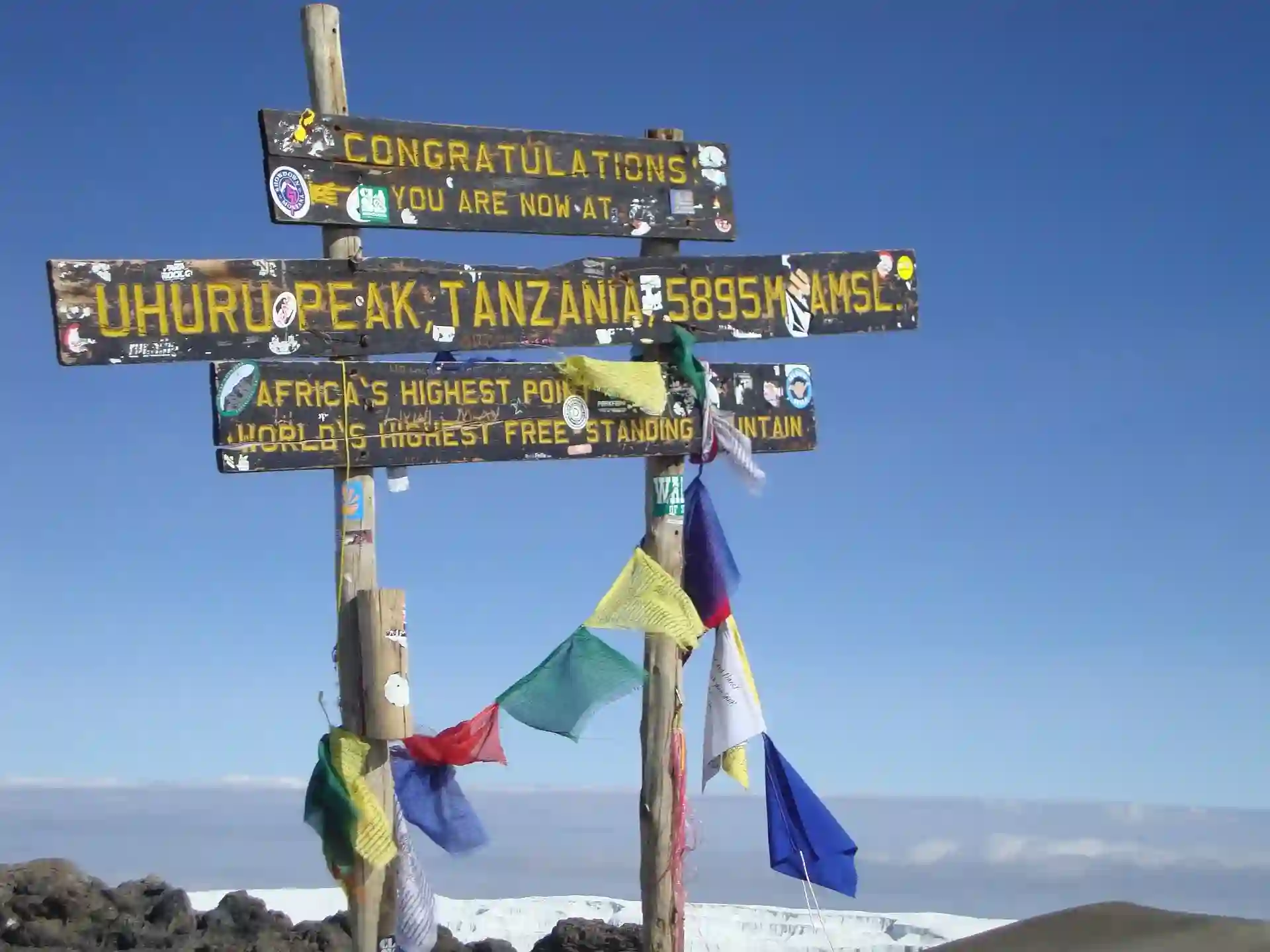
Mount Kilimanjaro
Much of the Kilimanjaro trek takes place above the elevation associated with malaria transmission.
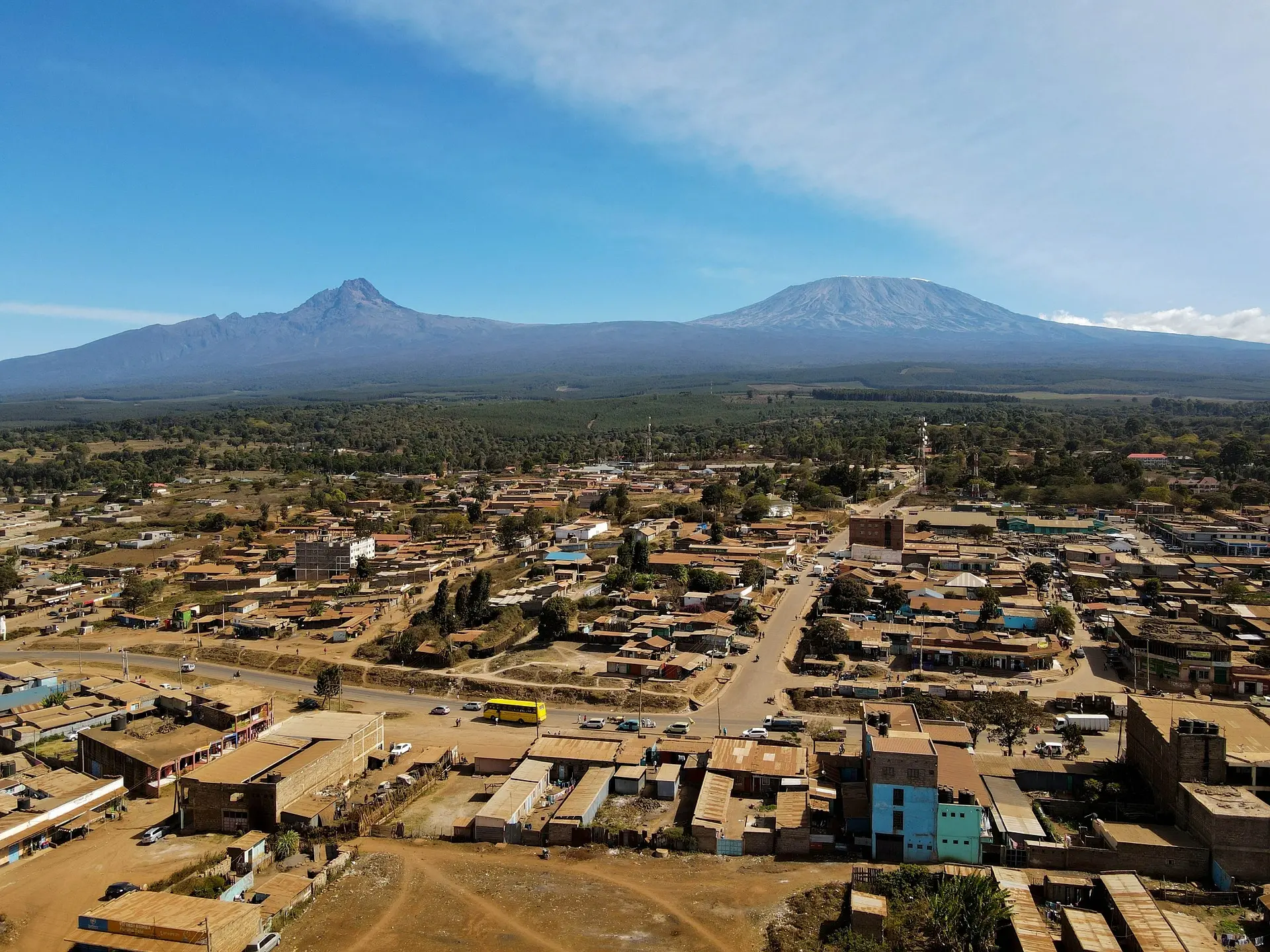
However, climbers normally spend time at lower elevations around Kilimanjaro International Airport, Moshi, Arusha, the mountain gates and the first sections of some routes.
Many climbers also combine Kilimanjaro with a safari or Zanzibar. A travel-health professional should assess the complete itinerary rather than considering only the highest part of the mountain.
4. How Malaria Is Transmitted
Malaria is caused by Plasmodium parasites and is normally transmitted through the bite of an infected female Anopheles mosquito.
The mosquito first becomes infected after feeding on a person carrying malaria parasites. Following development inside the mosquito, the parasites can be passed to another person through a later bite.
Malaria is not spread through ordinary contact such as shaking hands, sharing a meal or sitting beside an infected person.
African Anopheles mosquitoes generally feed between dusk and dawn. Bite protection is therefore particularly important during:
- Sunset drinks and sundowners
- Outdoor dinners
- Evenings around the campfire
- Night-time walks between your room and dining area
- Early-morning departures before sunrise
- Nights in tented camps
- Open-window sleeping Travellers should also prevent bites during the daytime because other mosquito-borne diseases, including dengue and chikungunya, are transmitted mainly by day-biting mosquitoes.
5. Why Travellers Can Be Particularly Vulnerable
People living in malaria-endemic regions may develop partial immunity after repeated exposure. This immunity is incomplete and can decline when someone lives away from a malaria area.
Local residents still contract malaria, and the disease remains particularly dangerous for young children, pregnant women and people with certain medical conditions.
Most international safari visitors have little or no malaria immunity. Travellers who were born in malaria-endemic countries should not assume that childhood exposure still protects them after living abroad.
The World Health Organization identifies travellers, pregnant women, infants, children under five and people with HIV or AIDS among those at increased risk of severe disease.
6. The ABCD Approach to Malaria Prevention
A practical way to remember malaria prevention is the ABCD method:
A: Awareness of the Risk
Understand that malaria occurs in Tanzania and that the risk depends on your itinerary, elevation, travel season, activities, accommodation and length of stay.
B: Bite Prevention
Use repellent, appropriate clothing, treated equipment and protected sleeping accommodation.
C: Chemoprophylaxis
Take suitable prescription antimalarial medication when recommended by a qualified healthcare professional.
D: Diagnosis
Seek urgent medical assessment if you develop fever or another illness that could be malaria, even if you took preventive medication.
7. Preventing Mosquito Bites on Safari
Use an Effective Insect Repellent
Apply an insect repellent containing an active ingredient with proven effectiveness, such as:
- DEET
- Picaridin, also called icaridin
- IR3535
- Oil of lemon eucalyptus or PMD
- 2-undecanone Choose a product that provides sufficient protection for the length of your evening activities and follow its label carefully.
The CDC advises that properly registered repellents can be used as directed by most travellers, including pregnant and breastfeeding women. If you are also using sunscreen, apply the sunscreen first and insect repellent afterwards. Read the CDC mosquito-bite prevention guidance.
Do not apply repellent:
- Under clothing
- Directly around the eyes or mouth
- To cuts, wounds or irritated skin
- To a child's hands
- More frequently than directed on the label Adults should spray repellent onto their hands before carefully applying it to a child's face.
Products containing oil of lemon eucalyptus or PMD should not be used on children younger than three years.
Wear Protective Clothing
During the evening and early morning, wear:
- Loose-fitting long trousers
- A long-sleeved shirt
- Socks covering the ankles
- Closed shoes where practical Mosquitoes can sometimes bite through very thin or tight-fitting fabric. Loose clothing provides better protection.
Light-coloured clothing can also make mosquitoes easier to see.
Treat Clothing and Equipment With Permethrin
Clothing, socks, boots, mosquito nets and some travel equipment can be treated with 0.5% permethrin or purchased pre-treated.
Permethrin must not be applied directly to the skin. Follow the product instructions regarding application, drying, washing and retreatment.
Sleep Under a Mosquito Net
Use a properly fitted insecticide-treated mosquito net when your room or tent is not fully protected by screens or air conditioning.
Before sleeping:
- Check that the net has no holes.
- Ensure the net reaches the floor or is securely tucked beneath the mattress.
- Do not allow your skin to rest against the net.
- Make sure no mosquitoes are trapped inside.
- Keep the net closed after entering.
Even when a lodge normally provides mosquito nets, carrying a compact travel net may be sensible for highly remote or budget accommodation.
Use Screened or Air-Conditioned Accommodation
Rooms with well-maintained door and window screens reduce mosquito entry. Air conditioning can also reduce exposure when windows and doors remain closed.
However, air conditioning does not guarantee that mosquitoes cannot enter. Use repellent and check your room, particularly if doors have been left open.
Protect Yourself During Outdoor Dining
Tented camps and lodges often serve dinner outside or in open-sided dining areas. Apply repellent before leaving your room and wear long sleeves and trousers.
Do not wait until mosquitoes become noticeable. Malaria-carrying mosquitoes can bite without being seen or heard.
8. Should Safari Travellers Take Antimalarial Tablets?
Most travellers following standard Tanzania safari or Zanzibar itineraries will spend time below 1,800 metres. Current official guidance therefore recommends discussing malaria chemoprophylaxis with a qualified doctor, pharmacist or travel-medicine professional.
The correct medication depends on:
- Your complete itinerary
- Your age and body weight
- Pregnancy or breastfeeding
- Kidney and liver health
- Allergies
- Current medication
- Previous reactions to antimalarials
- Mental-health history
- Seizure history
- Trip duration
- How soon you are travelling Antimalarial medicines are prescription drugs. Tanzania Inside Safari cannot select or prescribe one for you.
9. Antimalarial Options for Tanzania
The CDC lists atovaquone-proguanil, doxycycline, mefloquine and tafenoquine as possible options for Tanzania. Availability and national prescribing recommendations vary between countries.
| Medication | General schedule | Important considerations |
|---|---|---|
| Atovaquone-proguanil | Usually started 1-2 days before entering the malaria area, taken daily during exposure and continued for 7 days afterwards | Often well tolerated and useful for shorter trips. Must be taken with food or a milky drink. It is not normally recommended during pregnancy, for very small infants or for people with severe kidney impairment. |
| Doxycycline | Usually started 1-2 days before entering the malaria area, taken daily during exposure and continued for 4 weeks afterwards | Can increase sensitivity to sunlight and may irritate the oesophagus or stomach. Take it with sufficient water and do not lie down immediately afterwards. It is not suitable during pregnancy or for children under eight years. |
| Mefloquine | Usually started at least 2 weeks before entering the malaria area, taken weekly during exposure and continued for 4 weeks afterwards | Can suit longer trips and may be considered in some pregnancies. It is unsuitable for people with certain psychiatric conditions, seizure disorders or some heart-conduction problems. |
| Tafenoquine | A specialist option involving pre-travel loading doses, weekly doses during exposure and a final post-travel dose | Only for adults. Quantitative G6PD testing is compulsory before prescription. It is unsuitable during pregnancy and for certain breastfeeding or psychiatric situations. Availability differs by country. |
These schedules are general summaries, not personal prescribing instructions. Follow the exact directions supplied by your healthcare professional.
According to the CDC Yellow Book malaria guidance, Tanzania has chloroquine-resistant malaria.
Chloroquine should therefore not be selected for Tanzania simply because it is available or has been used for another destination.
10. When Should You Visit a Travel Clinic?
Arrange a travel-health consultation ideally four to six weeks before departure. This provides time to:
- Review the complete itinerary
- Select an appropriate antimalarial
- Begin medication that must be started early
- Identify side effects before travelling
- Review vaccinations
- Check interactions with existing medication
- Discuss pregnancy, breastfeeding or childhood dosing
- Prepare for remote destinations If you are travelling at short notice, still seek advice. Some antimalarial options can be started one or two days before entering a risk area.
11. How to Take Antimalarial Medication Correctly
Preventive medication is most effective when taken exactly as prescribed.
You should:
- Begin on the correct date.
- Take each dose at the recommended time.
- Follow instructions concerning food and water.
- Use phone reminders if necessary.
- Carry enough medicine for the entire trip and post-travel period.
- Pack extra doses in case of travel delays.
- Keep medication in its original labelled packaging.
- Carry essential medication in your hand luggage.
- Complete the required course after leaving the malaria area.
Do not stop taking medication simply because you have left a particular park, mosquitoes are not visible or the weather has become cooler.
12. What If You Miss a Dose or Vomit?
Instructions differ between medications. Read the information provided with your prescription before travelling.
If you miss a dose or vomit soon after taking one:
- Follow the product instructions.
- Contact your prescribing clinic or pharmacist when possible.
- Do not automatically double the next dose.
- Continue mosquito-bite precautions carefully.
- Seek medical advice if vomiting continues or prevents you from taking the medication.
Persistent vomiting during a safari also requires assessment because it may indicate malaria, another infection, dehydration or a medication reaction.
13. Possible Side Effects
All medications can cause side effects, but many travellers complete malaria prophylaxis without serious problems.
Commonly reported effects may include:
- Nausea or stomach discomfort
- Headache
- Dizziness
- Vivid dreams
- Increased sun sensitivity
- Changes in bowel habits The possible effects depend on the medication.
Do not reject all malaria prevention because one option is unsuitable. A healthcare professional may be able to recommend an alternative.
Seek urgent medical advice for serious symptoms such as difficulty breathing, facial swelling, severe rash, seizures, hallucinations or major changes in behaviour.
14. Can You Buy Antimalarial Medication in Tanzania?
Antimalarial products are available in Tanzania, but travellers should obtain their preventive medicine from a reliable healthcare provider before departure whenever possible.
Buying medication after arrival creates several problems:
- The correct option may not be immediately available.
- You may need to start the medicine before entering Tanzania.
- Product quality cannot be guaranteed from an unregulated seller.
- You may not receive proper screening for contraindications or interactions.
- Instructions may not cover the required post-travel period.
The CDC advises travellers to bring sufficient prescribed medication from home because medicines purchased abroad may sometimes be counterfeit, contaminated or substandard.
15. Does Malaria Medication Provide Complete Protection?
No antimalarial is 100% effective. You must continue preventing mosquito bites while taking tablets.
Preventive medicine may also delay the appearance of symptoms. A history of taking antimalarials must never be used to dismiss malaria as a possible cause of fever.
16. What Is Standby Emergency Treatment?
A travel-medicine specialist may occasionally prescribe standby emergency treatment for a traveller visiting an extremely remote area where qualified medical care cannot be reached promptly.
Standby treatment:
- Is not routinely required for every safari
- Must be selected and prescribed by a qualified professional
- Is not a replacement for preventive medication
- Is not a replacement for mosquito-bite precautions
- Does not remove the need to seek medical care
- Should only be used according to a pre-arranged medical plan Do not buy artemether-lumefantrine or another malaria treatment and use it whenever you feel unwell without appropriate medical guidance.
17. Malaria Symptoms
Malaria symptoms can initially resemble influenza, COVID-19, gastroenteritis or another common illness.
Possible early symptoms include:
- Fever
- Chills or shivering
- Headache
- Muscle aches
- Unusual tiredness
- Sweating
- Nausea
- Vomiting
- Abdominal discomfort
- Diarrhoea The classic pattern of repeated fever, chills and sweating may not appear, particularly during the early stages. Do not wait for a cyclical fever pattern before seeking care.
Severe warning signs include:
- Confusion or impaired consciousness
- Seizures
- Difficulty breathing
- Extreme weakness
- Dark or bloody urine
- Yellowing of the skin or eyes
- Abnormal bleeding
- Collapse Severe malaria can progress quickly and requires emergency treatment.
18. What to Do If You Develop a Fever During Your Safari
Fever during a Tanzania safari must be reported immediately. Do not wait for a classic fever pattern or assume preventive tablets rule out malaria.
Tell your guide immediately if you develop fever, chills or a flu-like illness. Do not wait until the end of the safari to see whether you improve.
You should be taken to an appropriate medical facility for assessment and malaria testing. Diagnosis normally involves a rapid diagnostic test, blood microscopy or both.
A negative first test does not always exclude malaria when symptoms and travel history remain strongly suggestive. A clinician may arrange repeat testing.
Continue taking prescribed prophylaxis unless a qualified healthcare professional tells you to change or stop it.
19. What to Do After Returning Home
Complete the full post-travel course of your antimalarial medication.
If you develop a fever during your trip or within one year after returning from Tanzania:
The CDC states that fever during travel in a malaria-risk area or for up to one year afterwards requires immediate medical attention. Read the CDC's malaria prevention advice.
Most P. falciparum infections in returned travellers appear relatively soon after travel, but delayed illness is possible. Do not assume that several symptom-free weeks exclude malaria.
20. Malaria Prevention for Children
Malaria is one of the most serious infections that a child can acquire during international travel.
Children need:
- Weight-based antimalarial dosing
- Child-appropriate medication
- Clothing covering the arms and legs
- Correctly applied repellent
- Mosquito netting over beds, cots and strollers
- Close supervision during evenings
- Immediate medical assessment if fever develops Never give a child an adult dose unless a qualified healthcare professional has provided exact instructions.
Store antimalarial tablets in a child-resistant container. Some medications can be particularly dangerous if accidentally swallowed in excessive quantities.
21. Malaria and Pregnancy
Malaria during pregnancy increases the risk of severe disease and can affect both the pregnant traveller and the developing baby.
The CDC advises pregnant travellers to avoid or postpone travel to malaria-endemic areas when possible because no preventive method offers complete protection. Read the CDC guidance for pregnant travellers.
When travel is unavoidable:
- Seek specialist medical advice well before departure.
- Use a pregnancy-appropriate antimalarial.
- Follow mosquito precautions rigorously.
- Arrange comprehensive medical and evacuation insurance.
- Understand where suitable medical care is available.
Some antimalarials used by other adults are unsuitable during pregnancy. Do not rely on general online advice when selecting medication.
22. Malaria and Breastfeeding
The small quantity of antimalarial medication that may pass into breast milk is not enough to protect a baby.
A breastfeeding infant travelling in a malaria-risk area requires an individual prevention plan based on age and weight.
Both the breastfeeding parent and infant should be assessed by an appropriate healthcare professional.
23. Travellers Requiring Additional Medical Advice
Specialist advice is especially important for travellers who:
- Do not have a functioning spleen
- Have a weakened immune system
- Live with HIV
- Have kidney or liver disease
- Have epilepsy or another seizure disorder
- Have a current or previous psychiatric condition
- Take regular prescription medication
- Have previously reacted to an antimalarial
- Are pregnant or breastfeeding
- Are travelling with infants or young children
- Will remain in Tanzania for an extended period
- Will spend time in remote locations Medication interactions and the consequences of malaria can be more serious in these groups.
24. Does Malaria Risk Change With the Season?
Mosquito numbers and transmission can increase during and after rainy periods because more breeding sites become available.
Tanzania's broad rainfall patterns include:
- Longer rains, generally from March to May
- Shorter rains, often during November and December
- Drier periods, particularly from June to October These patterns vary by region and from year to year.
The dry season is not malaria-free. Permanent water sources, irrigation, drainage systems, lodge gardens and small collections of water can support mosquito breeding even when rainfall is limited.
Continue medication and bite precautions regardless of the month.
25. Common Malaria Myths
"There Is No Malaria on the Northern Safari Circuit"
Incorrect. Most northern-circuit safaris include locations below 1,800 metres, which current official guidance classifies as malaria-transmission areas.
"Mosquitoes Only Live Near Large Swamps"
Incorrect. Mosquitoes can breed in relatively small collections of water. You may not see the breeding location from your lodge or campsite.
"Luxury Lodges Are Malaria-Free"
Incorrect. Screens, air conditioning, mosquito nets and good management reduce exposure but cannot remove all risk.
"Local People Do Not Get Malaria"
Incorrect. Partial immunity may reduce severe illness in some repeatedly exposed adults, but it does not provide complete protection. Malaria remains a serious public-health problem.
"If I Take Tablets, I Do Not Need Repellent"
Incorrect. No antimalarial provides complete protection. Medication and bite avoidance must be used together.
"If I Feel Fine When I Return Home, I Am Safe"
Not necessarily. Symptoms can begin after travel. Fever within one year of visiting a malaria area requires prompt medical attention.
"Malaria Can Be Treated Like Ordinary Influenza"
Incorrect and potentially dangerous. P. falciparum malaria can progress rapidly to severe disease, organ failure or death without timely diagnosis and appropriate treatment.
"Garlic, Vitamin B or Herbal Products Prevent Malaria"
There is no reliable evidence that garlic, vitamin supplements, essential oils, ultrasonic devices or repellent bracelets provide adequate malaria protection.
Use proven repellent, protective clothing, an appropriate mosquito net and prescribed chemoprophylaxis.
26. Malaria Prevention Packing Checklist
Pack the following before travelling:
- Your complete course of prescribed antimalarial medication
- Extra medication for possible travel delays
- Effective insect repellent
- Long-sleeved shirts
- Long trousers
- Socks and closed shoes
- Permethrin-treated clothing or treatment product
- A compact mosquito net if required by your accommodation
- Sunscreen
- A copy of your prescription
- Travel-insurance documents
- Details of medical conditions and allergies
- Emergency contact information Keep essential medication and some repellent in your hand luggage in case checked baggage is delayed.
27. How Tanzania Inside Safari Supports Your Health
Tanzania Inside Safari is a local tour operator, not a medical provider. We cannot prescribe antimalarial medication or replace professional medical advice.
However, we support responsible safari preparation by:
- Encouraging clients to consult a travel-health professional
- Collecting relevant medical and dietary information before travel
- Advising clients to bring sufficient personal medication
- Selecting appropriate tourist accommodation
- Helping guests communicate with lodge teams
- Reminding travellers to use nets and repellent
- Assisting with access to medical assessment when illness occurs
- Supporting evacuation arrangements when necessary
- Designing itineraries with realistic travel and transfer plans Clients should purchase comprehensive travel insurance covering medical treatment, hospitalisation and emergency evacuation.
28. Frequently Asked Questions
Do I need malaria tablets for a Tanzania safari?
Most Tanzania safaris include areas below 1,800 metres where preventive medication is recommended by current travel-health guidance. A doctor or travel-medicine professional should assess your exact itinerary and medical history.
Is there malaria in Zanzibar?
Yes. Current CDC and UK travel-health guidance includes Zanzibar within Tanzania's malaria-risk areas.
Continue preventive medication and bite protection during a beach extension.
Is there malaria in Serengeti National Park?
The Serengeti includes extensive areas within the elevation range where malaria transmission can occur.
Visitors should seek medication advice for the whole itinerary.
Is Ngorongoro malaria-free?
Some high-elevation accommodation on the crater rim lies above 1,800 metres. However, guests normally travel through lower areas before and after Ngorongoro. Prevention decisions must consider the full journey.
Can I stop taking tablets when I leave the safari parks?
No. Follow the complete schedule prescribed by your healthcare professional. Depending on the medication, tablets may need to continue for seven days or four weeks after leaving the malaria area.
Can antimalarial medication make me sick?
Side effects are possible, but several preventive options are available. Discuss your health history with a professional rather than deciding to travel without protection because of general reports about side effects.
Is malaria treatment easily available in Tanzania?
Testing and treatment are available, particularly in towns and cities, but access may take longer from remote parks. Prevention and prompt reporting of symptoms remain essential.
Should I carry malaria treatment medication?
Only when a qualified travel-medicine professional recommends and prescribes standby emergency treatment for your particular itinerary. It does not replace medical assessment.
Is there a malaria vaccine for safari travellers?
Malaria vaccines are being used in childhood programmes in some endemic countries, but they are not a replacement for the preventive tablets and bite precautions recommended for international safari travellers.
What should I do if I get a fever after returning home?
Seek immediate medical attention and clearly state that you recently visited Tanzania. Ask to be assessed for malaria even if you took every preventive dose.
29. Plan a Healthy Tanzania Safari
When planning your safari with Tanzania Inside Safari, tell us:
- Your travel dates
- Every destination on your itinerary
- Whether you are travelling with children
- Whether anyone is pregnant or breastfeeding
- Any medical conditions that may affect the journey
- Whether you will visit remote parks
- Whether your safari includes Kilimanjaro or Zanzibar We will help you understand the practical conditions of your itinerary so that you can take accurate information to your travel-health professional.
PLAN YOUR TANZANIA SAFARI
Prepare carefully and travel with confidence.
WEBSITE DETAILS
SEO title: Malaria Prevention in Tanzania: Safari Health Guide | Meta
description: Learn how to prevent malaria during a Tanzania safari, including antimalarial tablets, mosquito-bite protection, risk areas and when to seek medical care.
Medical disclaimer: This article provides general educational information and does not replace individual medical advice, diagnosis or treatment. Malaria recommendations and medication options can change. Consult a qualified doctor, pharmacist or travel-medicine professional before travelling and recheck current official guidance close to departure.